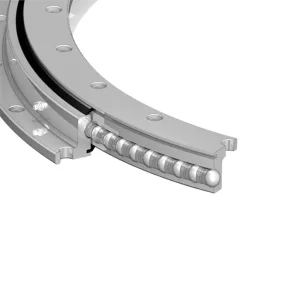
China Factory Suppliers of External Gear Type Horizontal Rotary Drive Unit for Efficient Motion Control

,

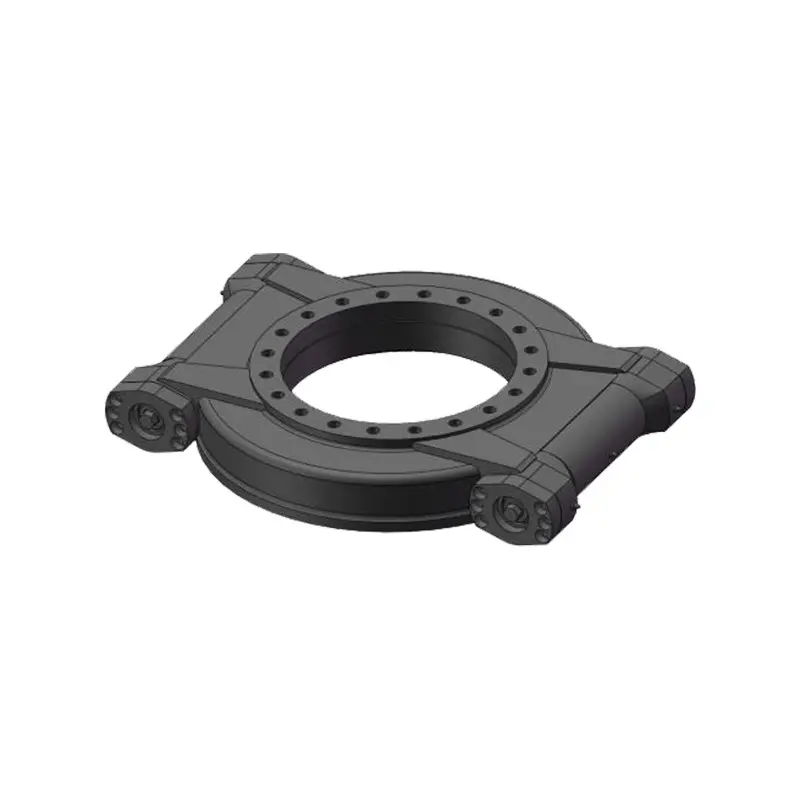
The external gear type horizontal rotary drive unit, often known as a rotary reducer or rotary gearbox, is a cutting-edge electromechanical actuating module designed for optimal performance. This product uniquely combines an external gear rotary bearing with a horizontally mounted drive motor and reducer. Key features include:

,

Vertical Output Axis: The device’s output flange rotates around a vertical axis, providing efficient operational dynamics.

,

External Tooth Gear Type: The rotary bearing's outer ring is fitted with external gears, ensuring enhanced durability and performance.

,

Horizontal Drive Direction: The power input axis (motor) runs parallel to the output axis in a horizontal orientation, transmitting power to the smaller gear via a right-angle transmission, typically using a worm gear or bevel gear.

,

As a leading supplier and factory based in China, we ensure our rotary drive units meet the highest standards of quality and efficiency, making them ideal for various industrial applications.

,

Product Description

📋Load Parameters
This is a paragraph
This is a paragraph
This is a paragraph
This is a paragraph
💡Frequently Asked Questions
Q1What are load parameters and why are they important?
Load parameters define the specific limits and capabilities a system can handle. Understanding these parameters ensures operational safety, prevents structural failure, and optimizes performance efficiency.
Q2How are load parameters calculated?
They are calculated using standard engineering formulas that take into account material strength, safety coefficients, environmental conditions, and dynamic stress factors.
Q3What happens if the recommended load parameters are exceeded?
Exceeding these parameters can lead to mechanical strain, material fatigue, system failure, or unexpected safety hazards. It is critical to stay within the designated thresholds.
Q4Can load parameters change over time?
Yes, load parameters can shift due to material wear and tear, environmental aging, or changes in operating environments. Regular inspections are recommended to adjust safety baselines.
Q5Where can I find the specific load parameters for my setup?
Detailed load parameters are typically specified in the technical datasheets, user manuals, or physical specification labels provided with the equipment.

Related Products