China External Gear Type Horizontal Rotary Drive Unit - Suppliers & Factory for Rotary Reducers and Gearboxes

,

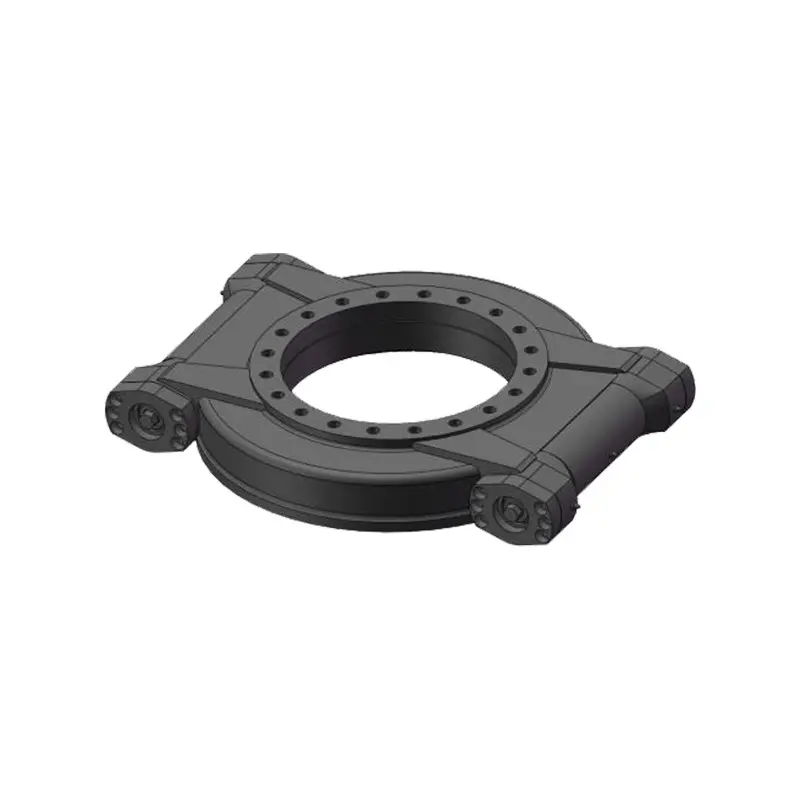
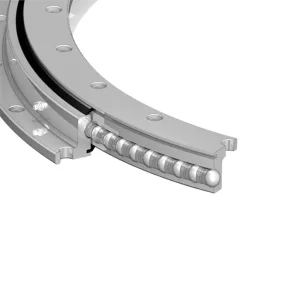
The external gear type horizontal rotary drive unit, commonly known as a rotary reducer or rotary gearbox, is a sophisticated electromechanical actuating module crafted by leading China suppliers. This innovative device seamlessly integrates an external gear rotary bearing with a horizontally-mounted drive motor and reducer. Key features include:

,

Vertical Output Axis: The output flange of this rotary gearbox rotates around a vertical axis, ensuring efficient operation.

,

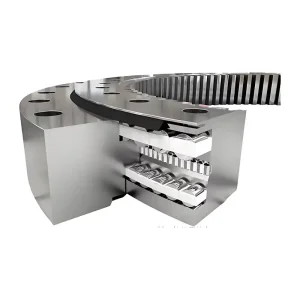
External Tooth Gear Type: This unit features an outer ring of the rotary bearing equipped with external gears, enhancing durability and performance.

,

Horizontal Drive Direction: The power input axis (motor) is aligned horizontally with the output axis, allowing for effective power transfer to the small gear through a right-angle transmission, which typically utilizes a worm gear or bevel gear configuration.

,

Designed and manufactured in a reliable factory, this horizontal rotary drive unit is ideal for various applications requiring precision and strength.

,

Product Description

Load Parameters

This is a paragraph
This is a paragraph
This is a paragraph
This is a paragraph

Frequently Asked Questions

What are load parameters?
Load parameters define the operational limits, capacities, and settings required for a system to function safely and efficiently under various workloads.
How do I configure load parameters?
Configuration varies by system, but generally involves accessing the system settings or configuration file and adjusting values to match your specific operational needs.
Why are load parameters important for system stability?
Properly set load parameters prevent system overload, optimize resource allocation, and ensure stable performance during peak usage times.
Can incorrect load parameters cause system failures?
Yes, setting parameters too high can cause crashes or overheating, while setting them too low may lead to underperformance or restricted access.
How often should I review my load parameters?
It is recommended to review load parameters periodically, especially after system updates, hardware upgrades, or significant changes in user traffic.
Where can I find the default values for these parameters?
Default values and safe operating ranges are typically documented in the system user manual or the developer configuration guide.

Related Products