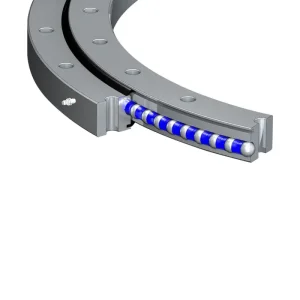
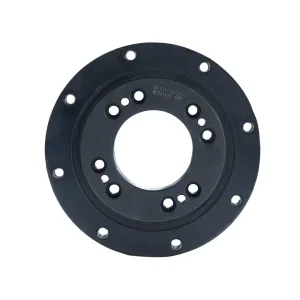
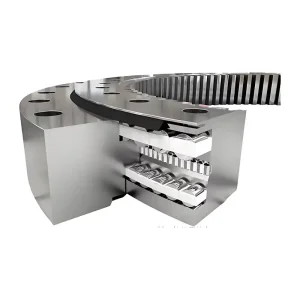
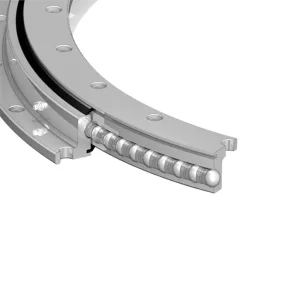
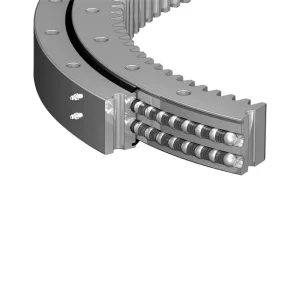
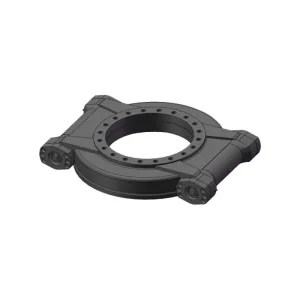
Explore our engineering portfolio of heavy-load slewing drives, L-shaped swivel bearings, and cross-roller rotary supports optimized for CSP applications.
A Comprehensive Technical Whitepaper on Concentrating Solar Power Technologies and Slewing System Integration
As the global energy transition accelerates, Concentrating Solar Power (CSP) has emerged as an indispensable utility-scale technology. Unlike traditional Photovoltaic (PV) systems that convert sunlight directly to electricity, CSP utilizes mirrors or lenses to concentrate a large area of sunlight onto a receiver. The concentrated light is converted into high-temperature thermal energy, which is subsequently used to drive a steam turbine connected to an electrical generator.
The true commercial value of CSP lies in its integration with Thermal Energy Storage (TES)—typically utilizing molten salts. This permits CSP plants to dispatch electricity continuously, functioning as reliable baseload power even in the absence of direct sunlight. Globally, the operational capacity of CSP is expanding rapidly across the solar belt regions, including the Middle East and North Africa (MENA), Spain, the United States, Chile, and Northern China. The global demand focuses heavily on four primary system topologies: Parabolic Troughs, Solar Power Towers (Central Receiver Systems), Linear Fresnel Reflectors, and Parabolic Dish Systems. Each configuration demands highly specialized structural and mechanical sub-assemblies to achieve maximum thermal conversion efficiency.
In a CSP system, the concentration ratio can range from 30 to over 1,000 times the ambient solar irradiance. At these high concentration ratios, even a minor tracking deviation of a fraction of a degree can lead to a catastrophic drop in thermal output, or worse, localized thermal stress damage to the central receiver. To mitigate this risk, tracking systems must possess extreme accuracy and zero-tolerance structural rigidity.
This is where heavy-duty slewing bearings and high-torque rotary drives play a critical role. For heliostats (the thousands of dual-axis tracking mirrors surrounding a solar tower), single-row cross-roller or four-point contact ball slewing bearings are employed to support structural wind loads while executing micrometric adjustments in azimuth and elevation. A typical 100-megawatt solar tower installation might require 10,000 or more independent heliostats, each requiring a precise, low-backlash, and maintenance-free slewing system engineered to survive 25 to 30 years in brutal, dust-filled desert environments.
China has established itself as the global epicenter for the manufacture of critical solar and wind transmission components. Factories like Jiangsu Manchen Transmission Technology Co., Ltd. represent this manufacturing vanguard by combining advanced metallurgy with precision engineering workflows.
The efficiency advantages of Chinese CSP manufacturing and sourcing are built on four primary pillars:
The mechanical demands on CSP slewing drives differ dramatically based on localized geographical conditions:
High-Altitude Desert Projects (e.g., Qinghai-Tibet Plateau, Atacama Desert): These locations feature exceptional solar resource quality but present massive thermal fluctuations (ranging from -40°C to +50°C daily). Slewing systems must utilize low-temperature synthetic lubricants that retain structural viscosity and specialized sealing lips that prevent moisture intrusion during night condensation cycles.
Coastal Scrub and High-Wind Zones (e.g., Middle East, Mediterranean): High wind shears impose significant tilting moments on the heliostat structures. The slewing bearings must feature robust four-point ball contact paths or L-shaped configurations to absorb massive axial and radial dynamic forces simultaneously. Additionally, double-lip seals (such as FKM or NBR compounds) are employed to prevent fine silica particles from contaminating the internal grease reservoir, which would otherwise lead to premature abrasive wear.
The evolution of CSP is deeply tied to digital transformation and optimization. Key future development trends include:

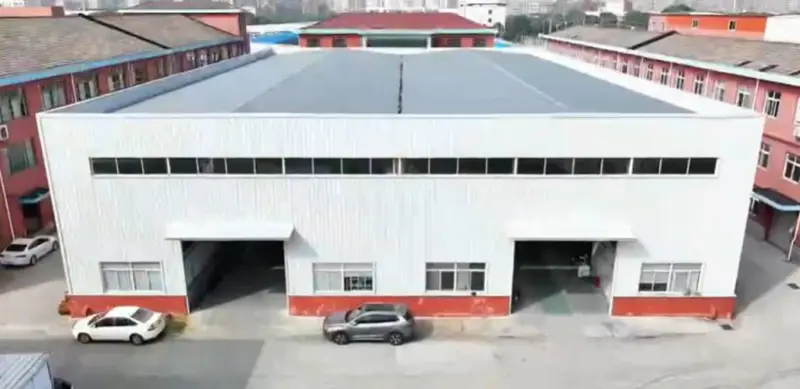
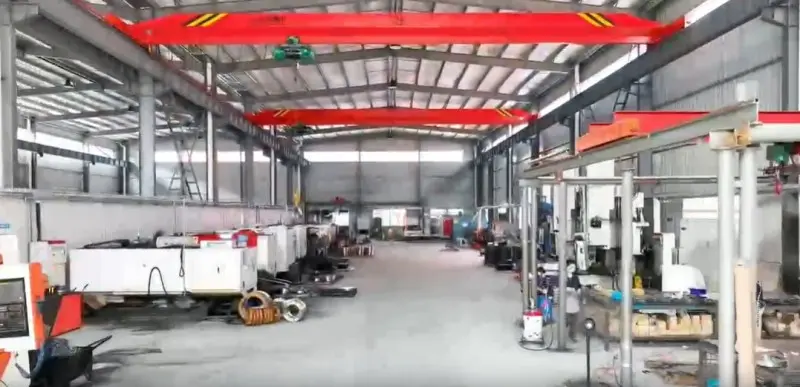
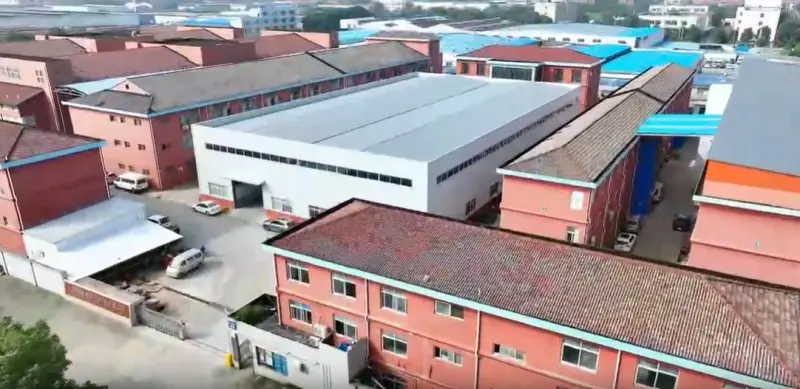
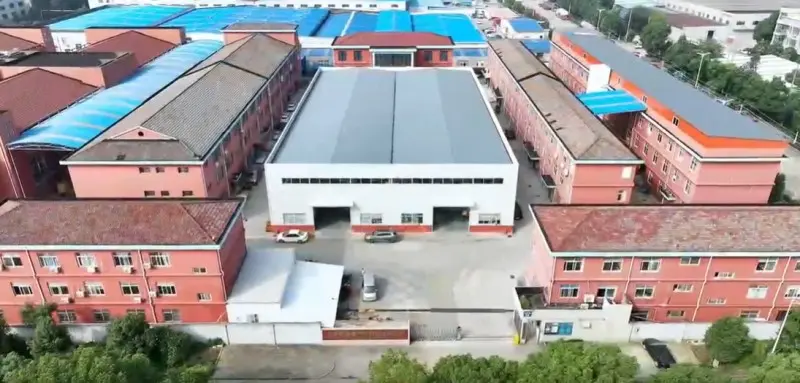
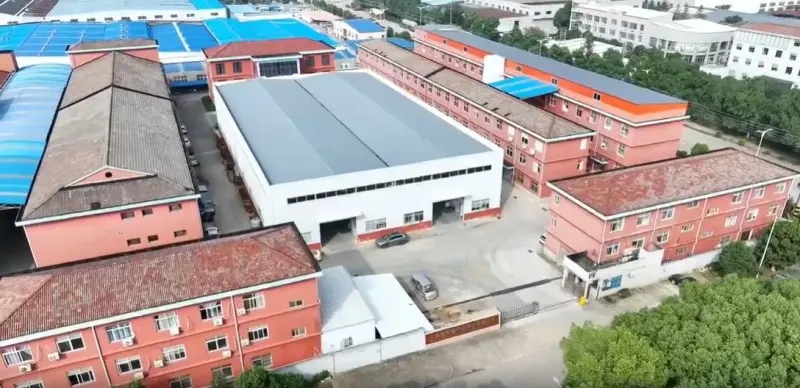
The company has always adhered to the business philosophy of "quality first, mutual cooperation and win-win", providing high-quality services and reliable products to both new and existing customers.
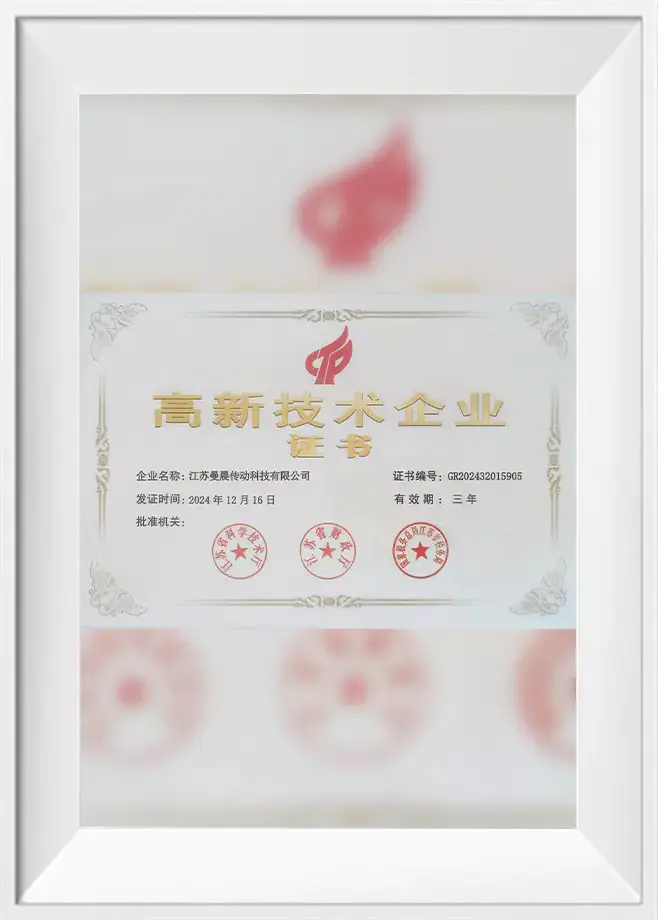
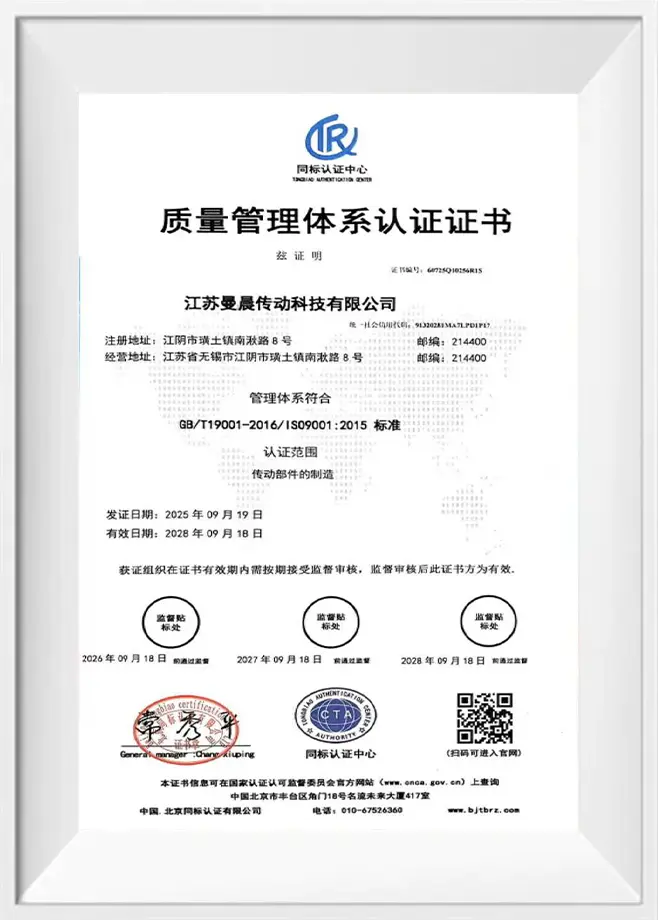
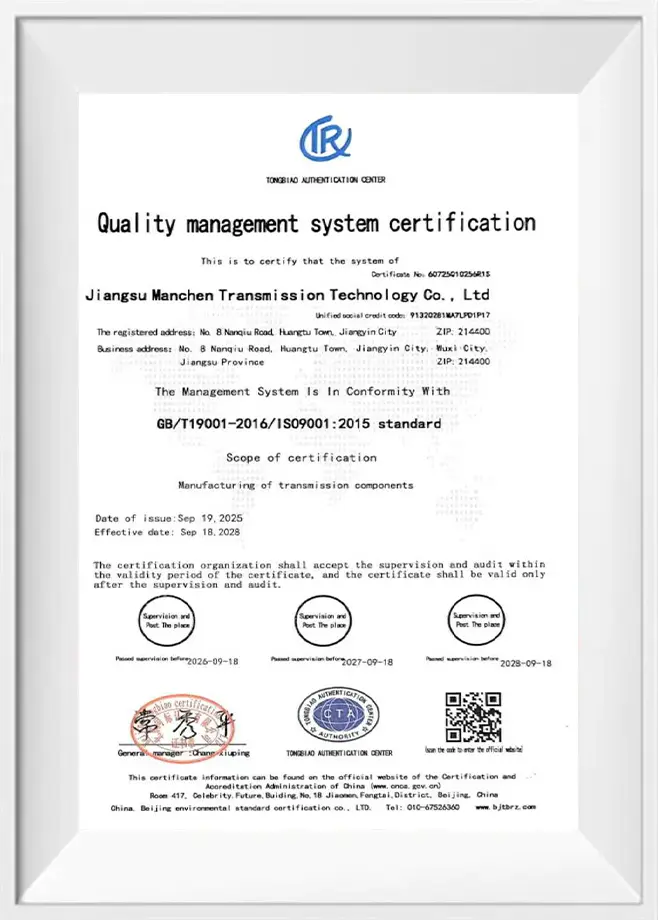
We provide customized design and technical support according to customer needs, helping partners achieve efficient and stable equipment operation. Below is our robust, vertically integrated manufacturing process.











Technical solutions and procurement queries answered by our chief application engineers.
Complete your design spec sheet with our range of high-torque external gear drives and double-row ball bearings.
In addition, we have established long-term cooperative relationships with many well-known domestic enterprises. With stable quality and complete after-sales services, we have won wide recognition in the market. In the future, the company will continue to focus on technological upgrading in the transmission field, and strive to provide global customers with higher-quality and more cost-effective rotary transmission products and services.
 Manchen Transmission