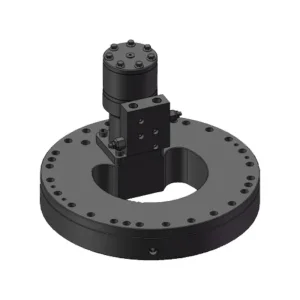
Explore our industrial-grade slewing bearings and high-precision horizontal rotary drives. These core tracking transmission components are optimized to resist extreme desert environments, wind shear stresses, and high axial loads.
The global transition to renewable energy has positioned Concentrated Solar Power (CSP) as a pivotal utility-scale electricity generation technology. Unlike photovoltaic (PV) systems, CSP utilizes mirrors or lenses to concentrate a large area of sunlight onto a receiver. This thermal energy is captured and often stored in molten salt systems, permitting continuous power generation even when the sun is not shining. To extract the maximum Direct Normal Irradiance (DNI), a CSP plant requires exceptionally precise, dual-axis or single-axis solar tracking mechanisms.
For EPC (Engineering, Procurement, and Construction) contractors, solar project developers, and utility operators, procurement decisions are heavily anchored in reliability, durability, and minimal Levelized Cost of Energy (LCOE). Tracking drive failures in a parabolic trough or heliostat field directly result in catastrophic yield loss. Consequently, modern global procurement mandates tracking systems built with premium-grade slewing bearings and horizontal rotary drives that can endure wind load gusts up to 130 km/h, temperature variations ranging from -30°C to +70°C, and sandstorm abrasion in desert environments like the MENA region, Western China, and Southwestern USA.
We solve these structural challenges by supplying slewing bearings and gearboxes built from certified high-strength steel forgings. Our gear tooth geometries are induction hardened to optimize wear resistance, while our double-lip seal systems prevent the ingress of fine particulate matter, keeping maintenance cycles to an absolute minimum over a projected 25-to-30-year lifecycle.

Providing specialized rotational components across the four primary Concentrated Solar Power (CSP) technological architectures, ensuring maximum thermal collection efficiency.
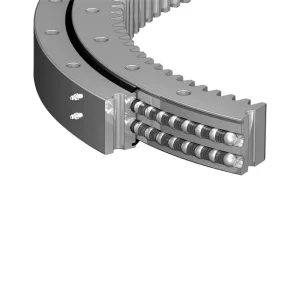
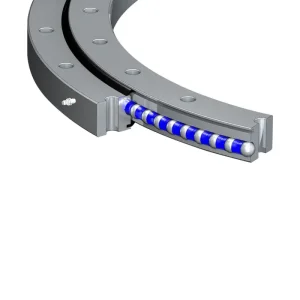
Heliostat fields demand dual-axis azimuth-elevation slewing drives capable of angular accuracy within ±0.1° to concentrate solar rays onto a central receiver tower. Our internal gear double-row ball-type swivel bearings deliver high tilt moment torque and zero-backlash options to ensure precise targeting.
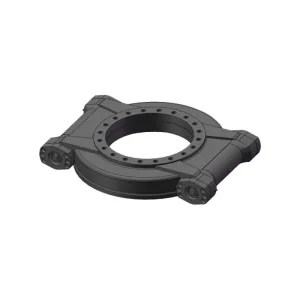
Parabolic troughs track the sun on a single axis (East-West). They utilize high-torque horizontal rotary drive units with external gear configurations. These drives must support extremely heavy structural frames, managing continuous high torsional loads and sudden aerodynamic drag from wind gusts.
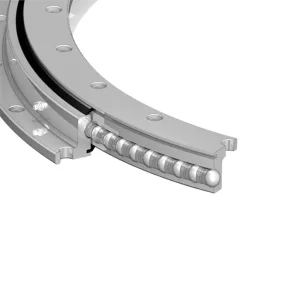
Linear Fresnel mirrors represent a cost-effective alternative to parabolic troughs, requiring compact, highly durable bearings. Our single-row L-shaped single-row ball slewing bearings offer robust axial load distribution, enabling flat mirrors to track effectively while keeping system profile heights minimal.
As the clean energy market matures, the engineering requirements for CSP tracking systems are rapidly shifting. To facilitate lower capital expenditures (CAPEX) and operating expenditures (OPEX), the next generation of slewing drives is undergoing major technological evolutions:
Jiangsu Manchen Transmission Technology Co., Ltd. is actively piloting these technologies. Through partnerships with universities and metallurgical labs, we continuously test new heat-treatment methods and roller geometry structures. Our long-term technical roadmap targets a 30% reduction in starting friction torque while increasing the dynamic static load capacities by 20% on all primary models.
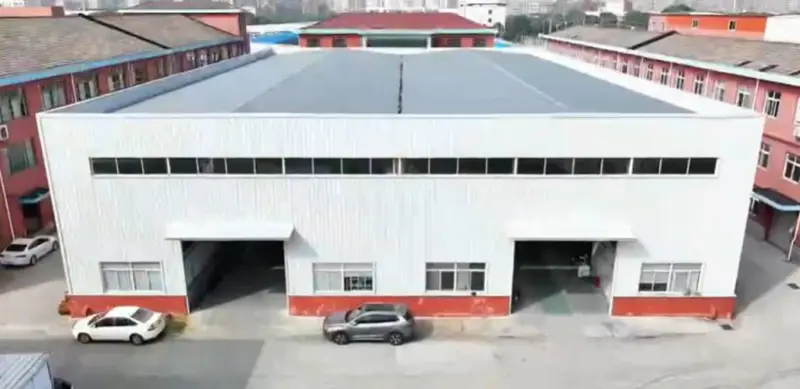
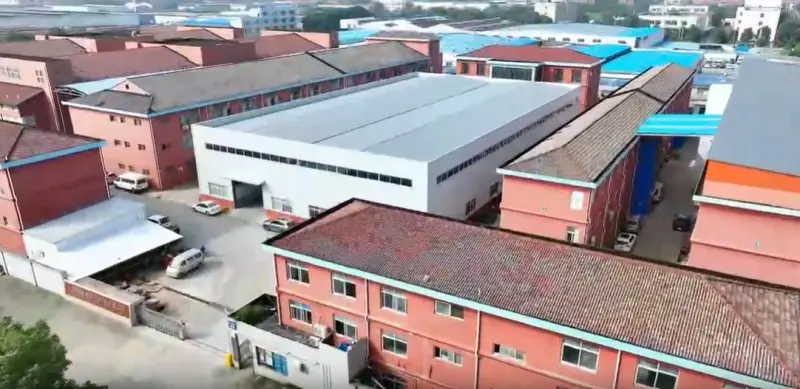
Established in 2022, Jiangsu Manchen Transmission Technology Co., Ltd. is a high-technology manufacturing enterprise integrating professional design, engineering research and development, precise fabrication, and global sales. We are located in Huangtu Town, Jiangyin City, Jiangsu Province, China—a region renowned for its advanced machinery manufacturing infrastructure, providing us with convenient logistic access to deepwater sea ports and international airports.
Our facility leverages state-of-the-art forging, heat-treatment, and high-precision CNC grinding machinery to provide heavy-load, high-strength, and long-life rotary transmission systems. Our products are widely utilized across construction machinery, industrial robotics, intelligent warehousing, environmental protection systems, port cranes, and specifically, the utility-scale photovoltaic and Concentrated Solar Power (CSP) sectors.
Equipped with advanced metrology laboratories, non-destructive testing (NDT) equipment, and a rigorous quality management system, we guarantee product traceability from raw steel sourcing to the final outgoing shipment. Operating under the guiding principles of "quality first, mutual cooperation", we support major global OEMs/ODMs in engineering robust tracking systems.
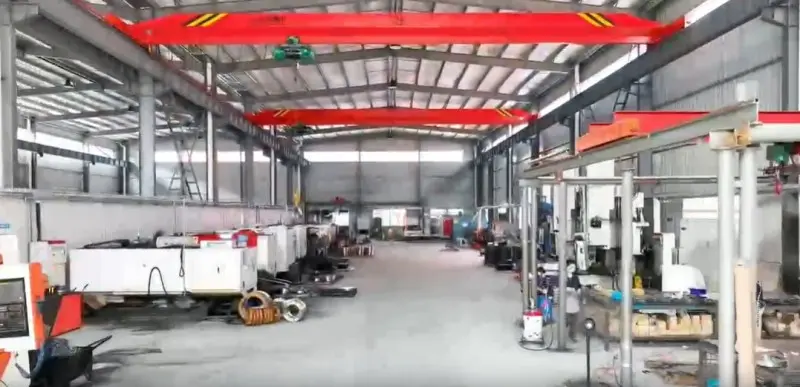
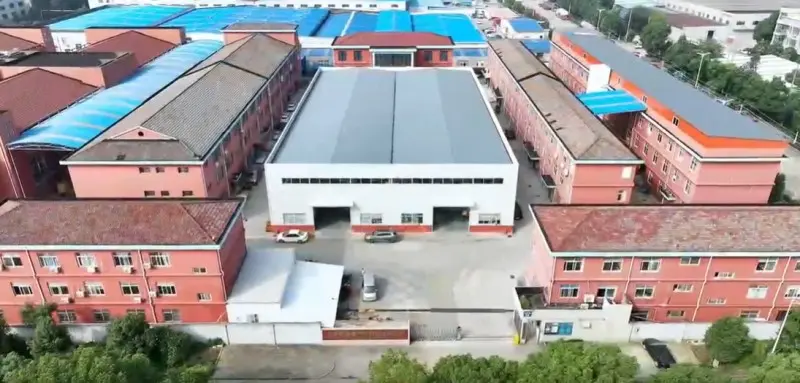
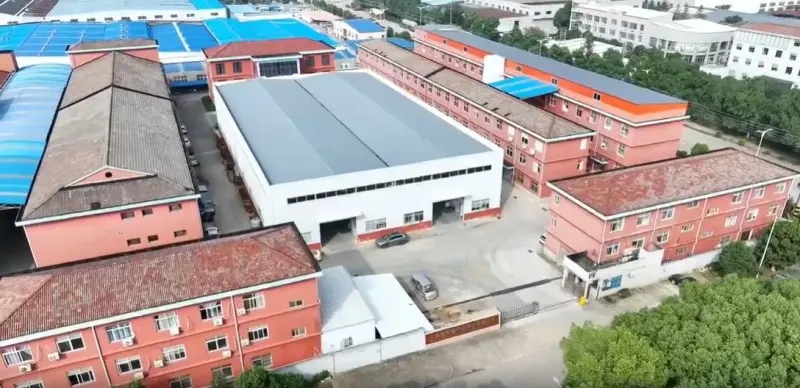
Our factory supports bespoke configurations tailored to specific wind load, gearbox ratio, dynamic rating, and dimensions requested by project engineers. Here is our 10-step precision engineering process:

We source certified structural alloy steels with full chemical analysis reports.

Ring rolling forging refines the internal metal grain structure for high load-bearing capacity.

CNC turning machines establish the initial dimension configuration of inner and outer rings.

Induction hardening of the raceway delivers optimal surface hardness and core toughness.

Fine-tuning dimensions to ensure precise clearances before final grinding.

Grinding ensures micro-inch finishes, minimizing friction coefficient and power loss.

Precision gear hobbing creates internal or external tooth configurations (spur/worm).

C5-M class anticorrosive phosphating, priming, and finishing paints are applied.

Integrating rolling elements, retaining cages, and heavy-duty dust seals.

Testing axial/radial runout, tooth profile, and vacuum packaging for shipping.
Operating a utility-scale solar project demands compliance with international industrial codes. Our manufacturing plant operates strictly under ISO 9001:2015 quality management systems, ISO 14001:2015 environmental compliance standards, and OHSAS 18001 safety regulations. This ensures that every product shipped meets the rigorous structural criteria of our global clients.
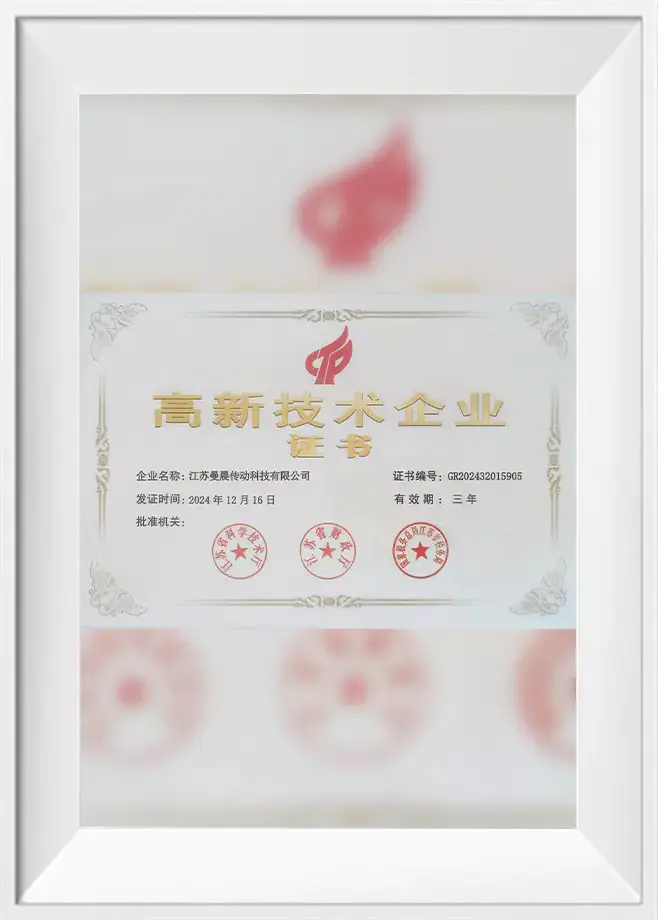
ISO 9001 QMS Certification
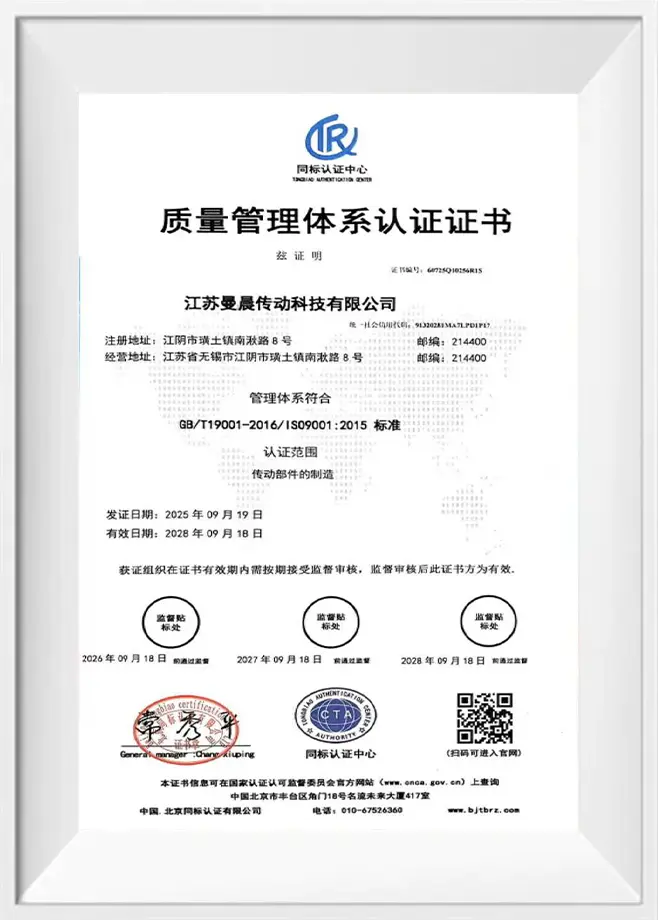
CE Directives Compliance
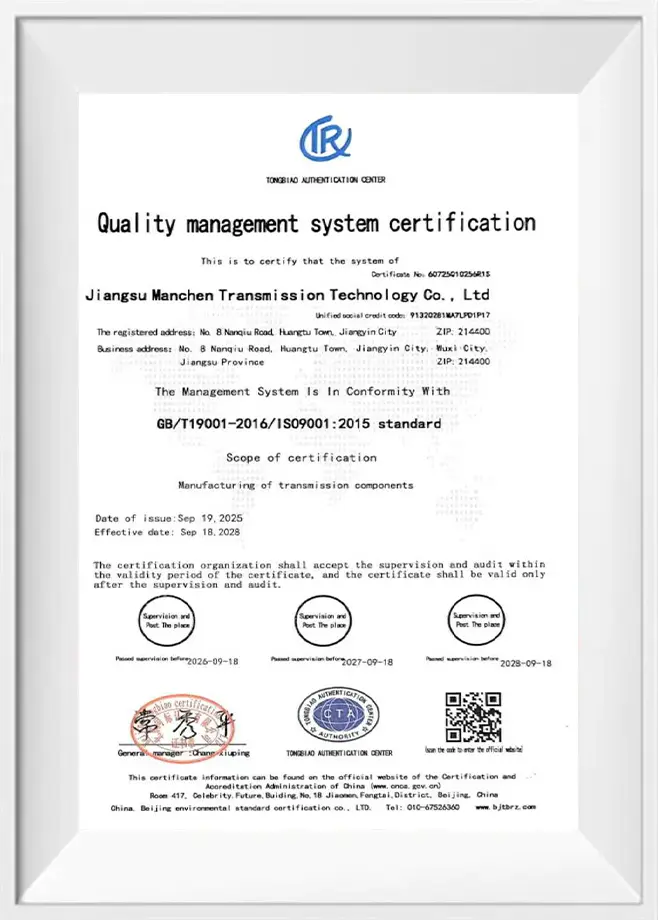
ISO 14001 & Health Safety Certification
To reduce downstream downtime, we offer comprehensive engineering consultation prior to purchase, running finite element analysis (FEA) to simulate wind loads and stress points on your specific heliostat or trough structure. Additionally, our global logistics network handles complete customs clearance documentation, guaranteeing DDP/CIF delivery to project sites in the Americas, Europe, Central Asia, and Africa.
Get professional, engineering-based answers to key structural questions regarding solar tracking and slewing drive operations.
Complete product offerings including three-row roller configurations, cross-roller precision systems, and customized L-type gear rings for unique engineering requirements.
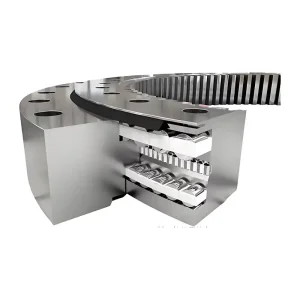
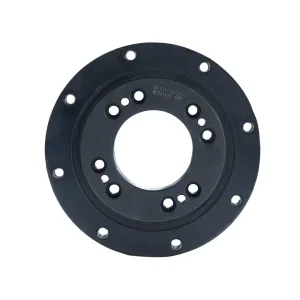
Connect with our expert application engineering team to request detailed step CAD files, structural analysis data, and competitive factory-direct quotes for your utility solar array projects.
 Manchen Transmission