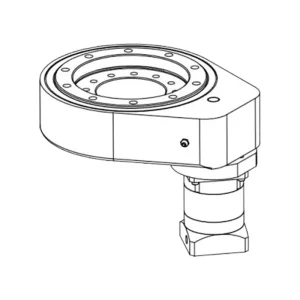
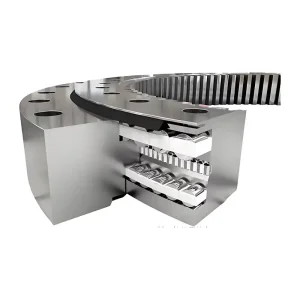
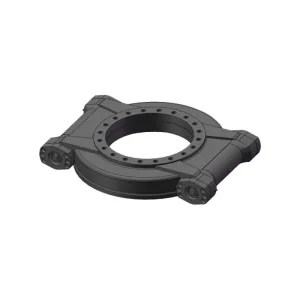
Explore our top industrial-grade slewing bearings and high-precision gear systems engineered to sustain the tracking loads of Concentrated Photovoltaic (CPV) systems.

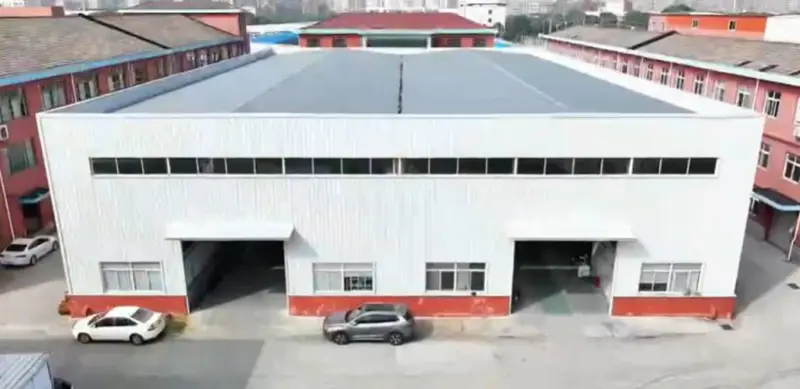
Established in 2022 and located in Huangtu Town, Jiangyin City, Jiangsu Province, our facility benefits from excellent transport networks and access to advanced regional manufacturing clusters. We are a professional manufacturing enterprise integrating design, research and development, fabrication, and comprehensive sales channels.
Relying on exquisite forging, heat treatment, and precision processing techniques, we provide high-load-bearing, high-strength, and long-life transmission solutions for construction machinery, medical equipment, intelligent warehousing, the photovoltaic industry, port machinery, industrial robots, and environmental protection equipment.
Equipped with state-of-the-art testing systems and an exhaustive quality control regime, we offer full traceability from raw material selection to delivery, complying with all prominent domestic and international standards.
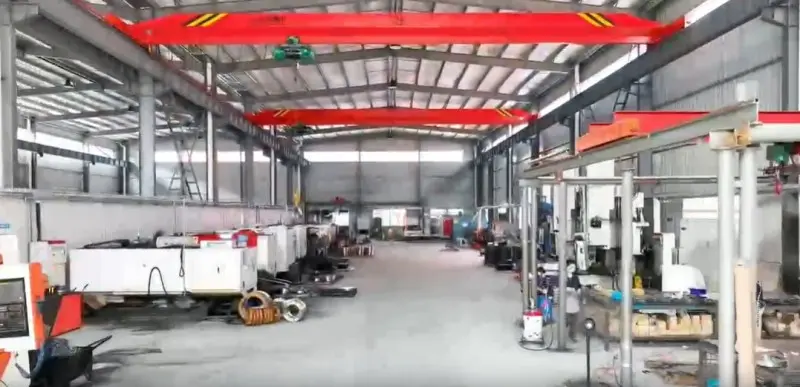
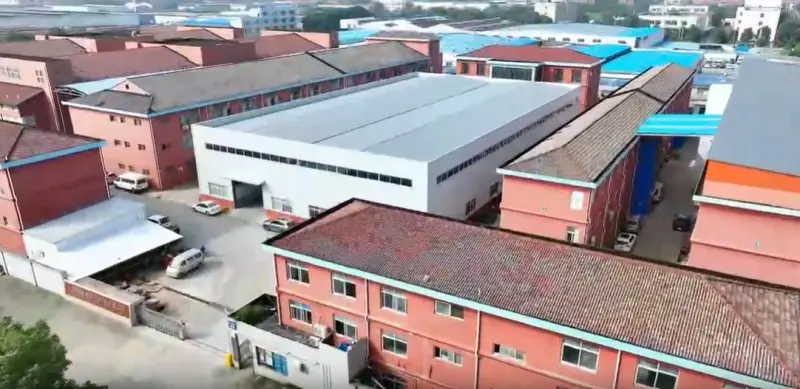
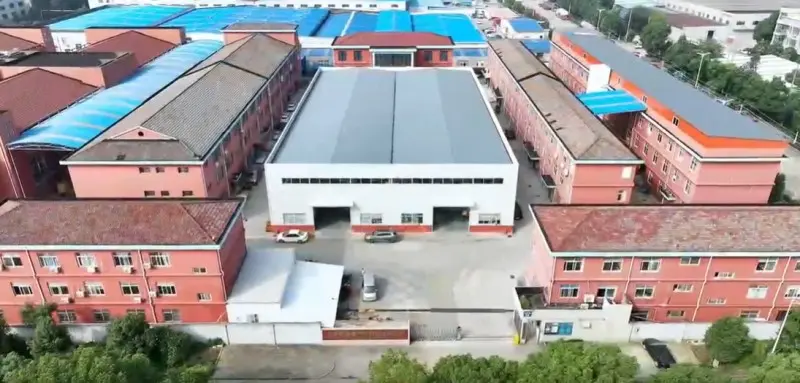
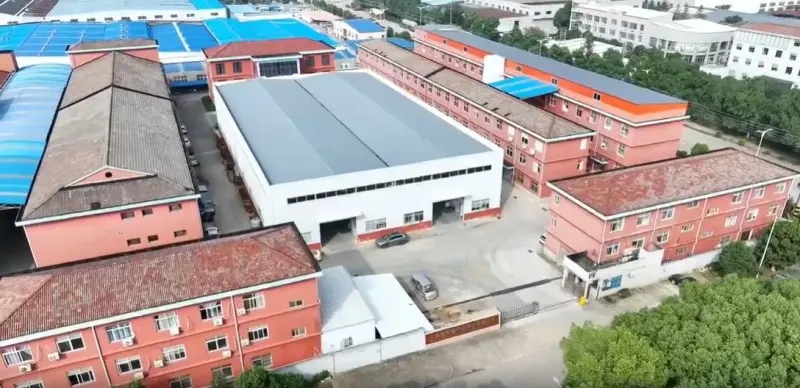
An in-depth analysis of high-precision slewing drives and bearing solutions driving the next generation of concentrated solar installations.
Large-scale utility solar projects in high-Direct Normal Irradiance (DNI) regions—such as the Middle East, North Africa (MENA), the Atacama Desert in Chile, and the Southwestern United States—increasingly rely on Concentrated Photovoltaic (CPV) panels to maximize yield. CPV technology, utilizing multi-junction solar cells under concentrated optical lenses, can exceed 40% efficiency. However, this efficiency depends heavily on tracking accuracy. Because CPV systems have acceptance angles of less than 0.5 degrees, even minimal deviations in tracking alignment cause significant losses in power output.
Enterprise procurement professionals and engineering, procurement, and construction (EPC) contractors must evaluate mechanical drive systems on strict parameters. These include structural stiffness, radial and axial load limits, and lifetime gear backlash (measured in arcminutes). Systems must operate reliably for over 25 years in harsh conditions. Modern procurement strategies shift from evaluating upfront component costs to assessing the total cost of ownership (TCO). High-quality slewing bearings with optimized heat treatment reduce downtime and maintenance costs in remote desert locations.
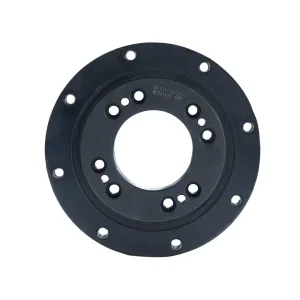
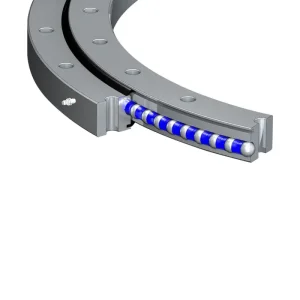
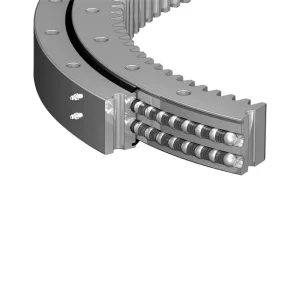
Integrating Concentrated Photovoltaic systems requires robust, grid-tied tracking solutions. Slewing drives must withstand heavy static and dynamic loads from crosswinds while maintaining sub-degree tracking precision. Our macro-level solutions combine advanced double-row four-point contact ball slewing bearings with high-ratio gear systems to optimize load distribution across the pitch and azimuth axes.
In regions prone to sandstorms and extreme temperature variations, standard slewing gears can experience accelerated wear. To address this, our customized transmission systems use specialized dust-proof seals, synthetic low-temperature greases, and surface coatings like zinc-nickel alloy plating. This ensures that the physical tracking system maintains alignment even during wind speeds exceeding 22 m/s, shifting safely to stow position in extreme storm conditions without compromising structural integrity.
Maximize power generation by keeping concentrated solar rays focused exactly on multi-junction photovoltaic targets via dual-axis tracking mechanics.
Sealed bearing designs with IP66-rated protection prevent ingress of sand, dust, moisture, and chemical agents in harsh desert and saline environments.
Advanced raceway induction hardening and precision gear grinding reduce wear, extending service life to over 25 years.
Innovations in metallurgy, surface treatment, and bearing geometry supporting solar tracker structures.
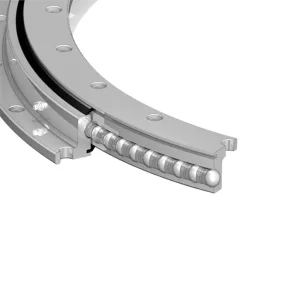
The transition from low-concentration photovoltaic systems to high-concentration systems (exceeding 500x solar concentration) shifts mechanical loads onto tracker pivots. To handle these forces, we construct our single-row cross-roller bearings and double-row equal-diameter four-point contact ball swivel bearings using high-purity alloy steels, such as 50Mn and 42CrMo. Through precise heat treatment and surface hardening, these materials are optimized to resist overturning moments, axial loads, and radial shear stresses.
Finite Element Analysis (FEA) guides our product design, enabling us to model stress distribution along the raceway contact points under extreme wind conditions. This allows us to optimize gear geometry, control tooth root stresses, and prevent premature fatigue failure in the field.
As solar trackers grow to accommodate larger panel arrays, the demands on bearing tolerances become more stringent. The industry roadmap points toward smart slewing drives integrated with real-time health-monitoring sensors. These sensors track temperature fluctuations, grease degradation, and vibration changes to predict maintenance needs before failures occur. Our production line incorporates CNC grinding and precision gear shaper machines to manufacture components with minimal backlash, supporting the high angular tracking accuracy required for modern solar plants.
Our advanced manufacturing workflow incorporates rigorous controls at every phase, from raw material procurement to final delivery verification.
 01
01
 02
02
 03
03
 04
04
 05
05
 06
06
 07
07
 08
08
 09
09
 10
10
We adhere strictly to our business philosophy of "quality first, mutual cooperation, and win-win," providing reliable, standardized products backed by international certification.

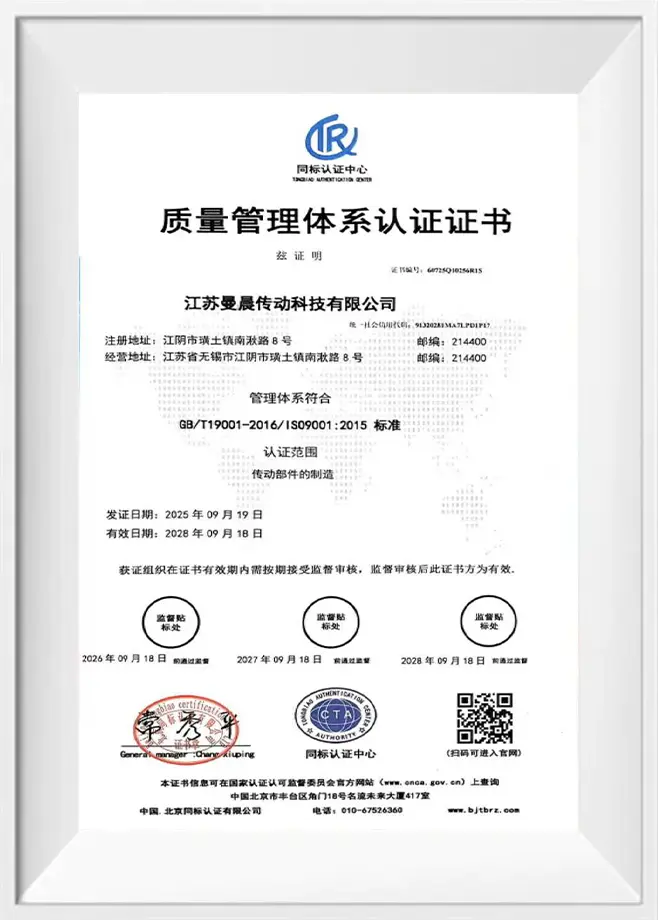
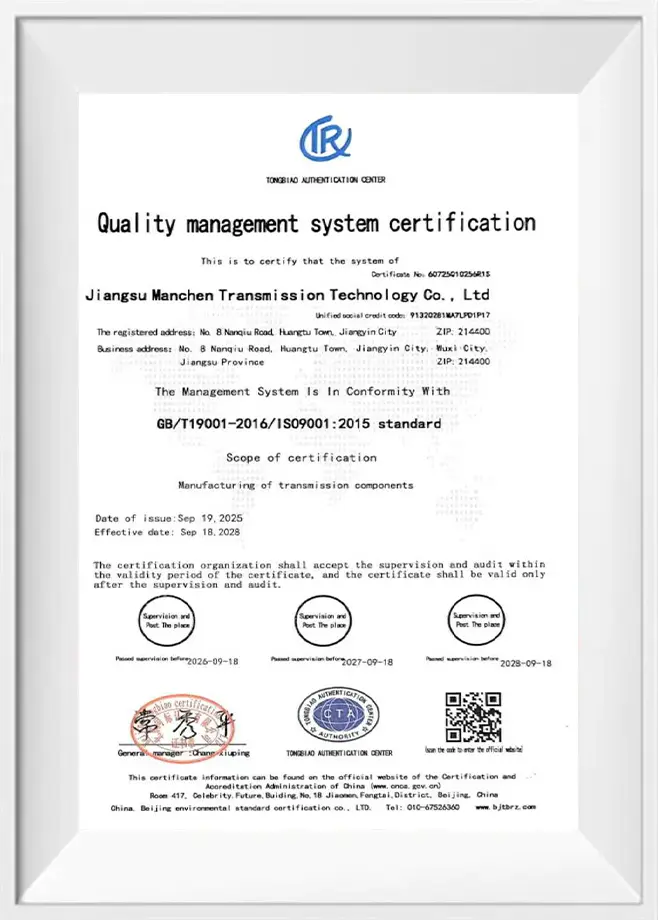
How we ensure global compliance, regulatory alignment, and regional technical support for international solar energy developers.
Deploying energy infrastructure requires alignment with local regulations. Our manufacturing systems comply with ISO 9001:2015 quality frameworks, establishing documented quality controls at every production step. From steel heat logs to UT (Ultrasonic Testing) defect identification in forgings, we ensure every component meets high standards before shipping.
For systems integrated into utility-scale solar farms in Europe, North America, and APAC, we align with CE guidelines, EN standards, and ASTM materials criteria. We also collaborate with third-party testing agencies (such as SGS or TÜV) to verify that our slewing drives meet design specifications under simulated load conditions, protecting your system's long-term capital valuation.
Our commitment extends beyond delivery. We coordinate closely with developers, EPC firms, and O&M specialists to integrate structural components into tracker control systems. We supply 3D CAD files, FEA loading curves, and installation guidance to streamline engineering integrations. Additionally, our regional service partners offer support for commissioning, scheduled torque checks, and lubricant sampling to maximize tracking uptime.
Expert technical answers regarding slewing drives, load ratings, and custom manufacturing capabilities.
Select from our engineering line-up designed for industrial, municipal, and alternative energy deployments globally.
In addition, we have established long-term cooperative relationships with many well-known domestic enterprises. With stable quality and complete after-sales services, we have won wide recognition in the market. In the future, the company will continue to focus on technological upgrading in the transmission field, and strive to provide global customers with higher-quality and more cost-effective rotary transmission products and services.
 Manchen Transmission