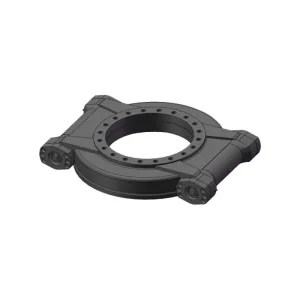
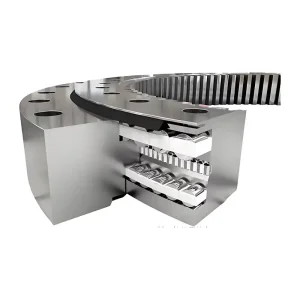
Explore our highly engineered slewing solutions designed to endure severe dynamic winds and constant rotational motion in solar tracker fields.

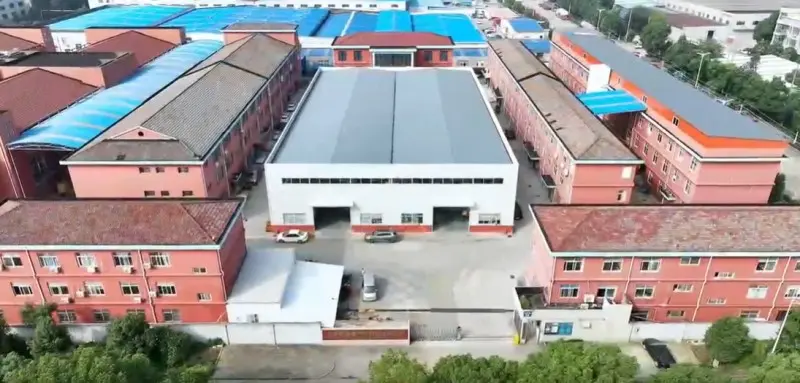
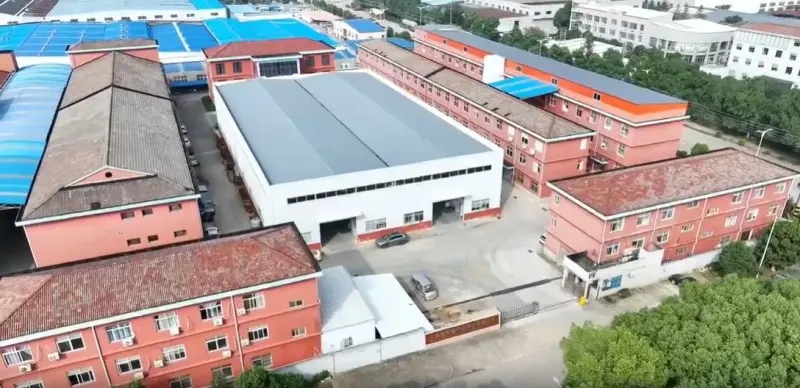
Established in 2022, Jiangsu Manchen Transmission Technology Co., Ltd. is an industry-leading manufacturing enterprise specializing in the design, research, development, and execution of high-end mechanical transmission systems. Located in Huangtu Town, Jiangyin City, Jiangsu Province, we leverage premium regional steel resources, a state-of-the-art forging ecosystem, and world-class shipping logistics.
Equipped with mature, advanced precision-processing machinery, specialized heat-treatment lines, and comprehensive metrology labs, we deliver robust rotary solutions. Our slewing bearings and horizontal drive systems are engineered to withstand axial forces, radial loads, and massive tilting moments in the most demanding industries, including construction machinery, automated warehousing, wind power, port operations, industrial robotics, and utility-scale Concentrated Solar Power (CSP) and solar tracking arrays.
Addressing the key mechanical challenges faced by utility solar developers, EPCs, and tracker OEMs in harsh field environments.
Modern CSP plants and tracking arrays are often built in arid, high-radiation regions like the Middle East, North Africa (MENA), and western China. Components must endure sandstorms, UV degradation, and temperatures from -40°C to +60°C. Heavy-duty dual-lip polyurethane seals and C5-M high-durability coatings prevent dust ingress and premature wear.
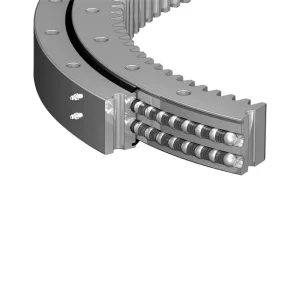
In high winds, solar trackers act as sails, placing immense twisting and tilting forces on the central drive unit. Procurement teams prioritize double-row four-point contact ball slewing bearings and cross-roller slewing systems, which support large axial loads and high holding torque, preventing mechanical failure during wind gusts.
Concentrated Solar Power (CSP) systems require high accuracy to focus sunlight onto receiver tubes or central towers. Drive systems must maintain low backlash (under 0.05 degrees). Precision gear tooth grinding and custom preloading of bearings ensure steady, accurate tracker motion for optimal energy production.
Replacing failed tracker parts in remote locations is costly. Procurement specs call for high-grade steels (50Mn or 42CrMo), deep induction hardening of raceways, and long-life lubricants. These features minimize maintenance downtime and lower the overall levelized cost of energy (LCOE).
Every solar tracker manufacturer uses different structural columns and motor interfaces. Solar project developers need a supplier who can customize drive shaft sizes, input gears, and casing designs without sacrificing quality or extending delivery timelines.
With large utility-scale projects requiring thousands of tracking units, logistics delays can impact profitability. Industrial sourcing requires manufacturers with automated machining setups, reliable local raw material supply chains, and robust quality control documentation.
A technical guide to implementing modern rotary drive systems in Concentrated Solar Power (CSP) and Photovoltaic (PV) installations.
Concentrated Solar Power (CSP) systems rely on continuous, precise tracking to focus sunlight onto small target areas. Whether using parabolic troughs, linear Fresnel reflectors, or large heliostat mirrors, solar tracking precision is key to project efficiency. The rotary drive system is the core component that enables this accuracy, operating under heavy mechanical stress and harsh environmental conditions.
Engineering Solutions for Trackers and CSP Arrays:
To meet these requirements, manufacturers are replacing standard ball bearings with specialized slewing configurations. The Double-Row Equal-Diameter Four-Point Contact Ball Swivel Bearing is commonly used in central tower CSP heliostats. Its design provides two points of contact per ball across two independent tracks, distributing radial forces and tilting moments to prevent gear binding.
For horizontal single-axis solar trackers, Internal Gear Horizontal Rotary Drive Devices provide a compact, enclosed solution. Enclosing the gear set protects it from windblown sand, moisture, and debris. Integrated gearboxes can be fitted with direct-current motors or stepper actuators, allowing the tracking system to adjust dynamically to the sun's position.
The Technical Roadmap and Future Outlook:
The solar tracker market is moving toward smart, high-performance systems. The next generation of slewing drives will feature integrated IoT sensors to monitor oil condition, structural vibration, and gear play in real time. This allows operations teams to perform predictive maintenance before a part fails. Additionally, advanced surface treatments, such as zinc-nickel electroplating and specialized thermal spraying, are replacing standard coatings. This ensures long-term corrosion protection in coastal regions and salt flats.
Step-by-step production stages showing our commitment to manufacturing precision and quality control.










Our ISO 9001 certified manufacturing plant meets international quality standards for safety and performance.
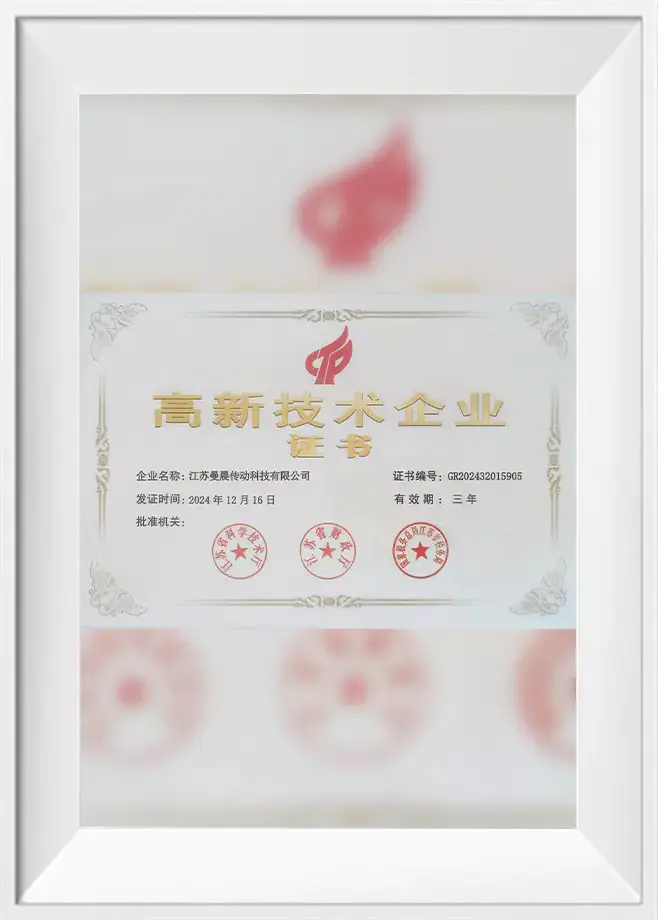
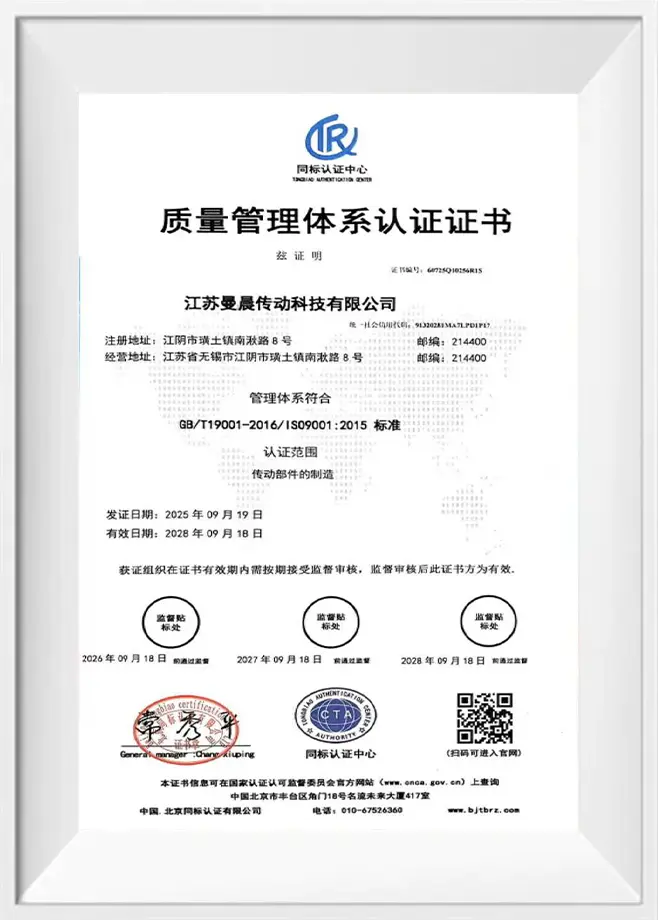
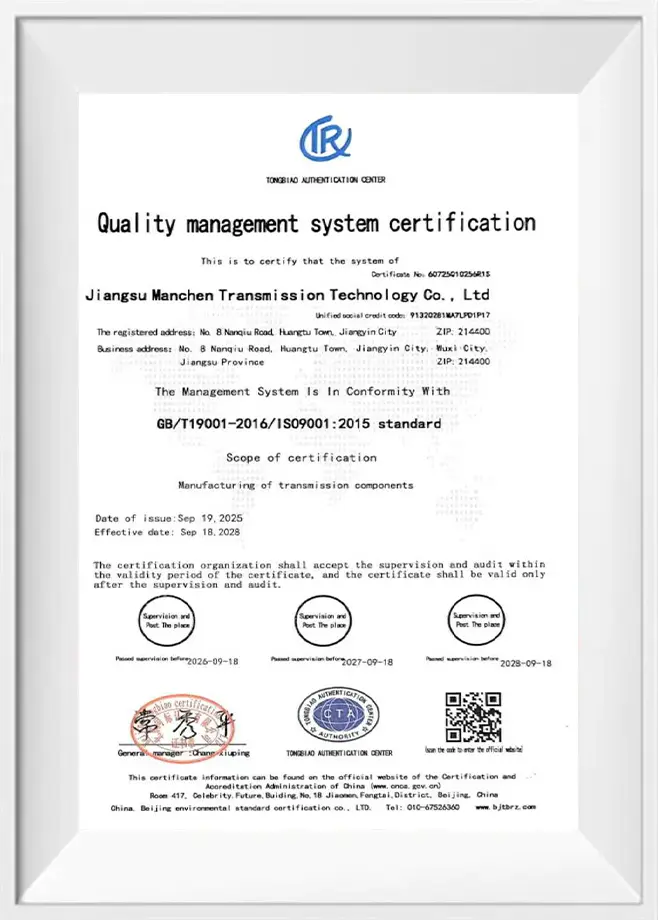
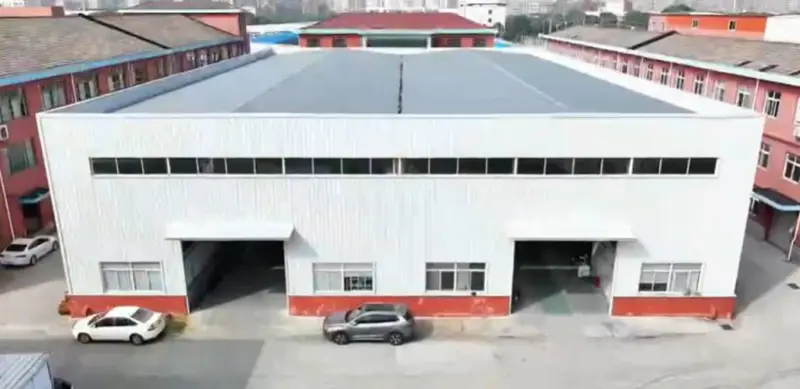
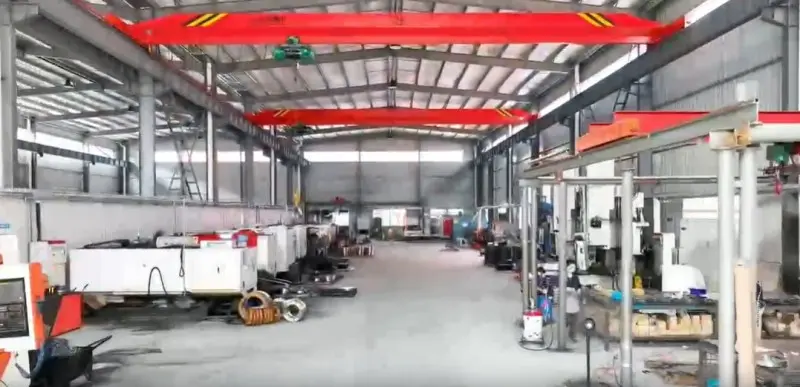
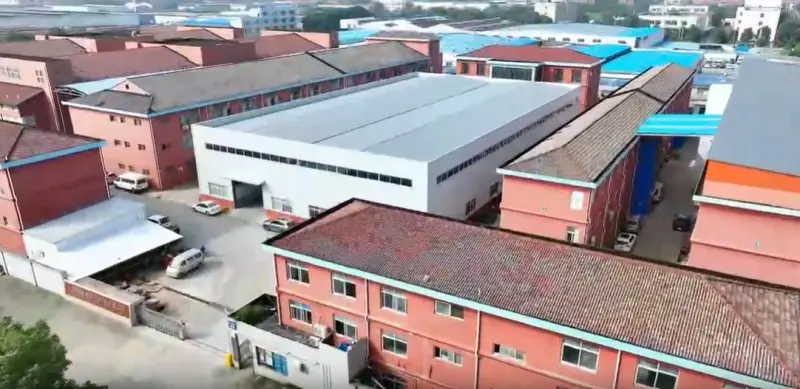
Ensuring smooth customs clearance, strict engineering compliance, and reliable logistics for global solar installations.
Deploying mechanical components across different countries requires compliance with local standards and testing protocols. As an ODM and OEM partner, Jiangsu Manchen Transmission ensures all structural slewing bearings and gear drives meet international quality and safety certifications.
Our raw materials are sourced with full mill certification (compliant with EN 10204 3.1 standards). Our welding, non-destructive testing (NDT), and coating procedures are designed to meet American (ANSI/AISC) and European (EN 1993 / Eurocode 3) structural engineering codes, ensuring seamless integration into trackers globally.
Through our global logistics partners, we offer optimized shipping and delivery services to project sites in North America, South America, the Middle East, and Europe. This minimizes risk and keeps utility-scale solar construction projects on schedule.
Get answers to common technical and procurement questions about solar tracking and Concentrated Solar Power (CSP) components.
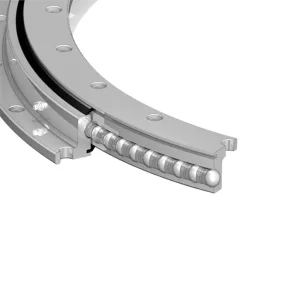
Single-Row Cross-Roller Slewing Bearings use cylindrical rollers arranged crosswise at 90-degree angles. This design provides high stiffness and handles axial, radial, and tilting moment loads simultaneously. It is ideal for systems that require high precision and low backlash, such as Concentrated Solar Power (CSP) heliostats.
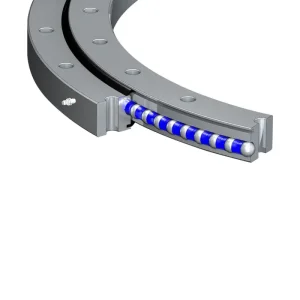
Double-Row Equal-Diameter Four-Point Contact Ball Swivel Bearings feature two parallel ball tracks. This design distributes heavy loads over a larger surface area, making it ideal for large utility-scale photovoltaic tracking systems that experience high wind forces.
Our enclosed horizontal rotary drive units are sealed to IP65/IP66 standards using double-lip synthetic rubber or polyurethane seals. The casing is filled with high-grade, wide-temperature grease to prevent dust ingress and water damage. In gearless or open-gear designs, we apply specialized anti-wear coatings and protective covers to safeguard the gear teeth.
We use high-grade structural steels like 50Mn and 42CrMo. The bearing raceways undergo induction hardening to achieve a surface hardness of 55–62 HRC. We verify the hardness depth (typically 3mm to 5mm depending on the bearing size) using ultrasonic testing and destructive macro-etch examinations on sample pieces from each production batch.
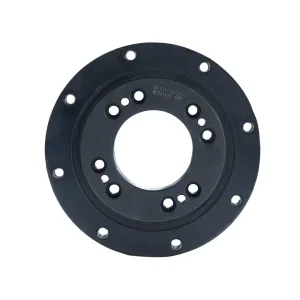
Yes. Our ODM and OEM services allow us to customize the input shaft, mounting holes, and adapter flanges to fit your preferred DC, AC, or stepper motor. We provide full CAD and 3D modeling validation during the design phase to ensure a precise fit.
We test our designs using finite element analysis (FEA) to simulate 25 years of operational cycles, wind loads, and thermal stress. Physical testing in our quality labs validates these models, ensuring our components deliver long-term reliability in the field.
Explore our second selection of high-load bearings and rotary drive gearboxes for utility-scale solar tracker projects.
 Manchen Transmission