Explore our primary selection of heavy-duty, high overturning moment resistance single-row, double-row, and gearless slewing bearings optimized for Concentrating Solar Power (CSP) systems.
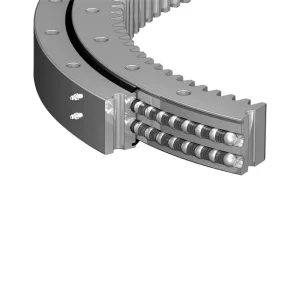
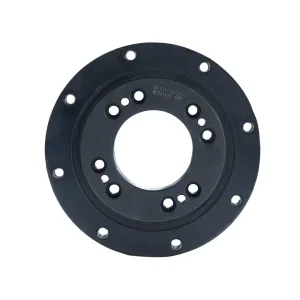
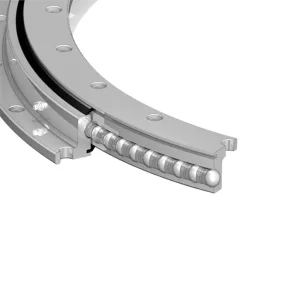
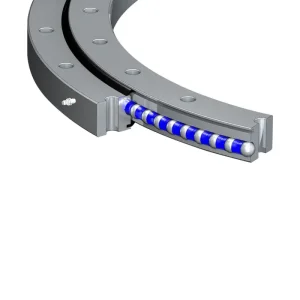
Concentrating Solar Power (CSP) systems represent the pinnacle of utility-scale renewable energy production, leveraging optical arrays to focus vast swathes of sunlight onto thermal receivers. Unlike traditional photovoltaic systems, CSP technology stores energy in the form of thermal heat (often utilizing molten salts), which is subsequently used to drive steam turbines. This mechanism ensures consistent electricity generation, bridging the dispatchability gap during non-solar hours. However, the operational success of CSP systems depends entirely on the precision and tracking reliability of the heliostat fields, parabolic troughs, or linear Fresnel arrays.
To capture maximum solar flux, heliostats must continuously adjust their pitch and azimuth angles with milliradian accuracy. This delicate operation is constantly challenged by environmental factors such as wind load gusts, extreme temperature shifts, and abrasive desert sands. As a pioneering manufacturer of heavy-duty transmission components, Jiangsu Manchen Transmission Technology Co., Ltd. designs and fabricates state-of-the-art slewing bearings and rotary drives. These components form the structural and operational pivot point of CSP trackers, guaranteeing long-term rotational accuracy, minimal backlash, and extreme overturning moment resistance.
Dual-Axis Tracking Accuracy: Heliostat systems require tracking errors of less than 1-2 mrad to maintain solar focus on the central tower receiver. Our internal gear and gearless single-row ball-type swivel bearings are engineered specifically to eliminate tracking deviation.
Overturning Moment Capacity: Huge reflective mirror structures act as giant sails under high wind speeds. Bearing structures must withstand immense dynamic forces without warping or suffering cage damage.
Ingress Protection: Typical CSP environments are characterized by high dust levels. Specialized sealing technologies (IP65/IP66 class) protect critical internal ball raceways and lubricants from abrasive particulate contamination.
Developing transmission systems for CSP trackers demands an intimate understanding of tribology, material science, and structural dynamics. Below, we break down the engineering configurations that define our high-performance CSP product line.
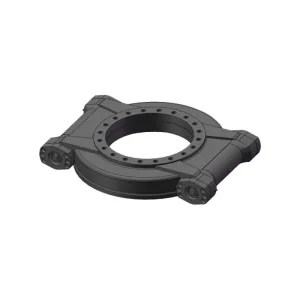
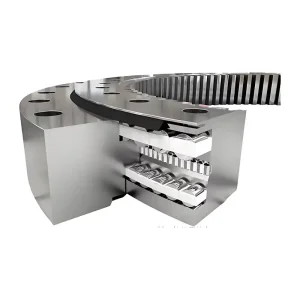
The choice between single-row four-point contact ball bearings and double-row or cross-roller variations is dictated by the structural payload of the solar concentrator array. Double-row equal-diameter four-point contact ball designs distribute axial loads and overturning moments across two distinct raceways. This reduces contact stress and prevents local structural deformation. For solar towers utilizing massive heliostats (often exceeding 100m² of surface area), three-row cylindrical roller slewing bearings provide the maximum load-bearing capability. They absorb severe dynamic wind loads while keeping deflection within limits.
We supply internal gear, external gear, and gearless rotary bearings. Internal gearing protects the meshing teeth from foreign objects and debris, while also saving valuable spatial volume in compact designs. Conversely, external gearing offers easier maintenance accessibility. Precision gear tooth grinding and heat treatment are standard at Manchen. This controls gear backlash, which is crucial for reducing tracking oscillation in gusty winds. Our manufacturing processes limit backlash to minimal margins, preserving the optical efficiency of the entire reflector array.
Desert settings present an operational challenge: intense UV exposure, daytime metal expansion, nighttime contraction, and fine silica dust. If dust penetrates the raceways, it acts as an abrasive, grinding down the rollers or balls and destroying tracking accuracy. Our bearings employ custom synthetic elastomer seals that retain elasticity across a wide temperature range. To complement these seals, we utilize high-performance, high-viscosity synthetic greases. These maintain their lubricating properties under heavy loads and temperatures without leaking, extending service life to over 25 years.
EPC contractors and project developers face strict performance metrics and lifetime warranty requirements. The procurement of key components like tracking slewing drives has shifted toward long-term total cost of ownership (TCO) optimization.
The global CSP landscape is shifting toward larger optical apertures. In solar towers, single heliostat sizes have increased to capture more light, requiring stronger mechanical mounts. In parabolic trough projects, loop lengths are expanding to minimize hydraulic fluid loops. These changes place higher mechanical demands on swivel bearings. Larger structures increase the moment arm of wind forces, requiring robust bearings that resist structural warping and localized fatigue.
Our dual-row ball and three-row roller bearings adapt to this scale shift. They allow engineers to design larger heliostat structures, reducing the total count of individual tracking components. This approach lowers installation labor costs, decreases electrical routing complexity, and reduces long-term field maintenance costs.
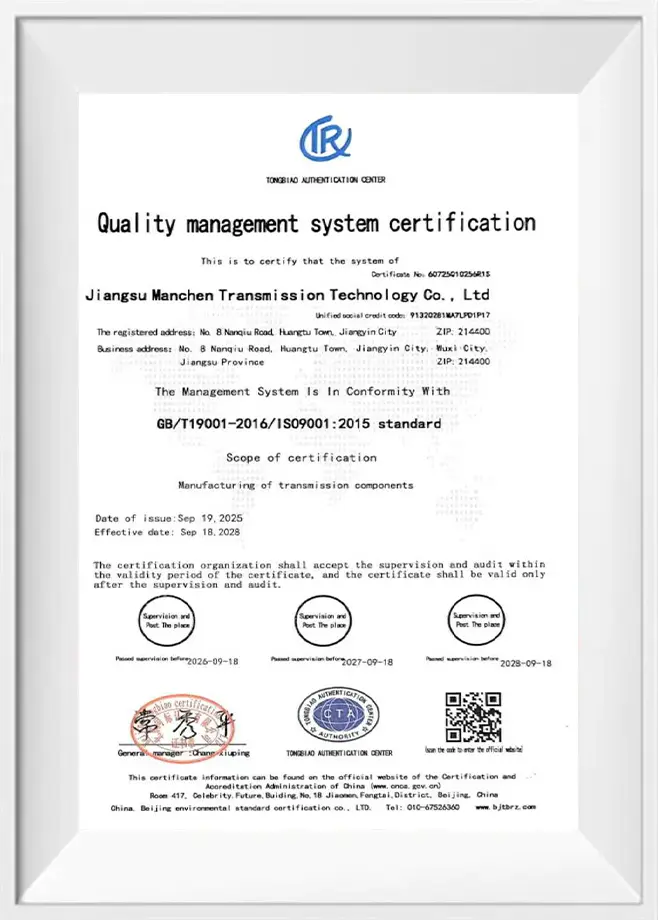
Large-scale solar installations require components that meet global standards. We focus on complete traceability, starting with the raw materials. Steel forgings undergo ultrasonic testing to detect internal defects before machining. Induction hardening is carefully monitored to achieve the required hardness depth in the raceway. These rigorous processes ensure our bearings comply with international mechanical, environmental, and safety standards, satisfying quality auditors and project financiers.

Established in 2022, Jiangsu Manchen Transmission Technology Co., Ltd. is a specialized manufacturer integrating technical design, research and development, precision manufacturing, and international sales. Located in Huangtu Town, Jiangyin City, Jiangsu Province, our facility benefits from transport links that streamline global logistics.
Relying on advanced forging, heat treatment, and precision machining, we supply high-load, high-strength, and long-life transmission solutions. Beyond the solar sector, our products serve construction machinery, medical systems, automated warehousing, port equipment, industrial robotics, and environmental systems. Our facility features advanced quality control systems, ensuring traceability from raw material selection to final delivery.
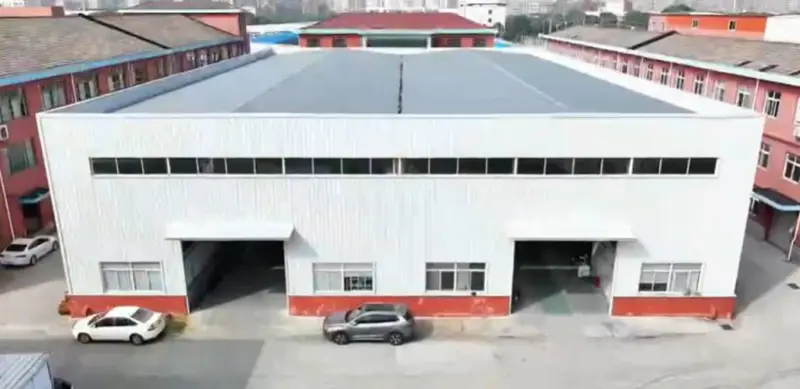
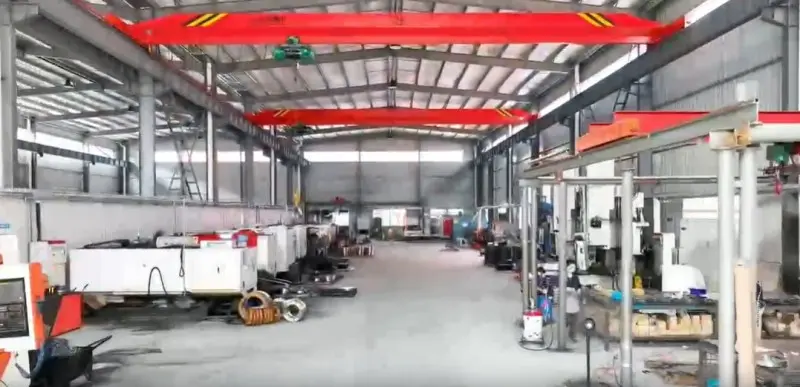
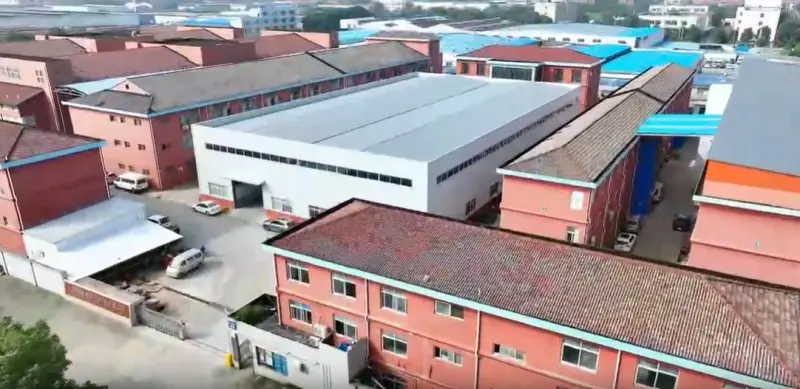
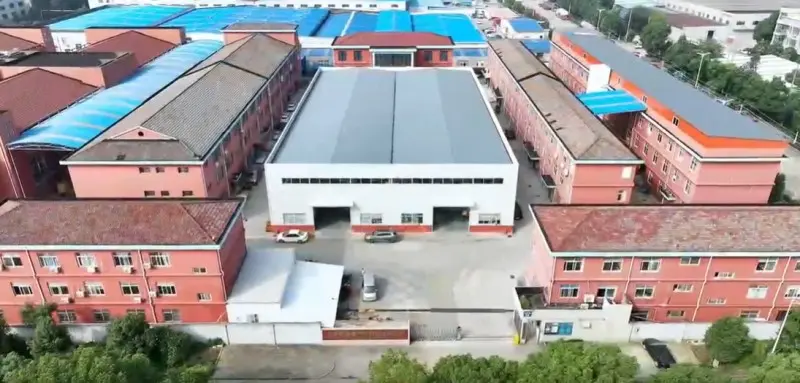
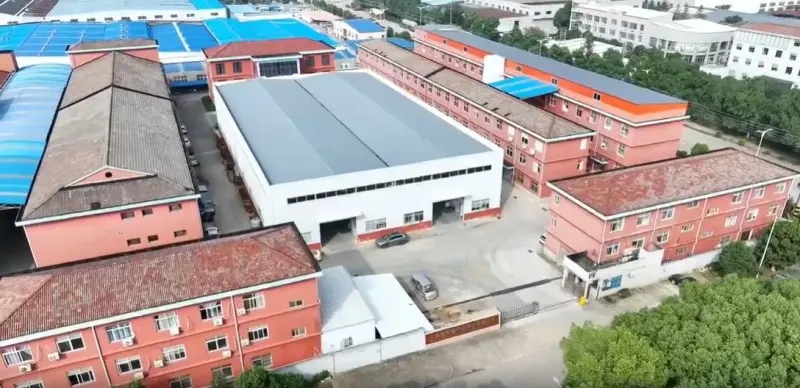
We provide customized designs and technical support tailored to specific operating conditions. Below is our 10-step quality manufacturing process.










We adhere to the business philosophy of "quality first, mutual cooperation, and win-win." Our production facility and products meet strict domestic and international standards.
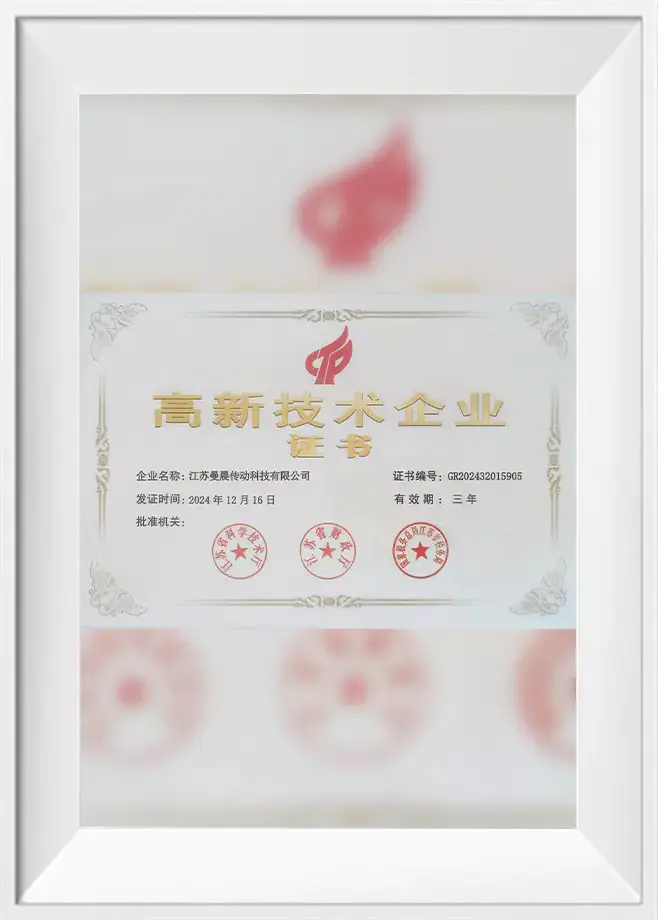
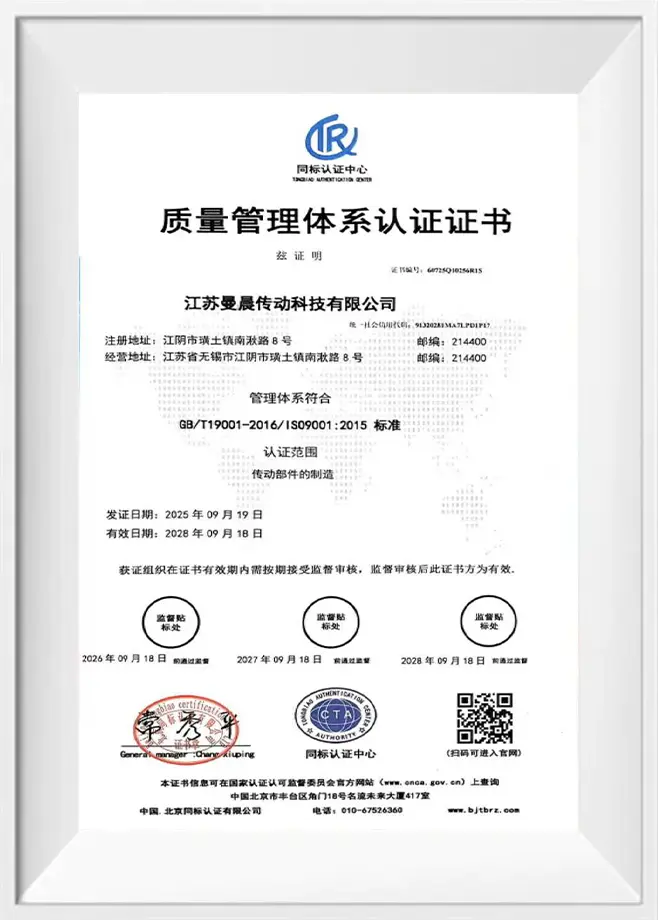
Global decarbonization initiatives require reliable base-load renewable energy. Photovoltaic (PV) power coupled with battery systems is one option, but Concentrating Solar Power (CSP) with Molten Salt Thermal Energy Storage (TES) offers a scalable alternative for large-scale grid stability. This has led to the deployment of multi-megawatt CSP installations in key regions including the Middle East, North Africa (MENA), western China, and the southwestern United States.
Operating in these areas requires equipment that can withstand desert conditions. Extreme wind loads, dust, and temperature swings present operational challenges. Our slewing bearings are designed to keep CSP tracker assemblies aligned under these conditions, protecting the system's structural integrity.
We continue to invest in technical improvements to meet evolving industry needs. Our product roadmap focuses on:
Common technical questions regarding the design, operation, and maintenance of slewing bearings in solar tracking applications.
Explore our secondary product line, featuring specialized heavy-duty cylindrical roller bearings and integrated horizontal rotary drives designed for CSP systems.
Whether designing a new heliostat system or source-optimizing replacement parts, our engineering team can help select the correct bearing configuration for your project requirements.
 Manchen Transmission
