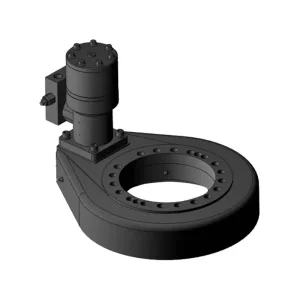
High-capacity structural bearings engineered to support wind loading, axial thrust, and dual-axis solar tracking precision.
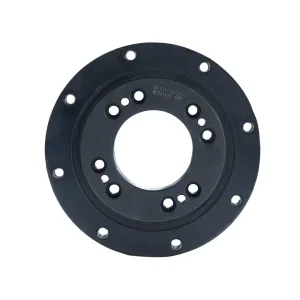
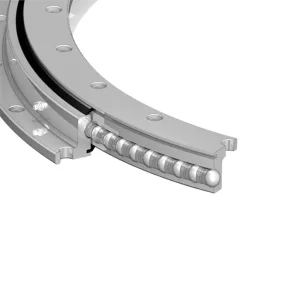
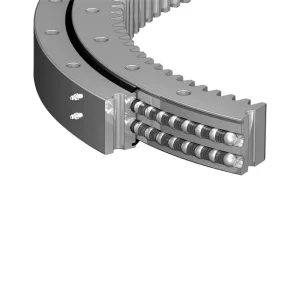
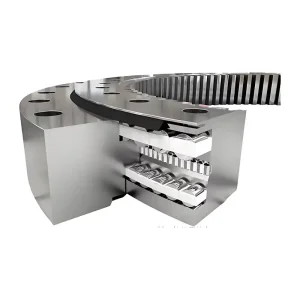
An engineering exploration into energy yields, high concentration ratios, and the vital role of dual-axis mechanical precision.
Unlike linear configurations, parabolic dish systems gather Direct Normal Irradiation (DNI) into a singular focal spot, maximizing thermal energy absorption.
Strict micro-degree alignment reduces focal drift, maintaining system energy yields and preventing severe structural overheating.
Massive structure surfaces act like sails, creating severe overturning tilting moments that require robust, high-strength structural bearings.
In the landscape of Concentrated Solar Power (CSP), Parabolic Dish Collectors (PDCs) represent the highest performance threshold. These systems utilize a paraboloidal dish array of mirrors to redirect incoming solar flux onto a central receiver positioned directly at the focal point. Temperatures at the receiver routinely exceed 800°C to 1000°C, providing the thermal energy required to power high-efficiency Stirling engines or micro-gas turbines. The thermodynamic efficiency of parabolic dish units can reach up to 30%, surpassing linear parabolic troughs and photovoltaic systems alike.
However, achieving this performance is a direct function of mechanical alignment. PDCs must track the sun across two axes: azimuth (horizontal) and elevation (vertical). Because the receiver aperture is small to minimize thermal radiation losses, the concentration profile must align precisely within a sub-degree margin of error. If the mechanical support system has backlash or warps under wind load, the focal spot drifts off target, dropping thermal energy capture to zero. This makes the engineering design of the tracking slewing bearings and drives the single most critical longevity factor in the solar field.
Understanding the engineering calculations, load factors, and metallurgy that prevent failure in utility installations.
Solar projects are designed with a target service life of 25 to 30 years, often located in harsh environments like the Gobi Desert, the Atacama, or the Mojave. These locations have excellent DNI resources but subject tracking machinery to extreme heat, sub-zero winters, dust storm abrasion, and high gust loads. When wind strikes a 15-meter-wide parabolic reflector, the force translates into a massive overturning tilting moment at the azimuth axis pivot point. The slewing bearing must support this load without suffering from brinelling (raceway indentation), teeth fracture, or seal degradation.
Selecting the proper bearing topography is essential to match project size and wind zone challenges. Below is an engineering comparison of the primary bearing structures used by solar system designers:
| Bearing Type | Primary Load Capacity | Clearance Precision | Ideal Application in Solar Tracking |
|---|---|---|---|
| Single-Row Cross-Roller | High radial, moderate axial/moment | Exceptional (Zero-backlash potential) | Small to medium dish tracking requiring precise focal placement. |
| Single-Row 4-Point Ball | Balanced axial, radial & moment | Standard tracking clearance | Most cost-effective solution for standard medium-sized solar trackers. |
| Double-Row Four-Point Ball | Excellent overturning moment resistance | High clearance control | Large-diameter parabolic collectors where wind profiles demand high safety factors. |
| Three-Row Cylindrical Roller | Ultimate axial, radial & moment stability | High stiffness | Heavy-duty utility-scale heliostats and high-aperture collectors. |
| Vertical Slewing Drive | Self-locking worm drive torque | Minimal backlash options available | Integrated drive-bearing assemblies for compact elevation adjustments. |
To ensure long-term durability, Jiangsu Manchen Transmission Technology Co., Ltd. utilizes advanced raw materials like 42CrMo high-alloy steels and 50Mn carbon steel. We employ computer-controlled induction hardening to produce a deep, hard wear-resistant shell (HRC 55-62) with a ductile, shock-absorbing inner core. This prevents cracking and raceway failure under extreme wind and shock loads.
From raw alloy steel to certified structural components, our 10-step process ensures complete quality control.
 01
01
Strict selection of 50Mn / 42CrMo forged rounds with ultrasonic testing (UT).
 02
02
Forging at high temperatures to refine grain structure and increase mechanical strength.
 03
03
CNC turning establishes primary dimensions and raceway shapes.
 04
04
Induction hardening of raceways to HRC 55-62 for high wear resistance.
 05
05
Secondary CNC turning stabilizes dimensions after heat treatment.
 06
06
Precision grinding minimizes internal clearance and reduces running torque.
 07
07
Drilling mounting holes, cutting teeth profiles, and cutting seal grooves.
 08
08
Thorough cleaning followed by applying anti-corrosive coatings for desert climates.
 09
09
Matching rollers, fitting high-temperature seals, and packing grease.
 10
10
Torque and runout inspection prior to vacuum sealing and shipping.

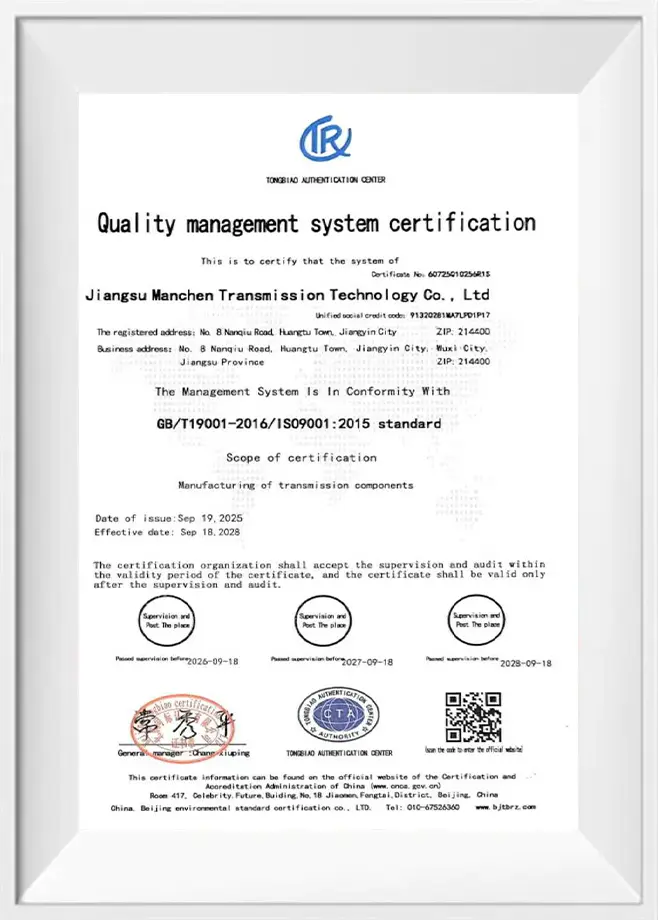
The company is located in Huangtu Town, Jiangyin City, Jiangsu Province, with very convenient transportation. The company has mature technical conditions and advanced equipment. Relying on exquisite forging, heat treatment and precision processing techniques, we can provide high-load-bearing, high-strength and long-life transmission solutions for construction machinery, medical equipment, intelligent warehousing, photovoltaic industry, port machinery, industrial robots, environmental protection equipment and other fields. The company is equipped with advanced testing equipment and a complete quality control system. The products have a complete traceability from raw material selection to final product delivery, meeting domestic and international industry standards. The company always adheres to the business philosophy of "quality first, mutual cooperation", providing high-quality services and reliable products to new and old customers.
Inside our factory: Advanced CNC turning, induction hardening, and grinding machines that maintain high precision tolerances.
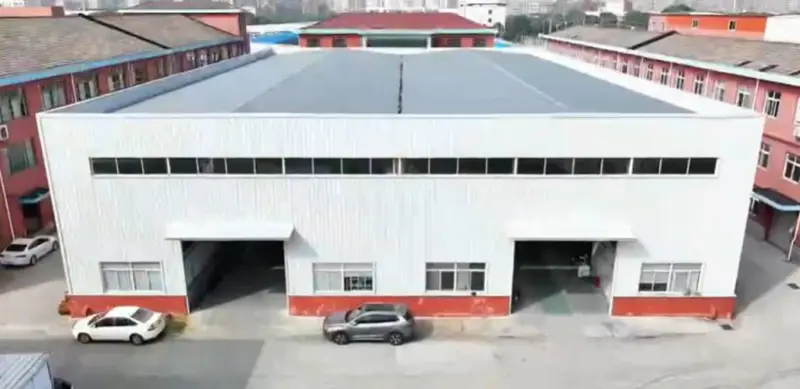
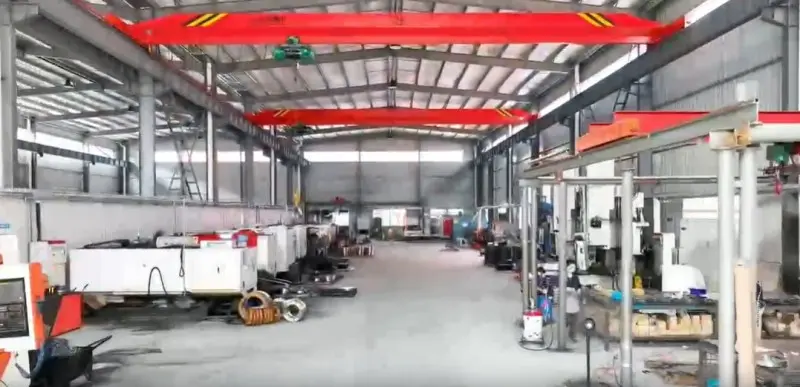
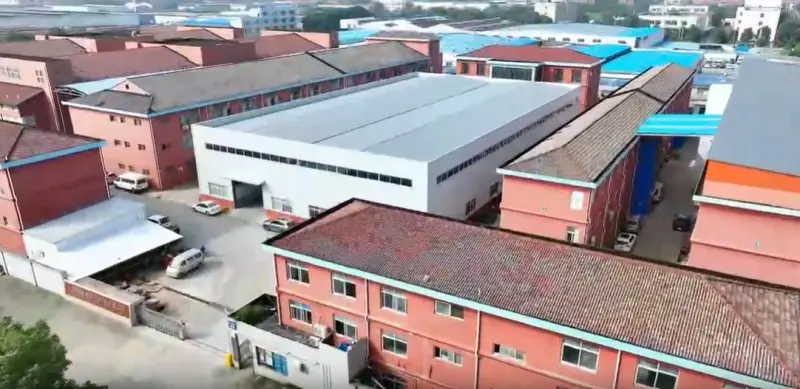
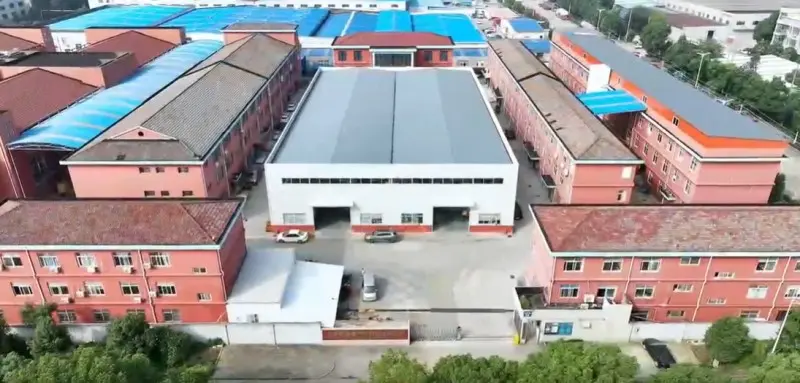
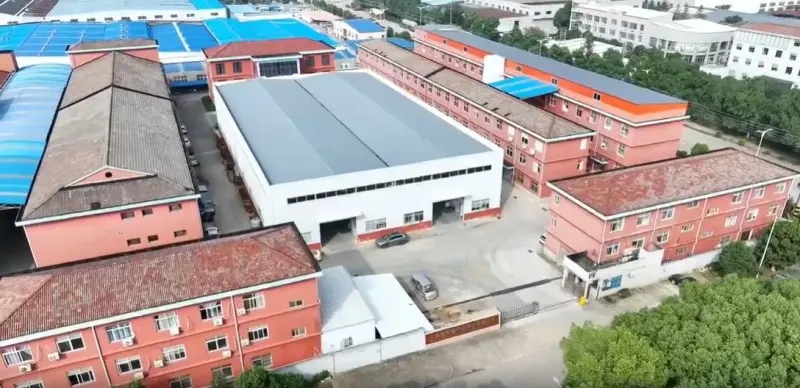
The company has always adhered to the business philosophy of "quality first, mutual cooperation and win-win", providing high-quality services and reliable products to both new and existing customers.
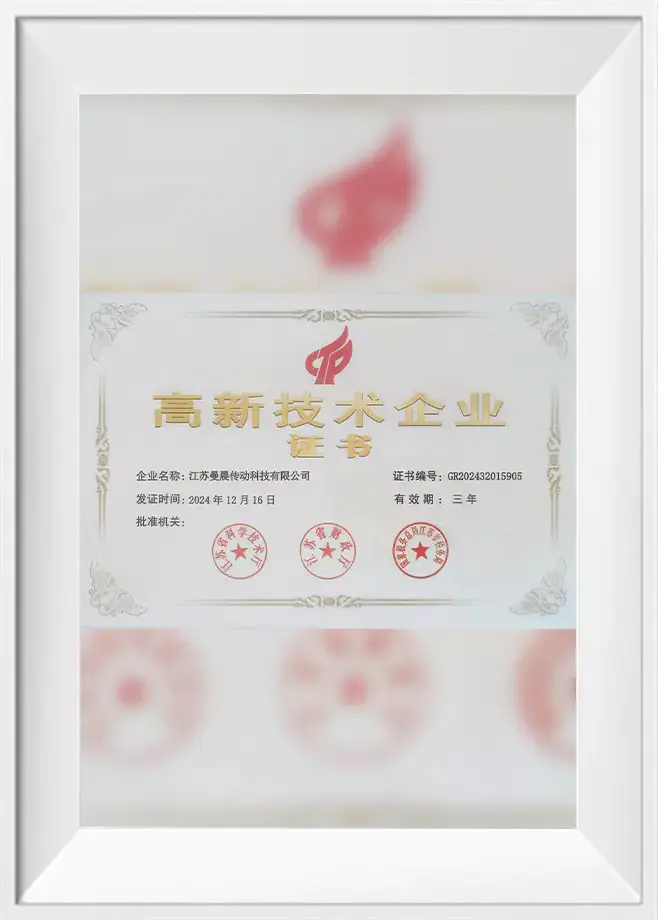
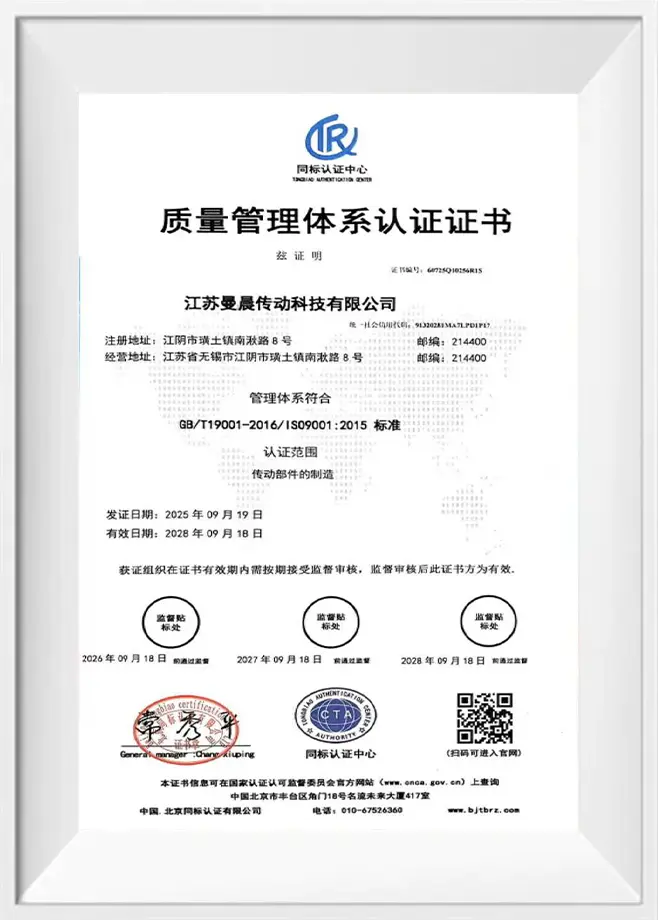
Designing transmission systems for predictive maintenance, remote diagnostics, and lower levelized cost of energy (LCOE).
As utility-scale concentrated solar projects expand globally, solar trackers are shifting toward smart tracking systems. Future systems will combine astronomical algorithms with real-time wind sensor feeds to adjust tracking positions dynamically. This protects mechanical assemblies before structural limits are reached during storms.
Jiangsu Manchen is developing new slewing bearings with integrated sensor ports. These smart systems monitor internal temperature, vibration profiles, and rotation torque, allowing operators to detect wear early and schedule predictive maintenance before failures occur. This technology increases operational uptime and lowers long-term maintenance costs for utility solar developers.
In addition, we have established long-term cooperative relationships with many well-known domestic enterprises. With stable quality and complete after-sales services, we have won wide recognition in the market. In the future, the company will continue to focus on technological upgrading in the transmission field, and strive to provide global customers with higher-quality and more cost-effective rotary transmission products and services.
Technical answers for solar procurement managers, EPC contractors, and mechanical design engineers.
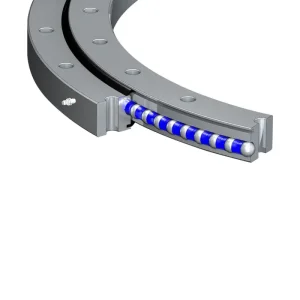
A complete selection of single-row, double-row, L-type, cross-roller, and vertical slewing drives.
 Manchen Transmission