A global snapshot of Jiangsu Manchen Transmission Technology Co., Ltd. and our industrial scale footprint, producing ultra-high load components for next-generation heavy machinery.
Explore our core engineering items, manufactured in our state-of-the-art facilities in Jiangsu, Jiangyin. Designed to resist immense overturning moments and support smooth structural rotation.
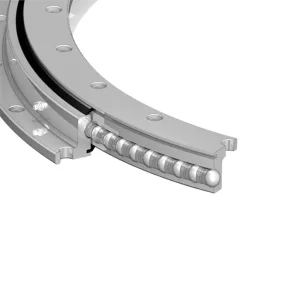
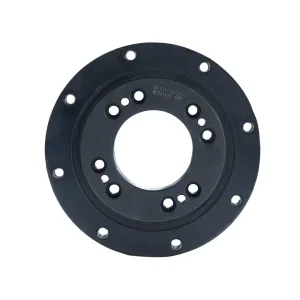
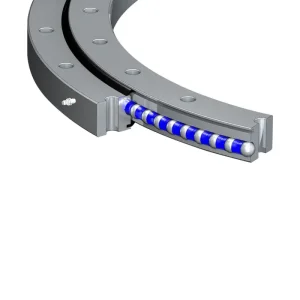
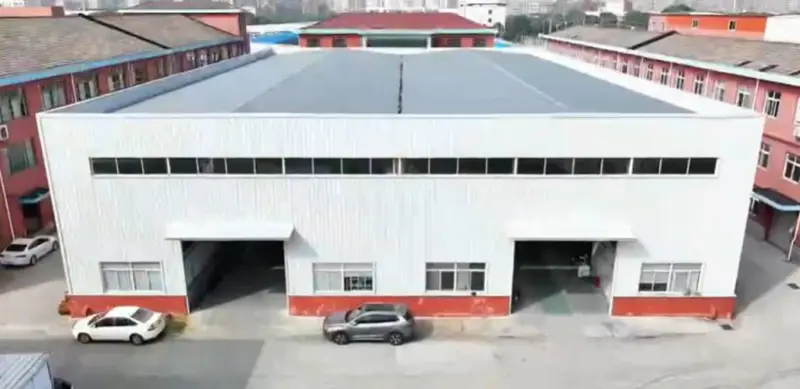
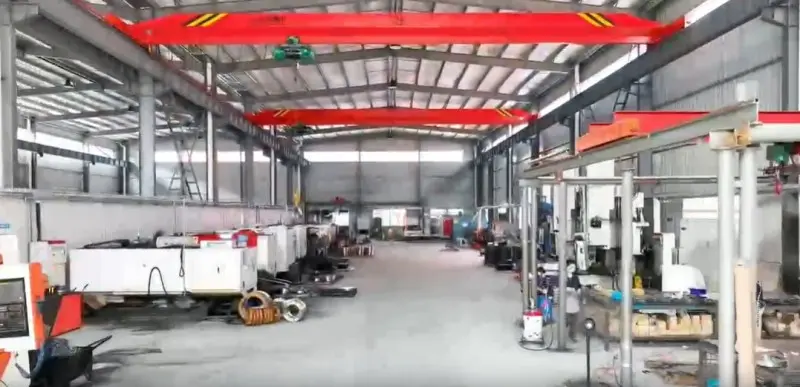
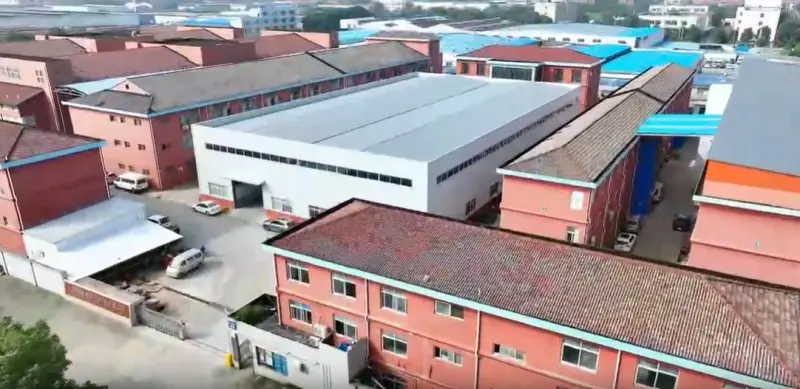
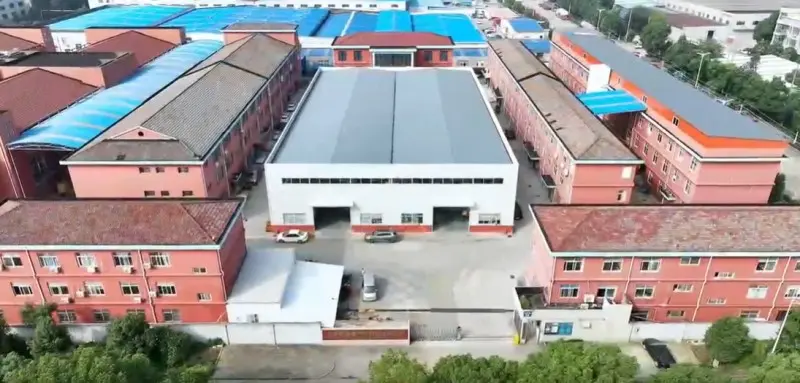
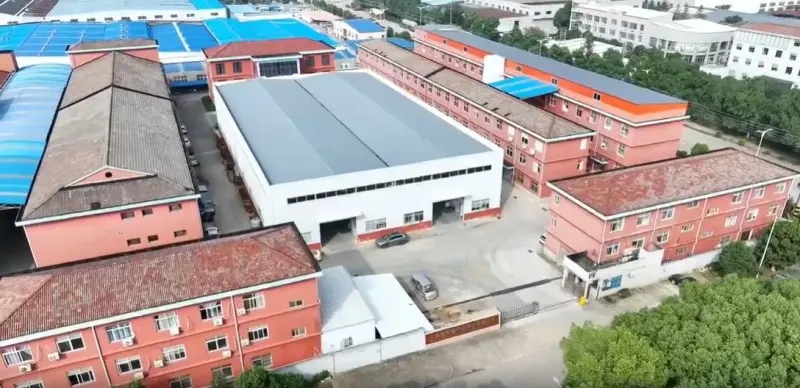
Established in 2022, Jiangsu Manchen Transmission Technology Co., Ltd. stands as a powerhouse in the precision manufacturing sector. Nestled in Huangtu Town, Jiangyin City, Jiangsu Province, our factory benefits from highly advanced localized logistics, enabling efficient domestic and international distribution networks. We are a professional enterprise that bridges the gap between high-level transmission design, intensive research and development, modern manufacturing, and global sales.
Relying on exquisite forging methods, specialized heat treatment operations, and high-precision CNC machineries, Manchen produces transmission components tailored for complex load distributions. Our products are formulated to supply exceptional load-bearing profiles, extreme shear strength, and prolonged structural lifetimes.
These heavy-duty transmission components play vital roles in modern industrial ecosystems. From construction machineries, tracking arrays in photovoltaic power fields, automated warehousing units, and port cranes, to sensitive environments such as high-end medical equipment and precision industrial robotics, our bearings supply the reliable rotation required for modern automation.
Equipped with state-of-the-art metrology labs and a highly strict quality control loop, Manchen enforces 100% component traceability. From raw steel bars to final packed units, every element conforms to domestic and international quality guidelines.

Understanding the physics, metallurgy, and mechanics of heavy-duty slewing support structures used in global industrial fields.
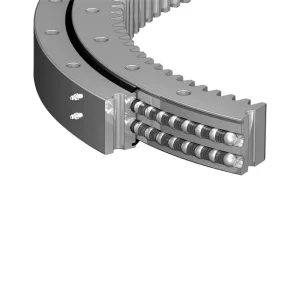
Slewing rings face multi-directional stresses. Standard single-row bearings may degrade under dynamic tilting loads. Double-row ball designs share loads across parallel planes. By using two separate rows of steel balls or cylindrical rollers, the load arm is lengthened, maximizing the structural resistance to overturning moments without exponentially increasing the bearing's diameter.
The life of a double-row rolling bearing is dictated by steel purity. Jiangsu Manchen utilizes high-grade structural carbon steel 50Mn or alloy steel 42CrMo. 42CrMo offers superior hardenability, tensile strength, and toughness under dynamic impact loads. This material reduces the threat of micro-cracks inside raceways, ensuring optimal operational reliability in cold climates and marine operations.
Surface wear resistance relies on induction hardening. Our automated heating coils apply localized heat to the raceways, followed by controlled quenching to produce a hard martensitic layer (55–62 HRC). This process leaves the core ductile, allowing the bearing to absorb high-frequency shocks without cracking.
Modern industrial fields require highly reliable rotary transmission systems to support automated operations worldwide.
Photovoltaic tracking systems require slewing drives to align heavy solar arrays with the sun. These systems run in environments with high winds, shifting sand, and extreme heat. Manchen's gearless single-row and double-row ball bearings offer low rotational torque and high resistance to dust, keeping utility-scale solar farms running for 25+ years.
Cargo ships and crane platforms rely on rotational mechanisms to lift and rotate heavy containers. Double-row roller designs distribute vertical forces and tipping moments safely across multiple contact surfaces. This distribution prevents localized steel deformation, reducing maintenance downtime.
AGVs and warehouse robots need compact, high-precision slewing drives to execute tight turns while loaded. Single-row cross-roller bearings offer minimal axial play and high torsional rigidity, allowing warehouse operations to run with high precision and speed.
Our complete production cycle, from raw material selection to final inspection, ensures that every component meets rigorous international standards.










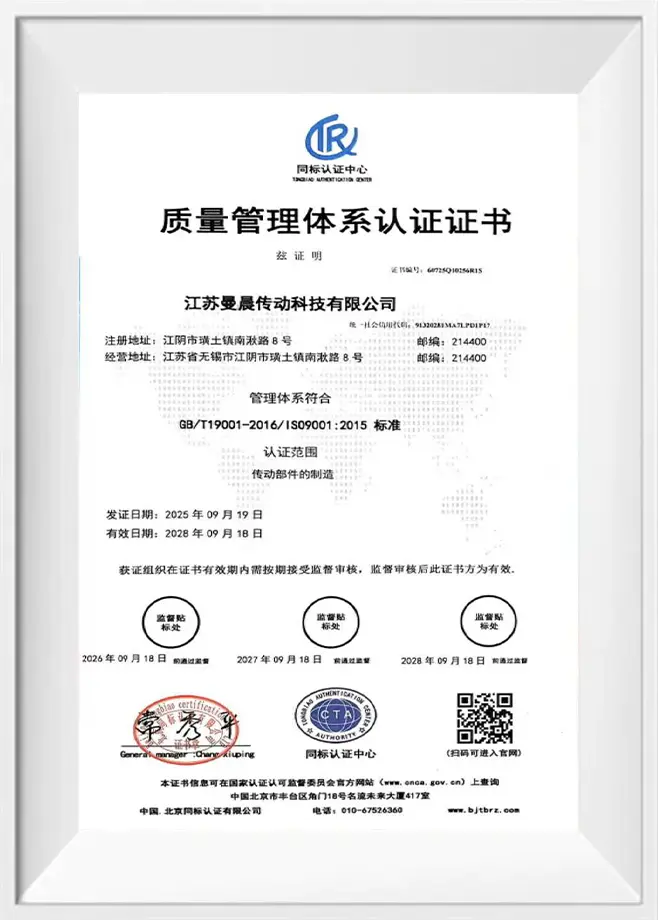
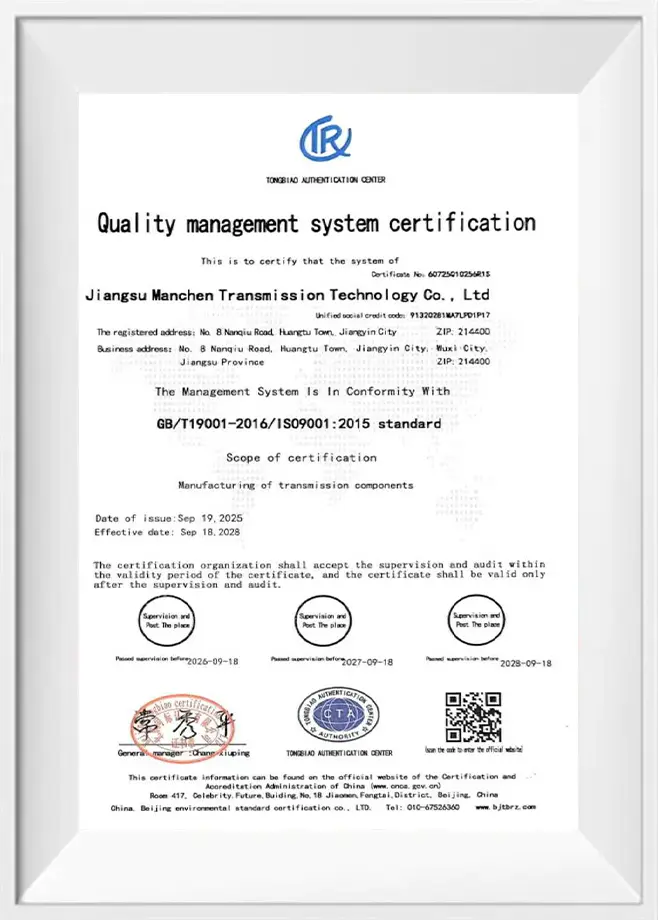
Our products undergo comprehensive certification audits and dimensional testing to confirm compliance with global safety and engineering regulations.

Driving innovation through advanced material engineering, digital twin integration, and sustainable manufacturing processes.
We are integrating embedded sensors within our double-row cylindrical roller slewing rings. These sensors track operational temperature, axial play, and real-time vibration signatures, feeding diagnostic data to central control panels to enable predictive maintenance and prevent unexpected equipment failures.
Standard grease schedules are challenging to maintain in remote locations. We are testing self-lubricating synthetic retainer elements and advanced polyurethane seals. These components contain solid-state lubricants that release under friction, reducing physical wear and decreasing manual grease requirements by up to 60%.
In line with global environmental standards, our plant is upgrading to high-efficiency induction generators. This tech uses magnetic induction to reduce energy use by 25% during heat treatment. By optimizing our carbon footprint, we help global buyers meet strict supply chain sustainability targets.
Detailed technical answers to common queries regarding double-row ball, cross-roller, and cylindrical roller slewing rings.
A single-row ball slewing bearing features a single set of steel balls rolling along a four-point contact track. This design is highly efficient for general loads, offering smooth operation in compact designs. In contrast, a double-row ball slewing bearing uses two separate rows of steel balls with differing diameters or parallel track layouts. The double-row design offers a larger load-carrying capacity, distributing axial, radial, and tilting moment loads across a wider contact area. This makes double-row designs ideal for heavy machinery that experiences constant load shifts.
We utilize high-frequency induction hardening machines to heat the raceway surface. Automated controls monitor parameters like power output, frequency, and quench timing. Our quality control team uses ultrasonic depth testers and Vickers hardness testers to verify that the hardened depth reaches the required specification (typically 3 to 5 mm depending on the bearing's size) and that hardness remains within the 55–62 HRC range, keeping the core material tough and shock-resistant.
Yes. Our engineers customize bearings for low-temperature environments (down to -40°C) and high-temperature environments (up to 120°C). We modify the steel chemistry (using 42CrMo4 alloy with low-temperature impact tests), customize internal clearances to accommodate thermal expansion, select specialized low/high-temperature synthetic greases, and utilize specialized seal materials like fluororubber (FKM) to prevent contaminant ingress.
A gearless slewing ring is suitable when the rotational movement is driven by an external gear unit, hydraulic cylinder, or separate direct drive mechanism. Removing the teeth simplifies manufacturing and simplifies maintenance, reducing overall cost. Geared configurations (internal or external) are preferred when space is limited, integrating the drive mechanism directly into the inner or outer ring.
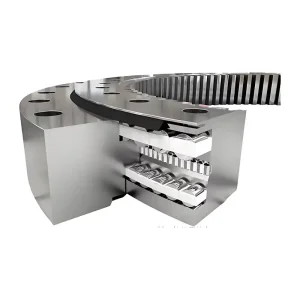
Explore our high-load cylindrical roller, three-row roller, and specialized horizontal rotary drive units designed for complex heavy duty applications.
 Manchen Transmission