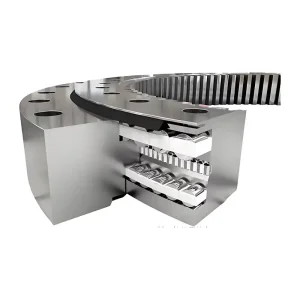
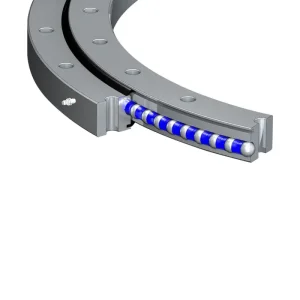
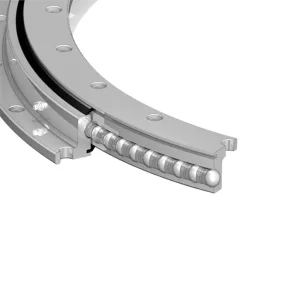
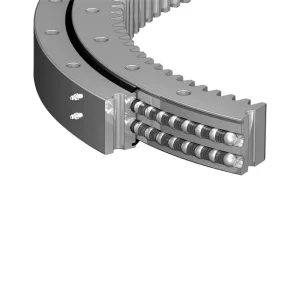
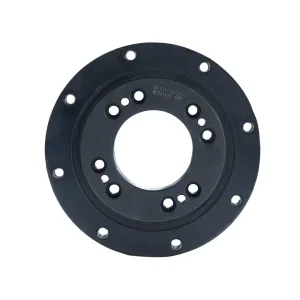
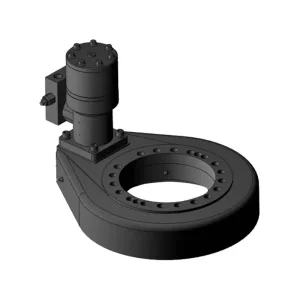
Engineered to withstand harsh desert conditions while offering ultra-precise angular tracking. Designed for concentrated solar thermal systems and heliostat arrays.
Concentrated Solar Power (CSP) systems, including tower heliostat systems, parabolic troughs, and linear Fresnel reflectors, represent the forefront of utility-scale renewable energy storage and generation. Unlike photovoltaic (PV) panels, which can function with moderate tracking deviations, CSP technologies concentrate solar irradiation onto a thermal receiver using mirrors or lenses. Achieving high thermal concentration ratios (often exceeding 1,000 suns in tower systems) demands unprecedented tracking accuracy, typically characterized by an angular tolerance of less than 1 to 2 milliradians.
At the center of these dual-axis and single-axis tracking systems sits the slewing bearing or slewing drive assembly. This component is tasked with supporting the massive structural weight of the Concentrated Solar Array (heliostats or mirrors) while resisting high wind overturning moments, axial loads, and radial forces. The tracking accuracy of the entire solar array is directly dependent on the radial runout, axial play, and gear backlash properties of these specialized bearings.
Any tracking error, even a fraction of a degree, causes the reflected sunlight to drift away from the central solar receiver tower, resulting in immediate thermal efficiency losses. The mechanical requirements for concentrated solar tracking drives include:

Jiangsu Manchen Transmission Technology Co., Ltd. was established in 2022. It is a professional manufacturing enterprise integrating design, research and development, manufacturing and sales. The company is located in Huangtu Town, Jiangyin City, Jiangsu Province, with very convenient transportation.
The company has mature technical conditions and advanced equipment. Relying on exquisite forging, heat treatment and precision processing techniques, we can provide high-load-bearing, high-strength and long-life transmission solutions for construction machinery, medical equipment, intelligent warehousing, photovoltaic industry, port machinery, industrial robots, environmental protection equipment and other fields. The company is equipped with advanced testing equipment and a complete quality control system. The products have a complete traceability from raw material selection to final product delivery, meeting domestic and international industry standards. The company always adheres to the business philosophy of "quality first, mutual cooperation", providing high-quality services and reliable products to new and old customers.
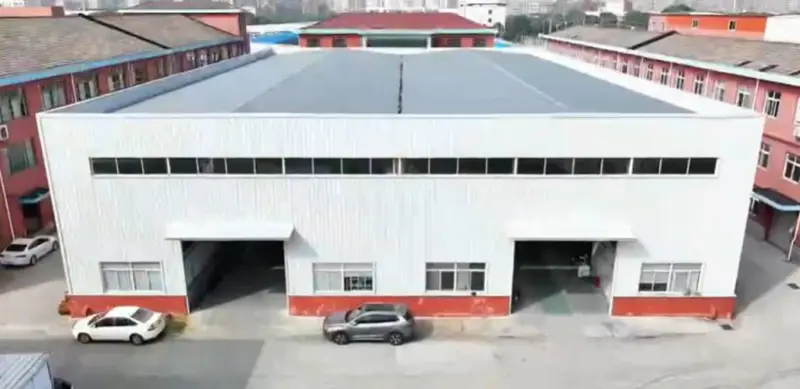
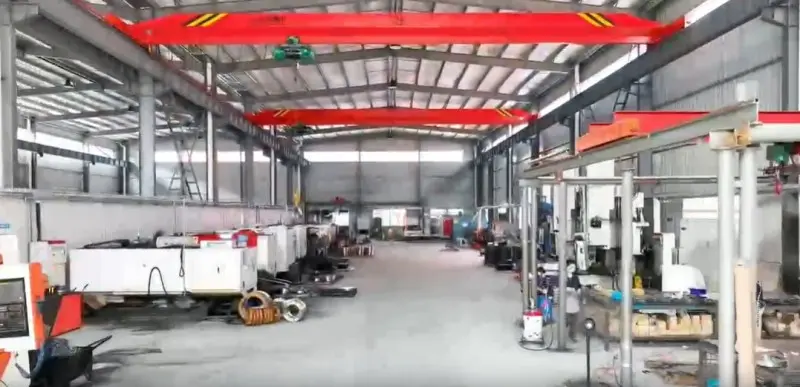
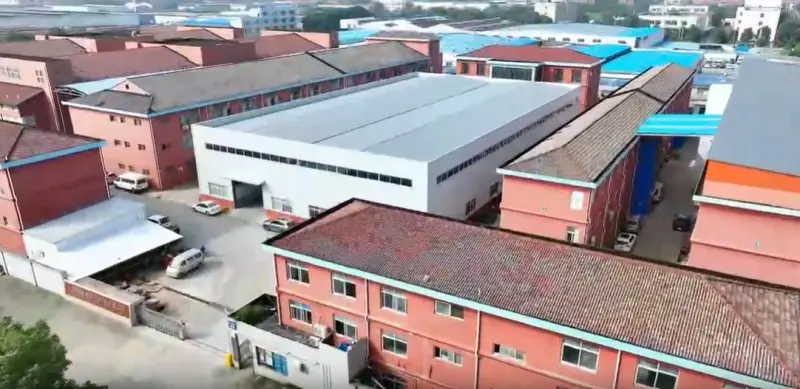
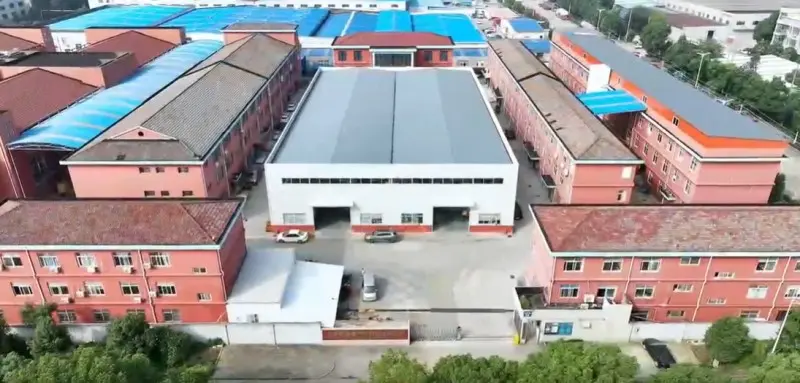
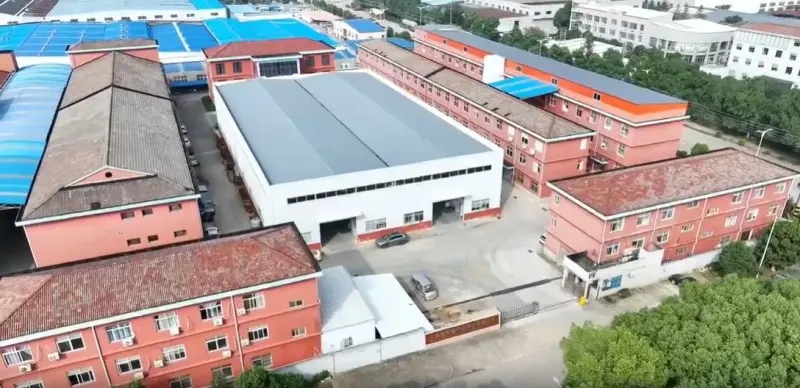
We can provide customized design and technical support according to customer needs, helping partners achieve efficient and stable equipment operation. Our vertical integration processes guarantee absolute control over metallurgic and geometrical specifications.

Spectral analysis and verification of steel forgings (e.g., 50Mn, 42CrMo).

Ring rolling and hydraulic forging for structural density and grain alignment.

Precision CNC turning to establish foundational geometries.

Quenching and induction hardening of raceways to achieve optimal HRC hardness.

Accurate gear cutting, drilling of mounting holes, and pilot dimension tuning.

Precision grinding of raceway curves to eliminate friction and axial runout.

Final micro-machining of structural components and alignment checks.

Degreasing, washing, and application of corrosion-resistant surface coatings.

Precise fitment of rolling elements, spacing cages, and heavy-duty dust seals.

Comprehensive clearance testing, torque measurement, and seaworthy packing.
As the global energy landscape undergoes structural decarbonization, utility-scale solar projects—particularly concentrated solar power (CSP) and Concentrated Photovoltaic (CPV) systems—are expanding across Latin America, the Middle East, North Africa (MENA), and Western China. This boom requires millions of metric tons of raw materials and millions of mechanical drives. Chinese factories, particularly those situated in highly specialized industrial clusters such as Jiangyin in Jiangsu Province, offer unparalleled global sourcing advantages.
The manufacture of Concentrated Solar Array rotary transmission parts relies heavily on the local availability of heavy machinery components. Jiangsu Province is home to the world's most advanced steel refining, forging, and induction-hardening ecosystems. By sourcing raw materials like 50Mn and 42CrMo steel from nearby premium mills, Jiangsu Manchen minimizes raw material lead times and transportation emissions. The vertical integration of our manufacturing line—combining ring forging, CNC rough turning, precision induction hardening, tooth milling, grinding, assembly, and testing under a single quality control system—eliminates intermediate markups and logistics bottlenecks. Global EPC developers benefit from reduced overall production lead times and highly competitive total cost of ownership (TCO).
To operate reliably under severe atmospheric conditions, a tracking bearing must meet stringent structural and mechanical design paradigms:
Large-scale global energy corporations, asset managers, and EPC contractors look for several key performance indicators (KPIs) when selecting solar tracking component suppliers:
To secure international trust, a manufacturer must bridge geographical barriers. Jiangsu Manchen supports project developers with complete technical dossiers, structural analysis reports (FEM - Finite Element Method modeling), and direct technical integration consultations. In terms of compliance, we ensure that every batch of slewing bearings has material certificate traceability (EN 10204 3.1) and complies with the EU Machinery Directive and American Standard for Testing and Materials (ASTM) specifications. This thoroughness simplifies import procedures, accelerates regional customs clearances, and speeds up onsite mechanical assembly.
Our slewing drives and bearing rings are widely applied in several CSP configurations:
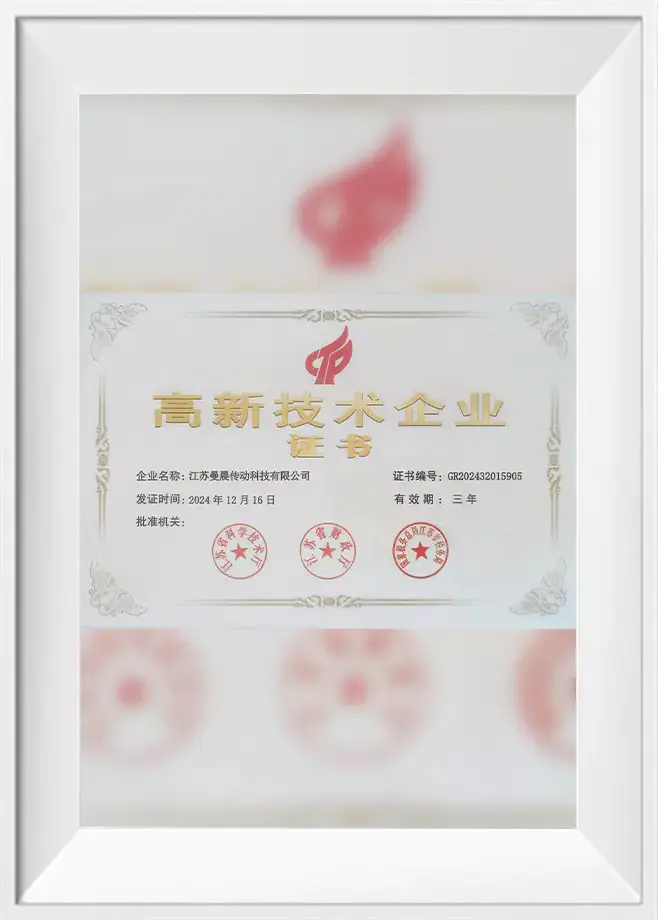
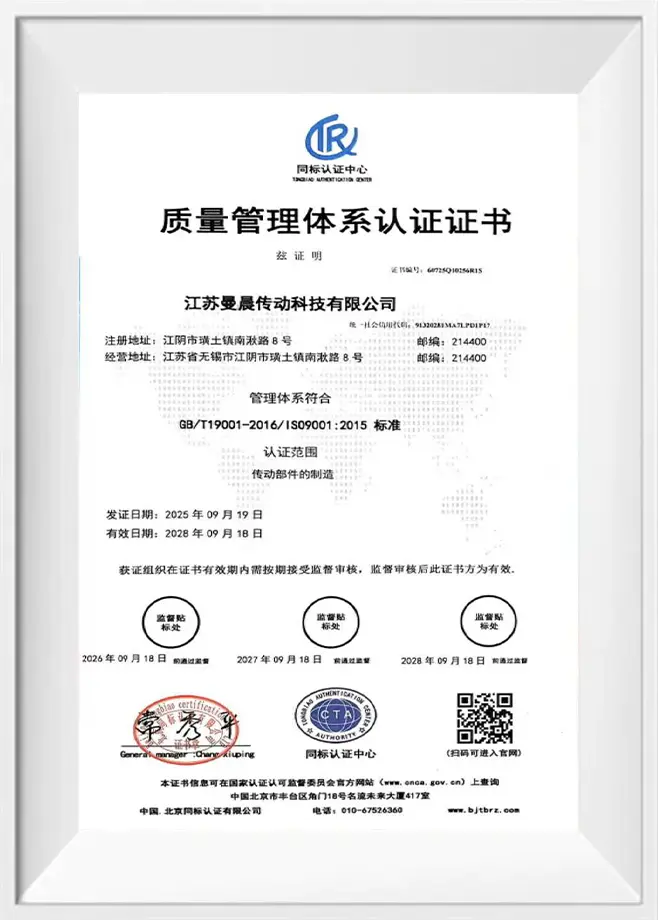
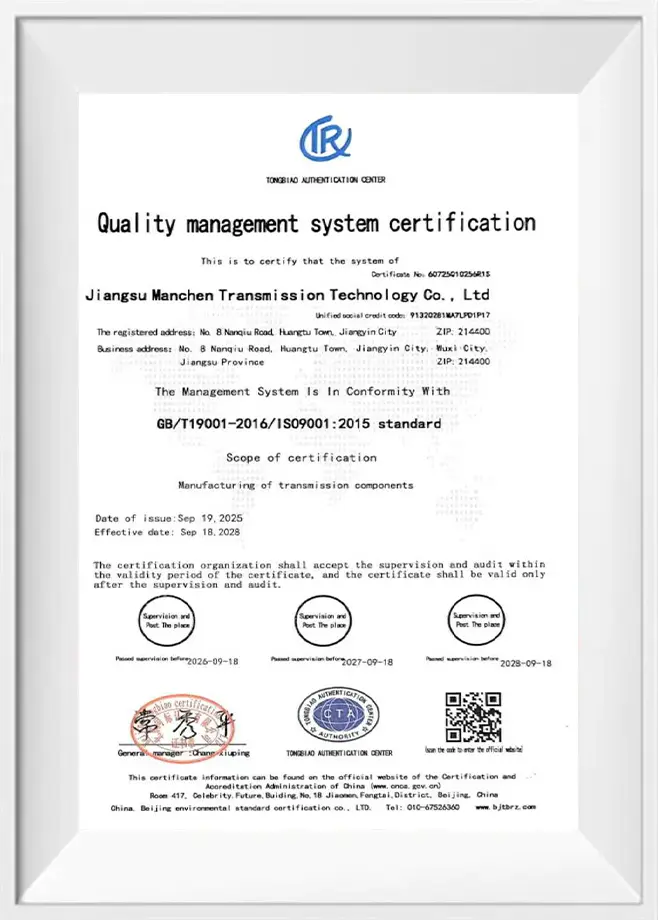
Our production system operates in compliance with strict international quality management standards, ensuring contract compliance, product reliability, and mutual win-win cooperation.
A comprehensive portfolio of internal gear, external gear, gearless, and cross-roller slewing systems engineered for high-precision solar tracking applications.
Crucial mechanical design questions answered by our engineering and manufacturing specialists.
As concentrated solar energy moves toward higher operating temperatures and larger heliostat dimensions, Jiangsu Manchen Transmission Technology Co., Ltd. is committed to continuously developing next-generation slewing systems. We aim to support clean energy developers worldwide with durable, high-precision transmission products.
 Manchen Transmission