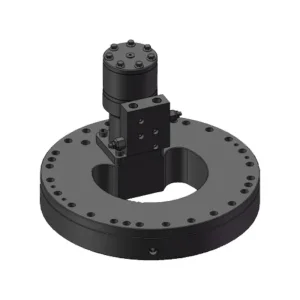
Explore our high-performance slewing bearings and vertical gear drives engineered to optimize the structural stability and tracking accuracy of utility-scale solar generation infrastructure.
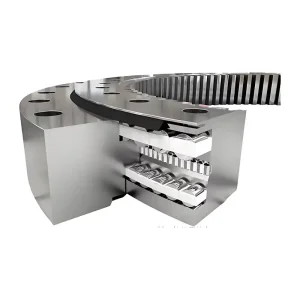
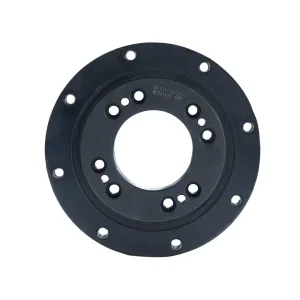
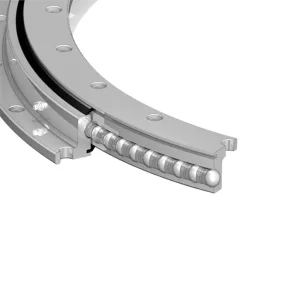
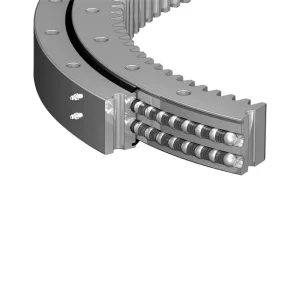
Concentrated Solar Power (CSP) systems represent the vanguard of utility-scale dispatchable green energy. Unlike photovoltaic (PV) systems, CSP leverages mirrors or lenses to concentrate a large area of sunlight onto a receiver. The thermal energy is then used to drive a conventional steam turbine generator, often coupled with Thermal Energy Storage (TES) systems such as molten salt tanks. This enables CSP plants to generate electricity continuously, bypassing the intermittency issues of traditional solar generation.
At the heart of every functional CSP installation—whether it is a solar power tower (heliostat field), parabolic trough, or linear Fresnel collector—is the absolute requirement for precise, continuous, and highly reliable astronomical tracking. Because of the vast distances between mirrors and receivers, even a minor tracking deviation of 0.1 degrees can lead to substantial energy loss or system damage. Heavy-duty slewing drives and custom-configured slewing bearings serve as the physical interfaces that support these massive reflective structures while bearing the brunt of extreme wind loads and environmental factors.
As global carbon neutrality targets tighten, the CSP market is witnessing a renaissance. Next-generation CSP designs are shifting toward larger heliostats (mirror assemblies exceeding 100m² each) to reduce the overall number of tracking units and control channels. This scaleup increases the physical load on the mechanical tracking systems exponentially. Engineering Procurement and Construction (EPC) firms, along with Independent Power Producers (IPPs), now demand highly customized ODM Concentrated Solar Power Generation Slewing Bearings that can survive up to 30 years of continuous operation in desert basins, arid plateaus, and dry valleys.
The incorporation of molten salt thermal storage requires CSP trackers to work extended hours, aligning before sunrise and remaining active during high wind loads to store maximum heat. This elevates fatigue cycles on slewing gear teeth and bearings.
Modern heliostats are built larger to lower optical wiring and controls cost. Large structures translate into higher overturning moment demands. High-capacity L-type and three-row roller bearings are becoming the industry standard to handle these moments.
CSP installations are typically located in remote, arid regions (e.g., Sahara, Gobi, Atacama). The cost of replacing a failed drive or bearing is exorbitant. Procurement specifications now mandate maintenance-free or automated lubrication slewing drives.
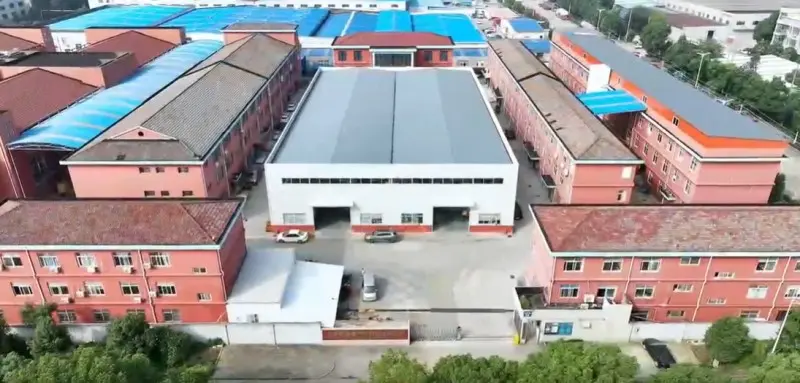
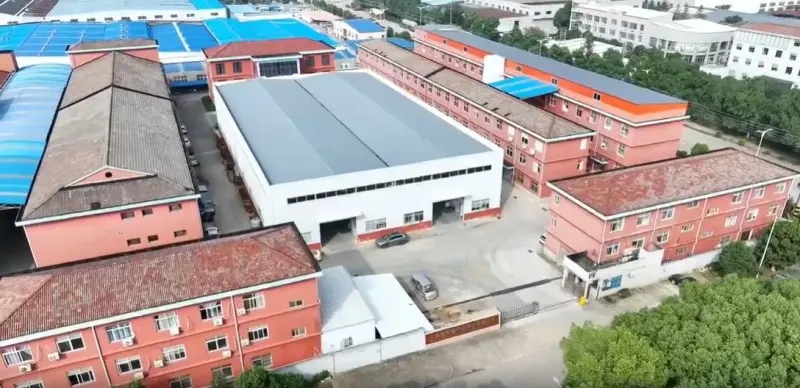
Established in 2022 in Huangtu Town, Jiangyin City, Jiangsu Province, Jiangsu Manchen Transmission Technology Co., Ltd. has rapidly emerged as a leading professional manufacturing enterprise integrating design, research and development, manufacturing, and technical support.
Benefiting from convenient regional transportation and a robust local manufacturing ecosystem, Manchen Transmission implements precision engineering techniques across forging, heat treatment, and machining steps. Our advanced manufacturing facility operates with digital quality control systems, ensuring complete traceability from metallurgical analysis of raw forgings to the final assembly of finished tracking gearboxes and slewing rings.
By prioritizing structural resilience, optimized tooth profiles, and superior sealing technology, we produce customized rotary transmission solutions that satisfy the requirements of heavy construction machinery, intelligent warehousing, and utility-scale Concentrated Solar Power (CSP) systems.
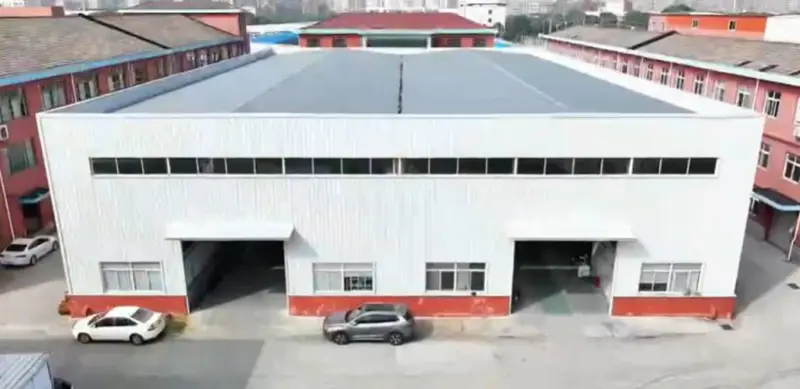
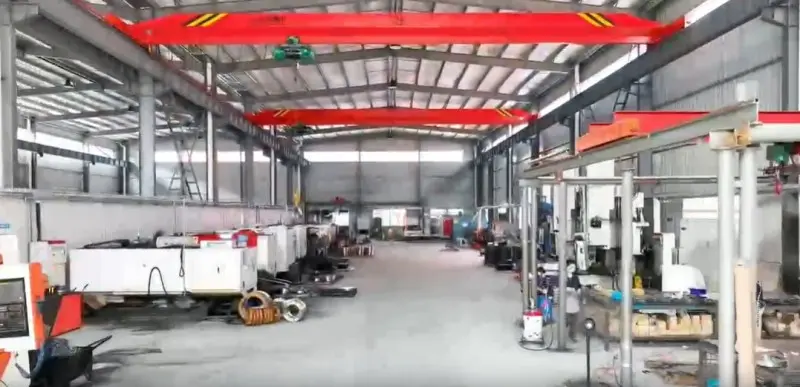
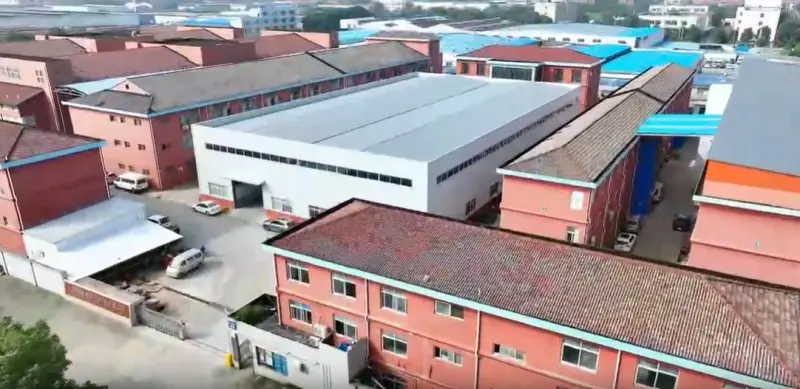

"Our business philosophy centers on quality first, mutual cooperation, and technical innovation. By standardizing manufacturing metrics and incorporating automated checking tools, we provide zero-defect rotation elements designed to withstand harsh outdoor operation."
Achieving the low-backlash and heavy tilting moment tolerance required for Concentrated Solar Power trackers requires precision at every production stage. Below is a detailed view of our standard production flow, integrating state-of-the-art metallurgical refinement and machining processes:

Procuring premium structural steel (e.g., 50Mn, 42CrMo) with full ultrasonic testing to verify internal integrity.

Hot-rolling ring forgings to build dense, consistent grain structures, minimizing internal material stresses.

CNC turning centers machine the basic ring geometries, prep mounting surfaces, and establish basic contours.

Medium-frequency induction quenching is applied to harden the raceways, enhancing fatigue and wear resistance.

Precision turning and drilling of bolt-holes, establishing strict positional tolerances for mounting configurations.

Super-finishing grinding of internal raceway geometries to ensure smooth rotation and low operating torque.

Final CNC machining of gear teeth profiles, ensuring optimal tooth-mesh contact and minimal backlash.

Rust removal, solvent cleaning, and application of multi-layer anti-corrosion barrier coatings.

Inserting steel balls/rollers and low-friction spacers, followed by seal installation and greasing.

Comprehensive checking of dimensions, runout, clearance, and torque, followed by sea-freight packaging.
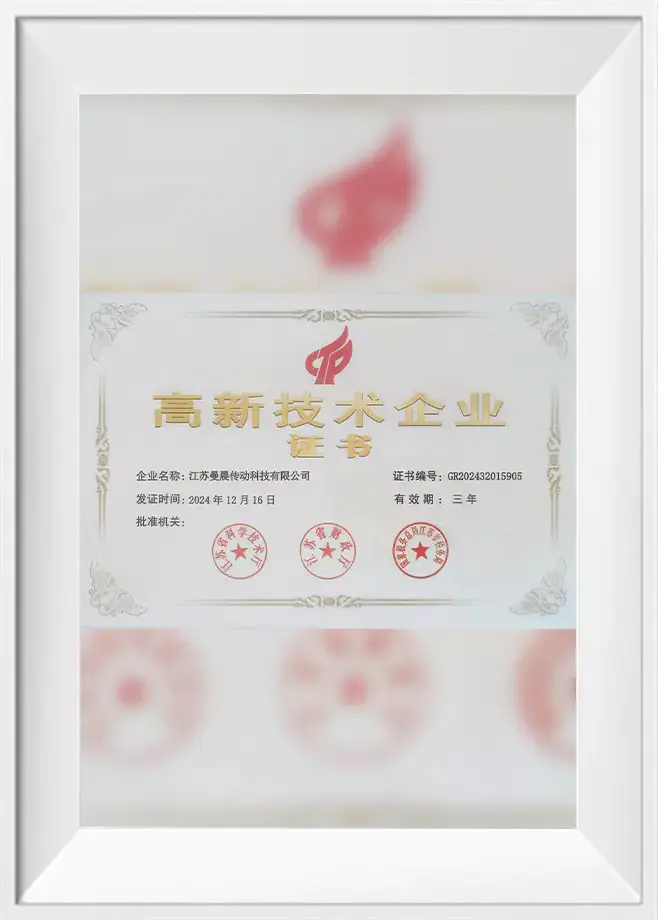
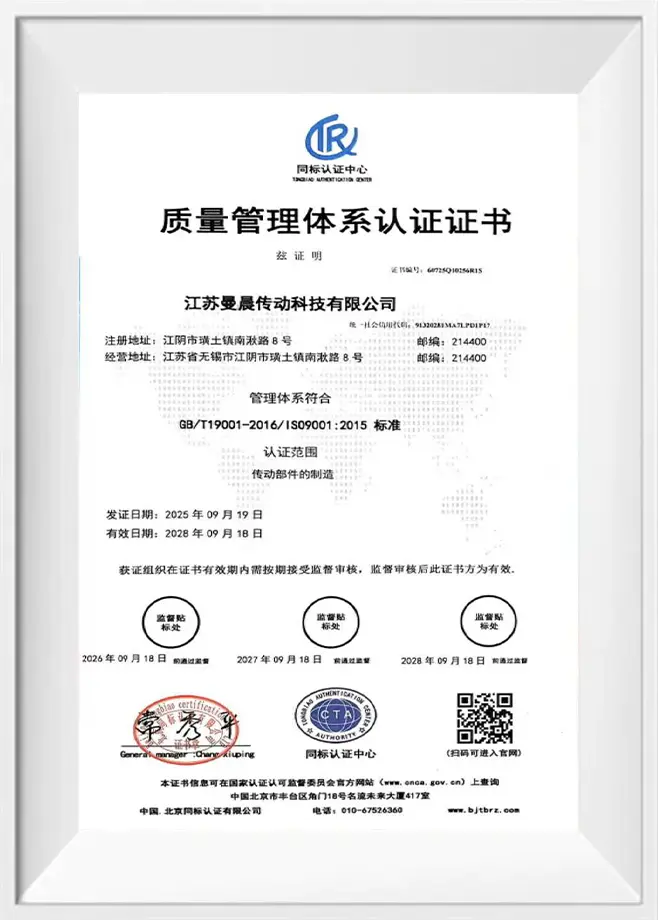
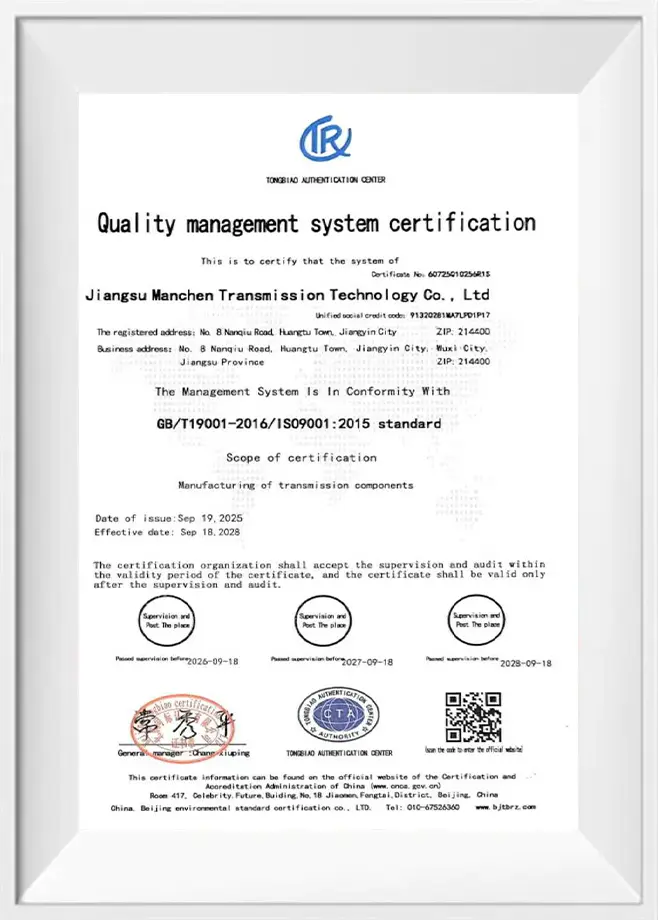
Jiangsu Manchen adheres to strict quality management standards, providing traceable products that comply with domestic and international safety, structure, and operational regulations.
Every solar collection methodology imposes unique kinematic and static demands on tracking mechanisms. Below is an overview of how we optimize our products for the three major utility-scale CSP designs:
In tower designs, thousands of flat mirrors (heliostats) track the sun across two axes, focusing light onto a single receiver at the top of a central tower.
Parabolic trough systems concentrate solar radiation onto a receiver tube running along the focal line of the reflector. The entire trough assembly tracks the sun along a single axis (usually North-South).
Linear Fresnel systems use long, thin segments of mirrors to concentrate light onto an elevated receiver. These systems feature lower wind profiles but require a high density of compact, cost-efficient tracking components.
In-depth structural answers and engineering advice concerning solar tracking system integration, wind load management, and slewing system lifespans.
CSP applications feature significantly higher structural demands than PV or CPV. While PV trackers must align photovoltaic modules to optimize light angle, tracking deviations of a few degrees only result in minor power output drops. In CSP (especially tower and trough configurations), a deviation of even 0.1 degrees can cause concentrated light to miss the heat receiver, leading to loss of power and potential damage to surrounding equipment. Consequently, CSP tracking systems require low-backlash designs, high tilting moment stiffness, and robust sealing to protect against desert sands.
We configure the load profiles of our bearings using finite element analysis (FEA) to simulate wind drag up to survival speeds. For large-area heliostats, we recommend single-row four-point contact ball slewing bearings with hardened raceways or double-row ball configurations. The deep-groove contact geometry allows the bearings to handle combined radial, axial, and tilting moment forces. Additionally, the mounting flange structure is optimized to distribute loads evenly across the tracker pedestal, preventing structural deformation.
Low backlash is achieved through precision grinding of the raceways and matching control of the rolling elements. By utilizing CNC grinding machinery, we maintain tight tolerances on the raceway grooves. We then assemble the bearings using sorted, high-precision balls or rollers to achieve a light preload. The gearing profile is cut using specialized gear shapers and finished to minimize tooth spacing errors, ensuring smooth mesh engagement with the drive pinion.
Operating in arid, high-temperature regions requires optimized sealing and lubricants. We use double-lip synthetic rubber seals (FKM or special NBR formulations) to exclude dust and retain grease. The bearing is packed with high-viscosity synthetic grease designed for temperatures ranging from -40°C to +80°C. For the outer surfaces, we apply multi-layer polyurethane coatings that comply with ISO 12944 C5 corrosion standards, protecting the steel against abrasive sands and atmospheric moisture.
As global clean energy initiatives advance, Jiangsu Manchen Transmission Technology Co., Ltd. is committed to refining tracking and drive systems for renewable energy applications. Through ongoing investments in CNC grinding machinery and digital testing equipment, we continue to develop high-efficiency, reliable slewing solutions for partners worldwide.
Whether you are designing a new tower heliostat field, updating a parabolic trough array, or sourcing heavy-duty industrial bearings, our engineering team can provide technical analysis, custom CAD designs, and manufacturing support.
Browse our broader selection of gearless, internal, and external gear slewing bearings engineered to withstand high overturning moments across demanding applications.
 Manchen Transmission