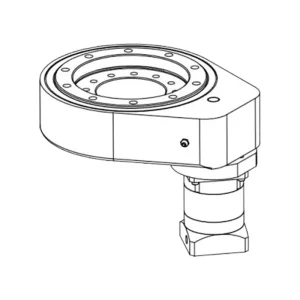
Engineered for extreme structural loads, precise gear engagements, and reliable tracking accuracy
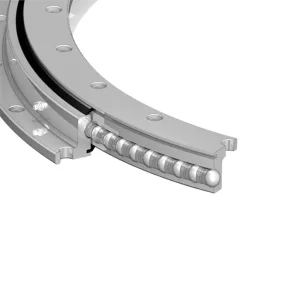
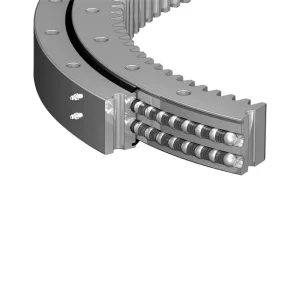
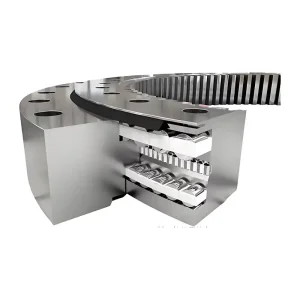
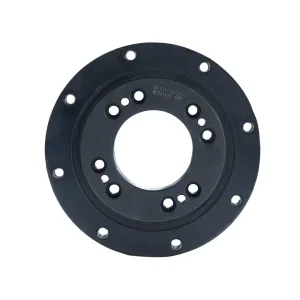
In the global transition toward decarbonized base-load electricity, Concentrated Solar Power (CSP) represents a vital technology. Unlike photovoltaic (PV) setups, CSP systems use mirrors—heliostats, parabolic troughs, or linear Fresnel reflectors—to direct solar radiation onto a receiver. This thermal energy is stored in molten salts or other media, driving steam turbines to generate grid-stable electricity. Because the thermal efficiency of a CSP facility depends on optical concentration ratios, precision tracking of the sun is essential. The solar tracking hardware relies on specialized heavy-duty bearings and horizontal rotary drives designed to withstand severe overturning moments and deliver sub-milliradian positioning accuracy.
Early-generation solar tracking systems struggled with mechanical backlash, structural wind loading failures, and seal degradation in harsh desert locations. As CSP designs scaled from 50MW installations to massive 100MW+ solar towers, the engineering requirements for structural slewing gears increased. Current systems require:
Global procurement managers and EPC (Engineering, Procurement, Construction) contractors look for key specifications when sourcing from CSP power suppliers and factories. Because CSP plants are located in regions with high direct normal irradiation (DNI) like the Sahara Desert, the Atacama Desert, the Mojave, and Western China, the hardware must perform reliably under demanding conditions.
Ingress Protection and Seal Integrity: High winds carry abrasive sand particles. Standard rubber gaskets degrade rapidly under intense UV radiation. Modern suppliers must design specialized, multi-lip polyurethane seals that prevent particulates from entering the ball path while retaining low-viscosity greases.
Advanced Anti-Corrosion (C5-M Class): CSP tracking mechanisms must resist moisture, salt fog, and chemical exposure in saline desert basins. Thermal spray zinc coatings, high-build epoxy primers, and polyurethane topcoats are standard specifications to prevent rust and surface pitting over a 25-year design life.
Metallurgical Certification: The tracking component is safety-critical. Micro-cracking in the raw steel under stress can lead to failure. Leading factories provide full material traceability reports detailing steel grades (e.g., 50Mn, 42CrMo), hardening depths, and non-destructive ultrasonic testing results.

Established in 2022 and situated in Huangtu Town, Jiangyin City, Jiangsu Province, Jiangsu Manchen Transmission Technology Co., Ltd. is a modern manufacturing enterprise integrating design, research and development, manufacturing, and sales. Benefiting from a prime industrial location, the factory utilizes advanced equipment, expert heat treatment processes, and precise finishing techniques.
Manchen provides high-strength, durable transmission solutions designed for construction machinery, medical systems, smart logistics, industrial robotics, and photovoltaic/CSP solar tracking installations. The factory's comprehensive quality control system ensures full traceability from raw steel selection to final product delivery.
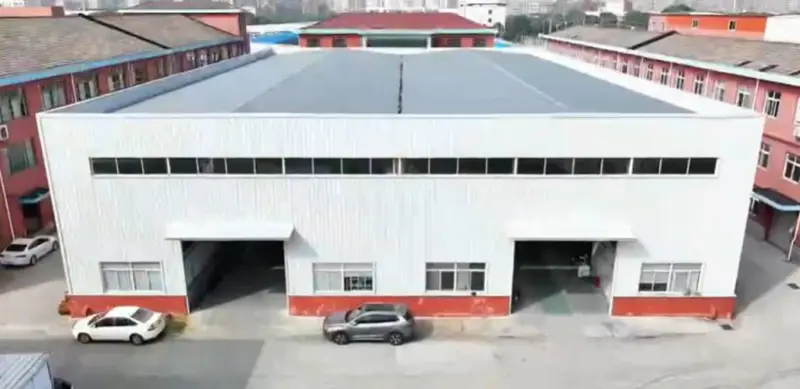
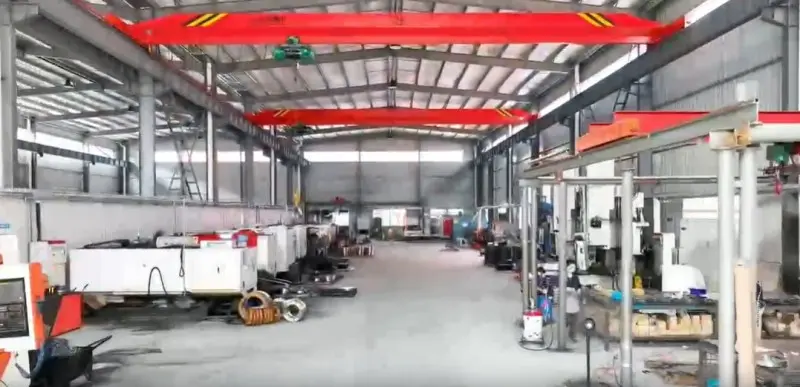
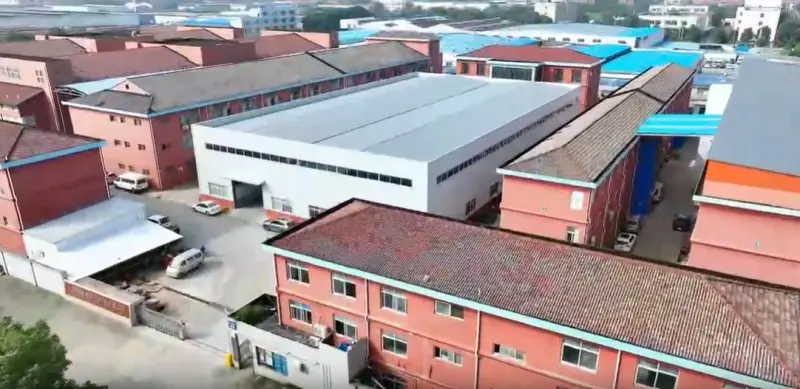
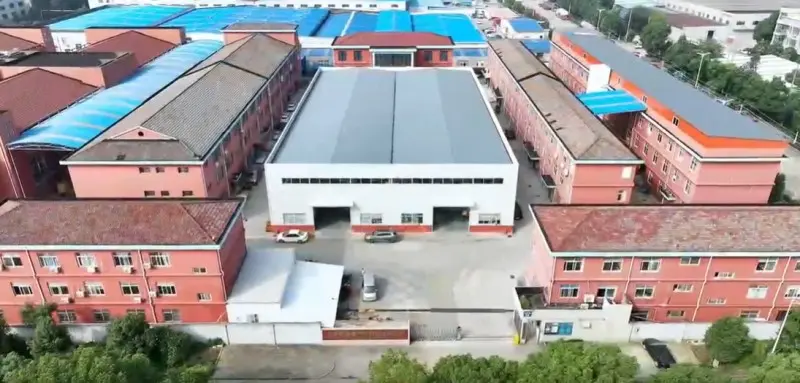
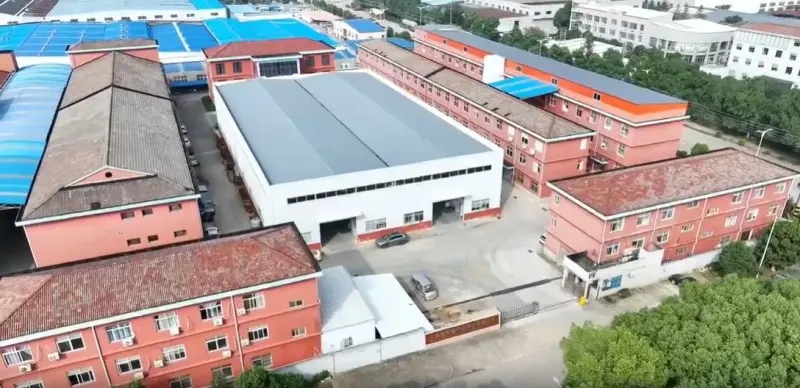
How Jiangsu Manchen integrates precise manufacturing stages to ensure structural integrity and long-term durability










Ensuring compliance with global engineering standards through robust quality systems and verified testing

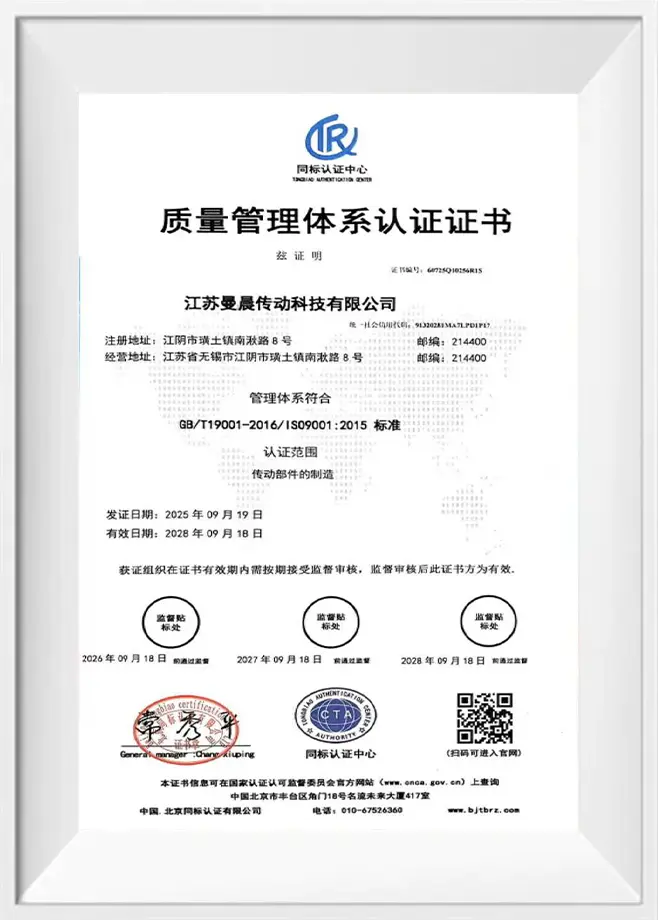
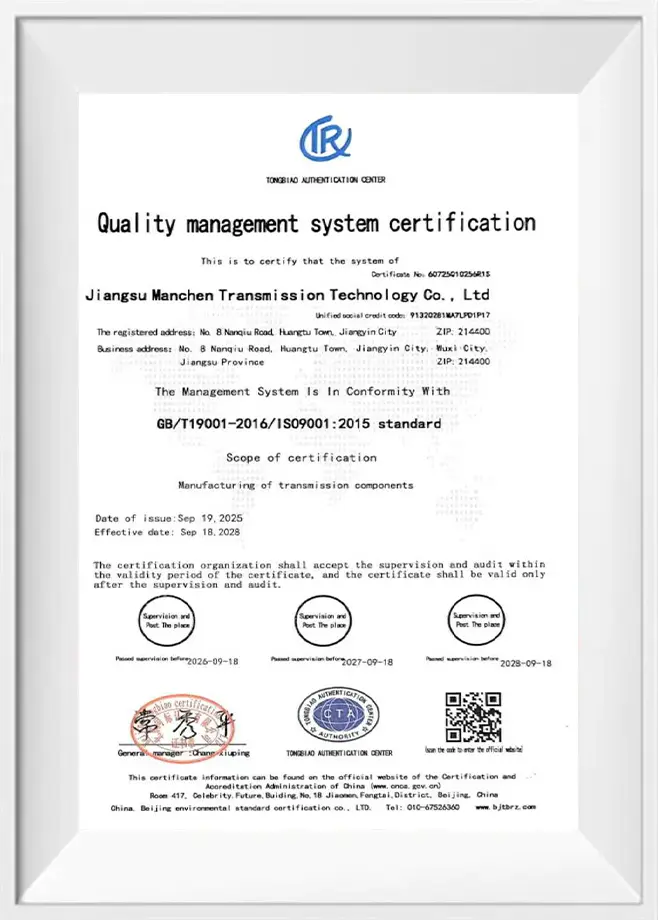
Our quality philosophy focuses on "quality first, mutual cooperation, and win-win relationships." The factory utilizes coordinate measuring machines (CMMs), magnetic particle flaw detectors, ultrasonic thickness testers, and hardness testing equipment. This ensures every single-row ball, cross-roller, or three-row roller bearing complies with international standards.
Deploying precision slewing drives across diverse demanding environments
Ensuring steady rotation for dual-axis trackers and massive tower heliostats. These systems withstand dynamic wind loads while keeping angular deviation under 0.05 degrees.
Providing high overturning moment resistance for harbor cranes, truck-mounted cranes, and excavators. The three-row roller bearing design handles extreme radial and axial forces.
Enabling precise positioning in hollow rotary platforms and automated warehouse AGVs. This compact gear layout provides backlash-free rotation for high-duty cycles.
As modern utility-scale CSP installations seek to lower the Levelized Cost of Electricity (LCOE), designers are opting for larger reflectors. Expanding a mirror's surface area increases wind loads exponentially. Consequently, solar tracking structures require larger diameter slewing gears. This trend has led to key innovations:
Industrial clients face fluctuating global shipping schedules and material costs, making supplier dependability critical. Jiangsu Manchen addresses these challenges through raw material partnerships and internal manufacturing capability:
Customized Engineering: Manchen offers custom engineering designs to meet specific application requirements. Whether adapting mounting hole configurations, adjusting tooth profiles, or optimizing internal clearance, our design teams use 3D modeling and FEA (Finite Element Analysis) to evaluate load distribution before production begins.
Reliable Material Sourcing: By maintaining strategic reserves of forging steels (such as 50Mn and 42CrMo), Manchen minimizes production delays. The factory controls the manufacturing process in-house, including forging, roughing, heat treatment, induction hardening, tooth cutting, and grinding. This vertical integration keeps production timelines predictable and stable.
Global Logistics Support: Located near major shipping ports in the Yangtze River Delta, the factory offers fast transit times to international destinations. All bearings are coated in protective rust-preventative oil, wrapped in moisture-resistant plastic membranes, and shipped in reinforced wooden crates to ensure they arrive undamaged.
Answers to common technical, design, and sourcing questions about solar tracking bearings
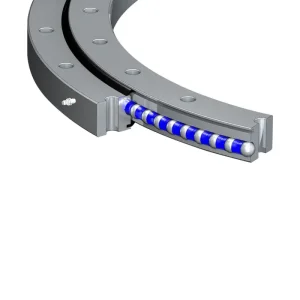
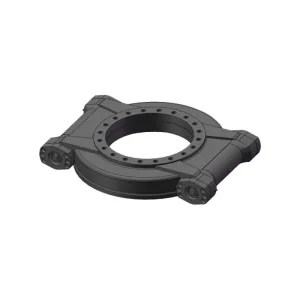
High-efficiency single-row ball bearings, cross-roller rotary supports, and horizontal drive assemblies
 Manchen Transmission