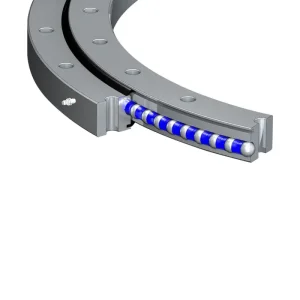
Explore our industrial-grade slewing drives, double-row ball swivel bearings, and precision-engineered gear systems designed to support high-efficiency concentrated photovoltaic dual-axis tracking networks.
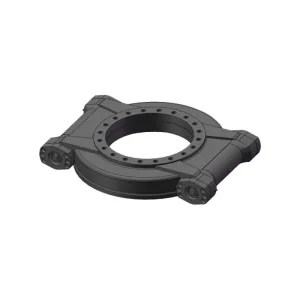
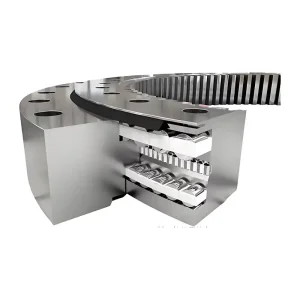
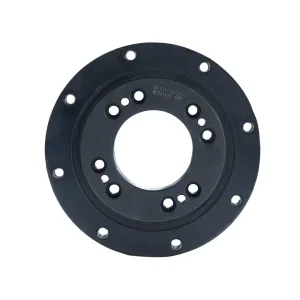
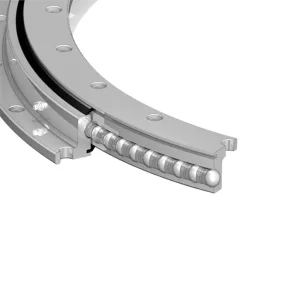
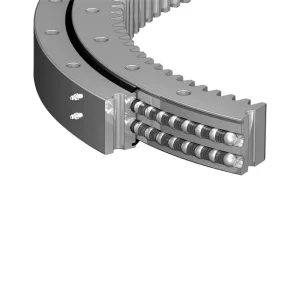
Understanding the Macro-Economic and Technical Drivers Behind HCPV and Precision Dual-Axis Solar Tracking Projects.
The global transition toward carbon neutrality demands energy generation systems with significantly higher conversion efficiencies and lower Levelized Costs of Energy (LCOE) compared to conventional flat-plate silicon photovoltaics. Concentrated Photovoltaic (CPV) systems, particularly High-Concentration Photovoltaic (HCPV) systems, represent a technological peak in solar engineering. By utilizing optical devices such as Fresnel lenses or curved mirrors, CPV systems concentrate direct solar radiation onto exceptionally small, high-efficiency multi-junction solar cells (often manufactured from III-V compound semiconductor materials like gallium arsenide, GaAs). These cells are capable of converting over 40% of captured sunlight into usable electrical energy, far exceeding the 18% to 23% thermodynamic limits of conventional monocrystalline silicon cells.
However, the physics of CPV systems impose a strict engineering constraint: they only harvest Direct Normal Irradiance (DNI). Unlike traditional panels that can utilize diffuse light on cloudy days, CPV systems require absolute alignment with the sun’s rays throughout the day. Even a minor tracking misalignment of 0.1 to 0.5 degrees can lead to a catastrophic drop in power output, rendering the system economically unviable. Consequently, the performance, longevity, and return on investment (ROI) of a CPV power station depend fundamentally on the mechanical tracking subsystem. This tracking architecture must possess high torsional stiffness, minimal backlash, and robust structural integrity under severe environmental loads.
At the core of these dual-axis tracking solutions are precision-engineered horizontal rotary drive units, slewing bearings, and cross-roller swivel bearings. These heavy-duty assemblies provide the necessary structural rotation for the azimuth and elevation axes. By ensuring smooth, microscopic angular adjustments over a service life spanning more than 25 years, these components enable Concentrated PV systems to maximize yield and lower operational costs in high-DNI regions like the Southwestern United States, Northern Africa, the Middle East, and Western Australia.
Delivering Heavy-Duty Transmission Components and Precision Rotary Mechanisms for Global Solar and Robotic Infrastructure.

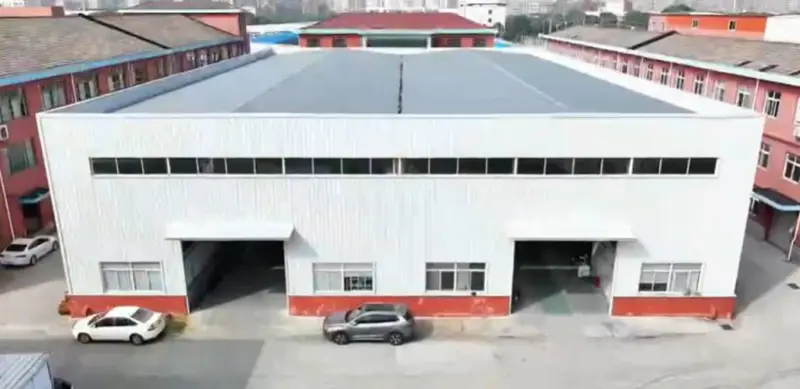
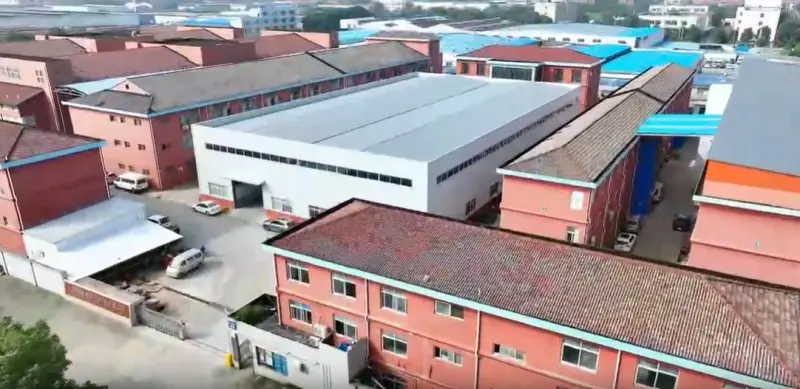
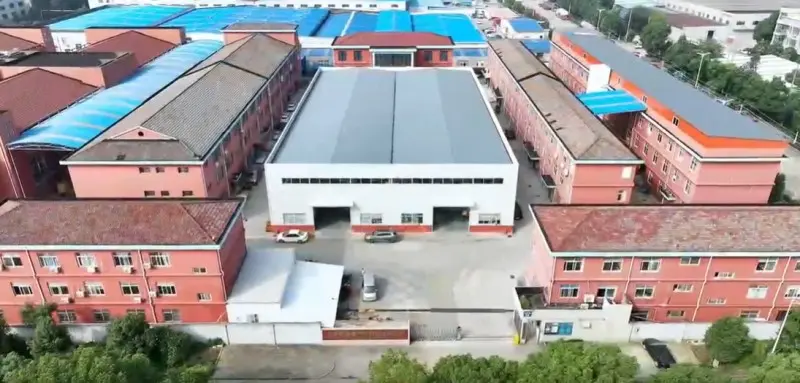
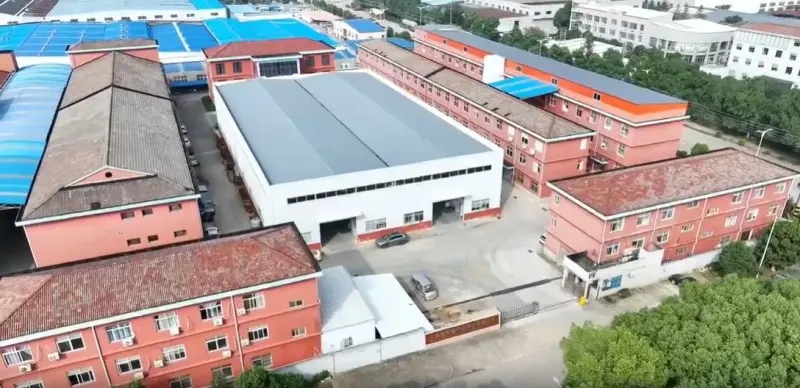
Established in 2022, Jiangsu Manchen Transmission Technology Co., Ltd. is a premier manufacturing enterprise integrating professional engineering design, advanced research and development, custom manufacturing, and global sales distribution. Located in Huangtu Town, Jiangyin City, Jiangsu Province, China, the company benefits from a highly integrated industrial ecosystem and convenient logistics networks connecting it to major international shipping hubs.
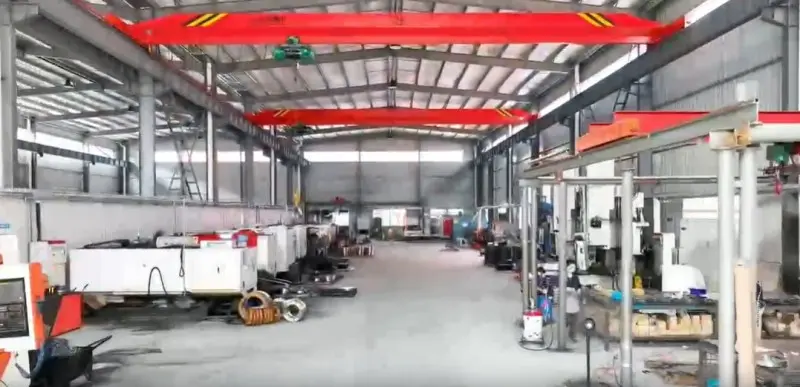
Relying on state-of-the-art forging lines, custom heat-treatment facilities, and high-precision CNC machining equipment, Jiangsu Manchen provides high-load-bearing, high-strength, and long-life transmission solutions. These systems are optimized for challenging applications, including solar photovoltaic tracking (CPV, HCPV, and standard utility-scale trackers), construction machinery, medical equipment, intelligent warehousing, port machinery, industrial robotics, and environmental protection hardware.
Market Trends, Geographic Feasibility, and the Mechanics Supporting Utility-Scale CPV Power Plants.
Unlike standard silicon flat-panel systems that can be installed on rooftops globally, CPV technology is commercially optimized for regions with high Direct Normal Irradiance (DNI). These zones typically fall within latitudinal belts between 15° and 40° north and south of the equator. The commercial viability of a CPV deployment relies on three pillars: cell efficiency, optical concentration factor, and dual-axis mechanical precision. Because CPV modules use relatively small amounts of active semiconductor materials (multi-junction cells), the cost profile shifts from the raw materials of the cells themselves to the structures that concentrate light onto them: glass lenses, mirrors, support frames, and dual-axis tracking gearboxes.
Industrially, this has triggered a strong demand for durable, heavy-duty tracking components. High-concentration photovoltaic modules act as giant sails, exposing them to significant wind loads. The structural bearings must withstand both axial and radial forces, as well as high tilting moments under extreme conditions. For example, during high-velocity wind events, a CPV tracker must stow its panels horizontally to minimize structural stress. The horizontal rotary drive and vertical slewing drives must withstand these massive wind loads without sufferering tooth breakage or plastic deformation of the raceways.
Concentrating solar radiation from 500x to 1000x requires multi-junction solar cells to be aligned with absolute focus. This places strict mechanical limits on our dual-axis trackers.
Our external and internal gear horizontal rotary drives feature minimal backlash, resisting wind vibrations and maintaining structural alignment.
Sealed bearing designs prevent ingress from sand, dust, and moisture, ensuring reliable service in harsh desert environments worldwide.
Delivering high-reliability, customized transmission components through a strict 10-step quality control workflow.










Our OEM and ODM development cycle relies on advanced metallurgical control and high-precision tooling. We partner with operators and system designers to customize slewing drives and bearings for their specific tracker configurations:
Underpinned by rigorous verification systems that ensure component traceability and compliance with global engineering standards.
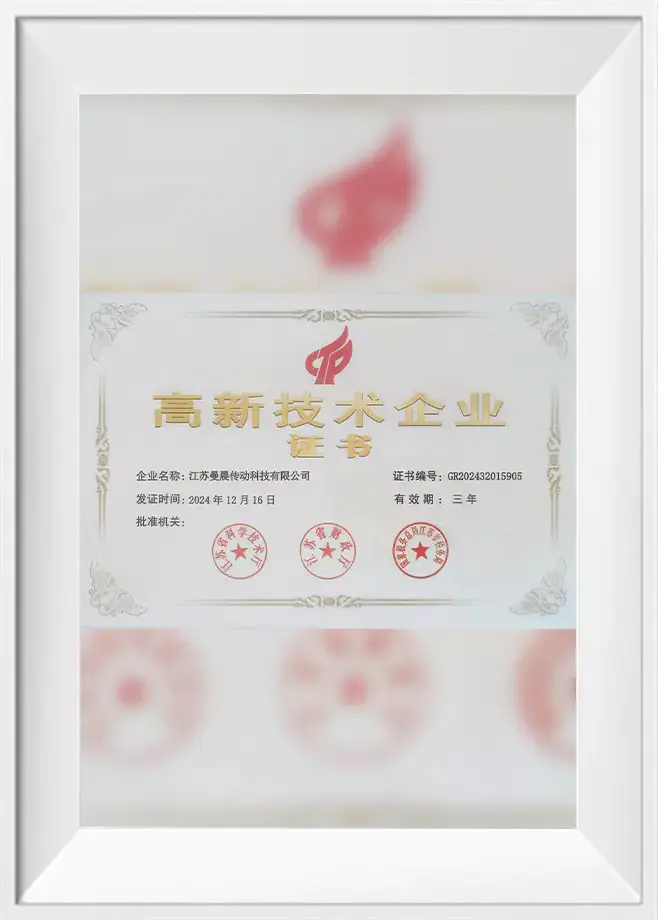
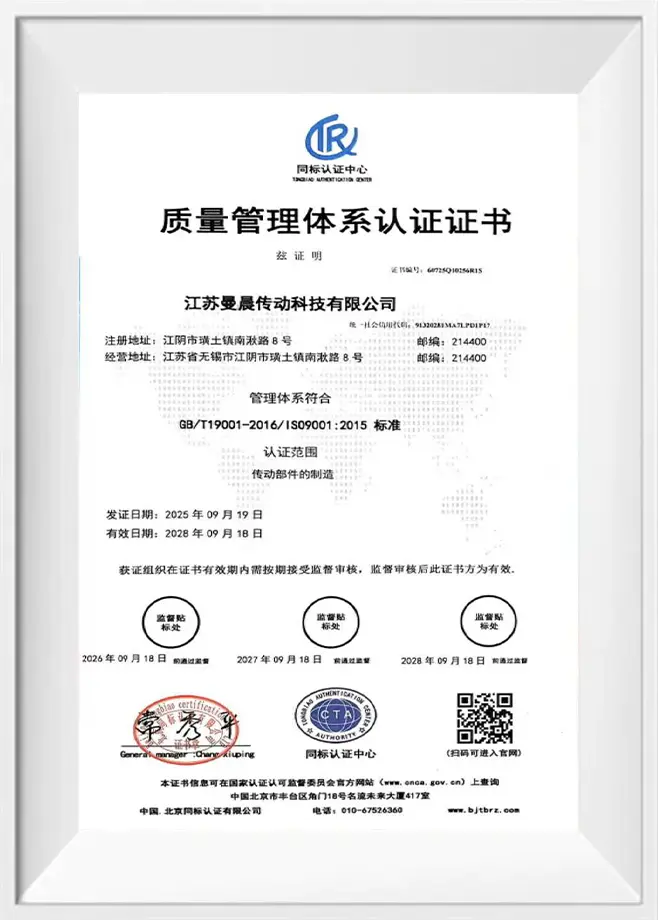
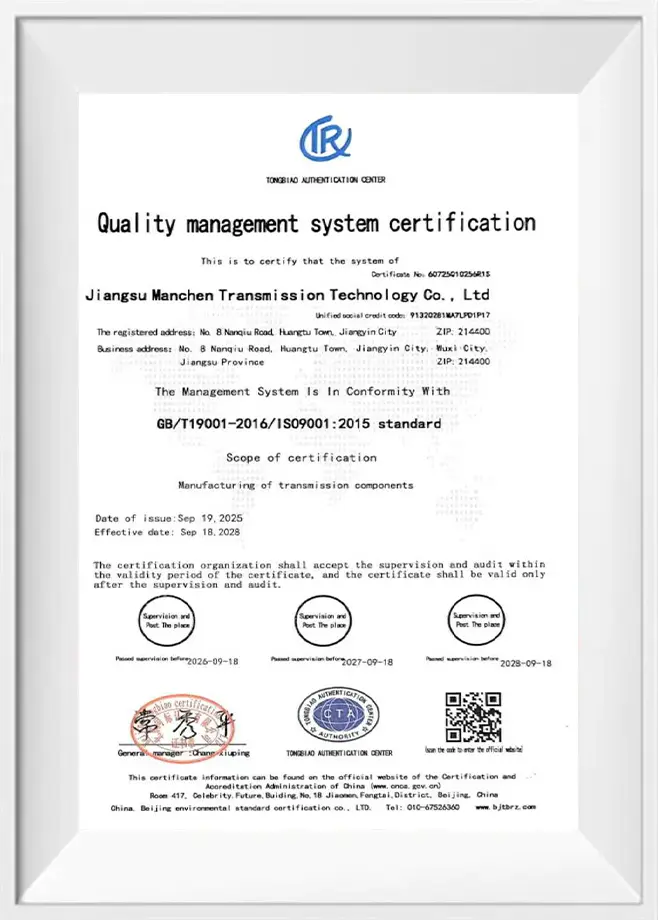
At Jiangsu Manchen Transmission Technology Co., Ltd., quality control is integrated into every stage of production. From raw material inspection to non-destructive testing (NDT), ultrasonic crack detection, and coordinate measuring machine (CMM) verification, every step is documented. Our tracking and rotary products are certified to meet international structural, environmental, and metallurgical standards. This ensures they can operate reliably in harsh outdoor conditions for decades, satisfying the warranties required by utility-scale solar projects.
Developing next-generation slewing drives and bearings for high-concentration multi-junction solar trackers.
As CPV technology approaches concentration ratios of 1000x and beyond, tracker accuracy demands will intensify. Our engineering team is focusing on several key technical areas to meet these evolving requirements:
Integrated Smart Sensors: We are developing real-time angular monitoring and load-sensing capabilities directly within our slewing bearings. These systems will allow dual-axis solar trackers to automatically adjust to wind gusts and mechanical wear, maintaining optimal alignment with the sun.
Advanced Tribological Lubricants: Extreme temperature fluctuations in desert regions can degrade traditional greases. We are developing synthetic lubricants that maintain consistent viscosity from -40°C to +70°C, extending maintenance intervals and preserving drive efficiency.
Optimized Multi-Row Roller Geometry: To support larger, high-efficiency solar arrays, we are refining our multi-row roller slewing bearings to handle higher dynamic and static loads. This allows operators to scale up tracker dimensions while maintaining structural integrity.
Partner with Jiangsu Manchen to design and manufacture reliable, high-precision slewing drives and bearings for your solar tracking projects.
Answering key technical questions regarding the design, operation, and maintenance of rotary drives in solar tracking systems.
CPV systems concentrate direct solar radiation onto small, high-efficiency multi-junction cells using optical lenses or mirrors. Because these optical systems only concentrate direct sunlight (Direct Normal Irradiance), the solar array must remain perpendicular to the sun throughout the day. Dual-axis tracking enables the precise alignment necessary to maintain power output.
Backlash is the play or clearance between mating gear teeth. In solar tracking applications, excess backlash can cause the solar panel array to wobble under wind loads, leading to tracking errors. Our slewing drives are designed with minimal backlash to maintain targeting accuracy and protect internal gear teeth from impact loads.
We typically use medium-carbon alloy steels like 42CrMo or 50Mn. The bearing raceways undergo localized induction hardening to achieve a surface hardness of 55–62 HRC, which provides excellent wear resistance while preserving the structural toughness of the core.
Our slewing drives and bearings are equipped with high-performance elastomeric seals (such as NBR or polyurethane) to prevent dust, sand, and water ingress. We also apply specialized anti-corrosion coatings to protect exposed metal surfaces in harsh outdoor environments.
Browse our complete catalog of internal and external gear slewing rings, cross-roller bearings, and custom drive components for utility-scale applications.
 Manchen Transmission