Explore our high-capacity dual row and specialized single/triple-row rotational bearings engineered to handle high axial, radial, and tilting moment loads.

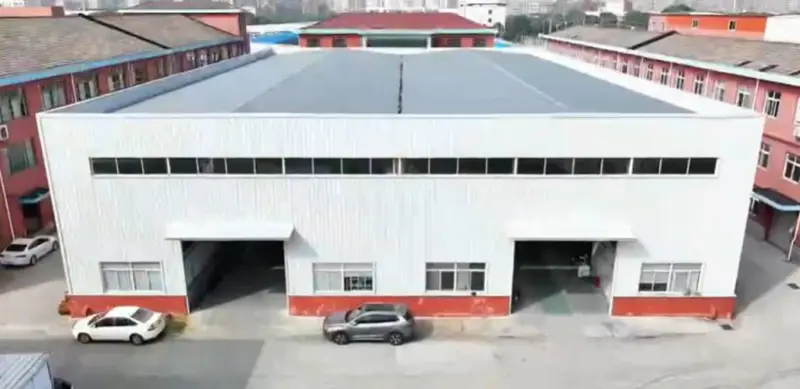
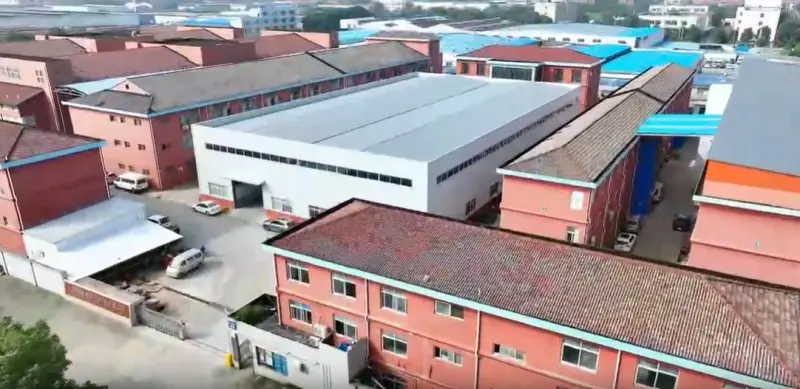
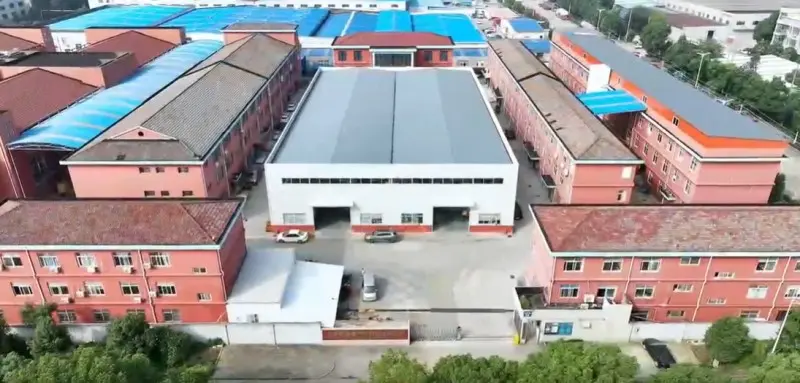
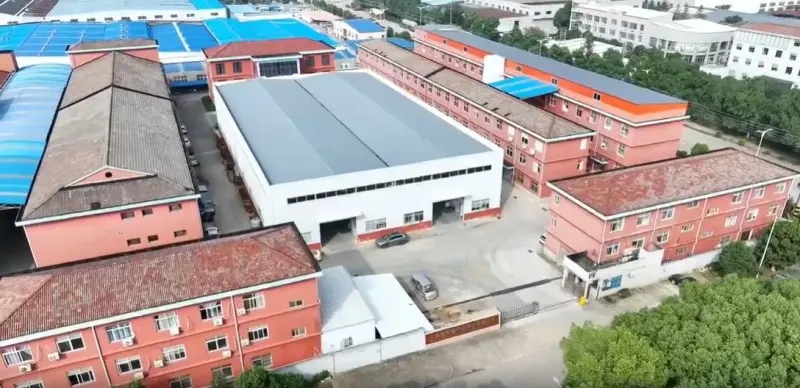
Jiangsu Manchen Transmission Technology Co., Ltd. was established in 2022. It is a professional manufacturing enterprise integrating design, research and development, manufacturing, and global sales. Strategically situated in Huangtu Town, Jiangyin City, Jiangsu Province, our facility benefits from exceptionally convenient logistical infrastructure connected to major deepwater ports and high-speed transit networks.
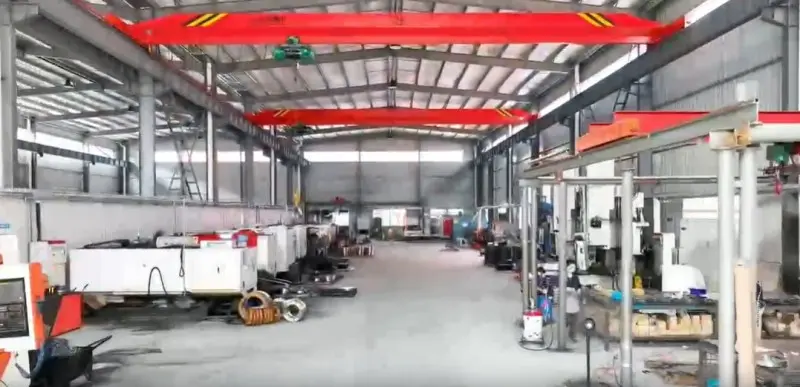
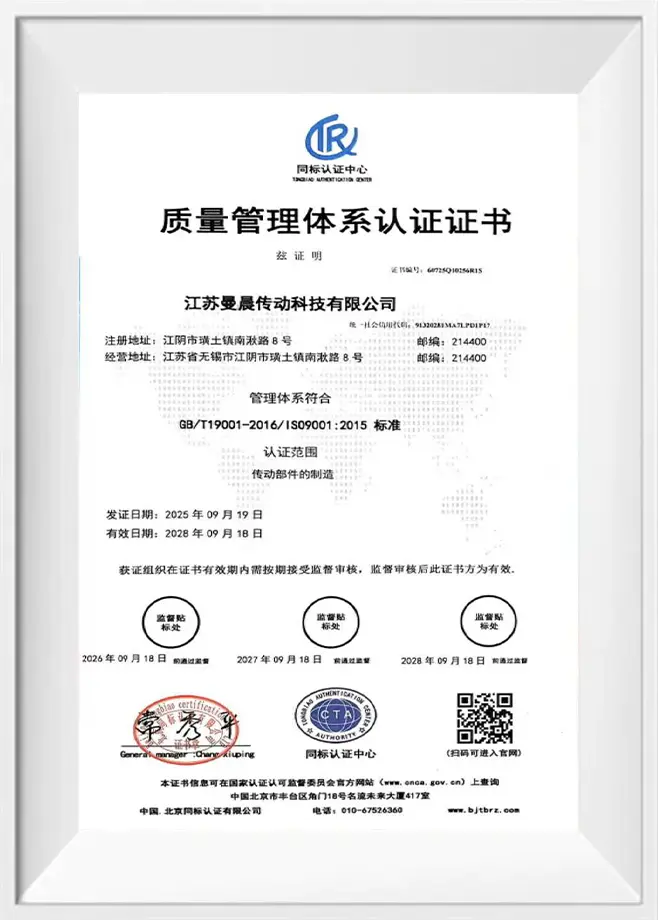
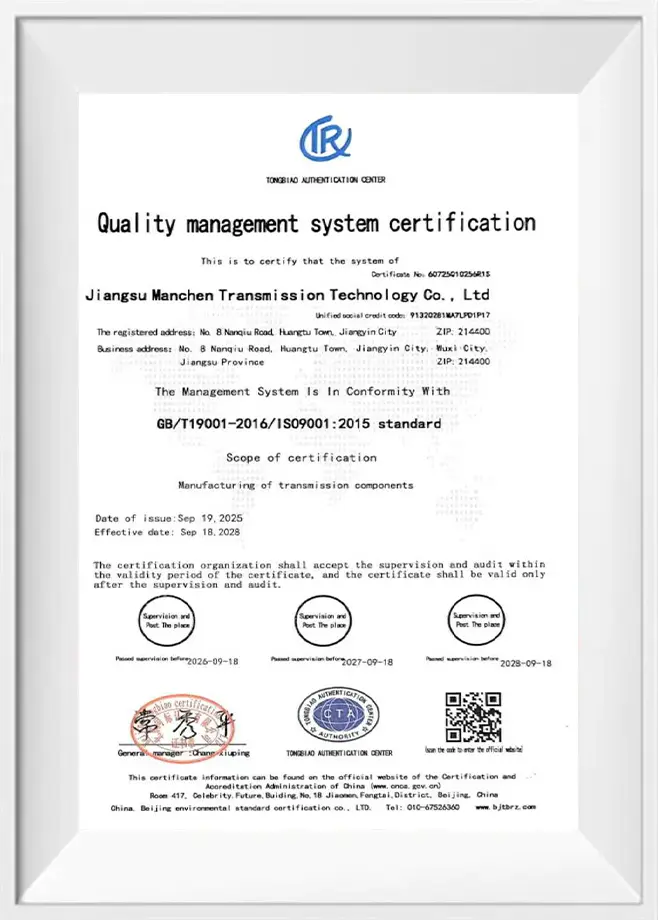
Operating under rigorous quality control and mature technical conditions, our factory utilizes advanced manufacturing systems. Relying on exquisite forging, heat treatment, and precision structural processing techniques, we deliver high-load-bearing, high-strength, and long-life transmission solutions. These solutions support heavy machinery, medical diagnostic systems, automated intelligent warehousing, solar tracking systems, port machinery, industrial robotics, and environmental protection plants. Our products meet both domestic and international standards, ensuring comprehensive traceability from raw material selection to delivery.
Double-row slewing bearings stand at the intersection of structural efficiency and high mechanical loading capacity. In modern industrial machinery, rotational components must frequently handle complex load patterns. While single-row ball bearings perform well in light-to-medium radial applications, they struggle to balance high tilting moments and axial pressures without significant increases in diameter. Double-row equal-diameter and unequal-diameter four-point contact ball configurations solve this engineering bottleneck by distributing load vectors across two separate rows of rolling elements.
Historically, heavy-duty rotating applications relied on massive single-row configurations or extremely bulky three-row cylindrical roller systems. Global industrial trends, however, demand structural lightweighting and smaller profiles. The double-row bearing design provides a balanced middle-ground: a compact profile that approaches the axial dynamic load-carrying limit of three-row roller configurations at a lower cost.
In the global supply chain, manufacturers who integrate forging, heat treatment, and precision finishing are best positioned to serve critical high-demand regions. Infrastructure modernization, renewable energy expansion (particularly wind and solar tracking), and the rise of automated maritime ports have accelerated the demand for high-reliability bearings. Organizations like Jiangsu Manchen Transmission Technology Co., Ltd. address this demand by combining local industrial supply chains with international quality standards.
Connecting East Asian production efficiencies with North American, European, and Middle Eastern distribution channels for infrastructural components.
Reducing mechanical envelopes by utilizing two vertical rows of contact balls rather than extending the overall diameter of the bearing housing.
Lower initial investment and reduced maintenance compared to multi-row roller configurations, optimizing capital efficiency.
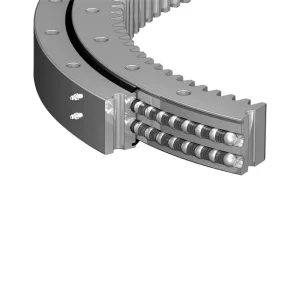
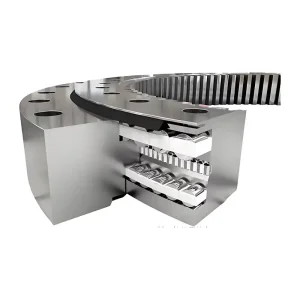
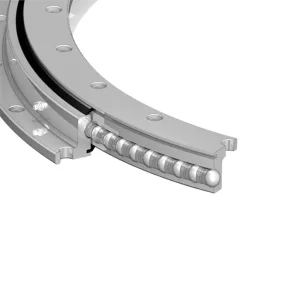
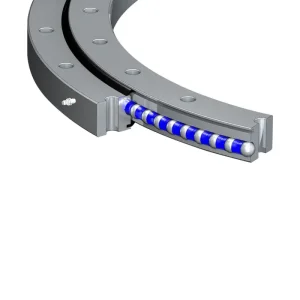
From a mechanical design perspective, double-row four-point contact ball slewing bearings feature three structural rings. The rolling steel balls and spacer assemblies are directly configured into upper and lower raceways. Depending on the external forces expected, the steel balls in the upper row may differ in diameter from those in the lower row (unequal-diameter design), or they may be identical (equal-diameter design).
This design accommodates radial loads, axial loads, and tilting moments simultaneously. The 90-degree load transmission angle in the double-row contact plane ensures that as overturning forces increase, the stress is distributed across both raceways, preventing excessive localized deformation of the ball tracks.
| Bearing Configuration | Axial Load Capacity | Radial Load Capacity | Tilting Moment Resistance | Typical Envelope Size | Friction Torque Output |
|---|---|---|---|---|---|
| Double-Row Equal-Diameter | High | Medium-High | Very High | Medium | Moderate |
| Single-Row Four-Point Contact | Medium | Medium | Medium | Compact | Low |
| Three-Row Cylindrical Roller | Extremely High | High | Extremely High | Large / Heavy | High |
| Cross-Roller Slewing Bearings | Medium-High | High | High | Compact / Thin-walled | Low-Medium |
For gear configurations, we offer three standard options to integrate with various drivetrain systems:
At Jiangsu Manchen Transmission Technology Co., Ltd., quality reliability is built into every stage of production. Below is our comprehensive 10-step process, combining modern metallurgical engineering with rigorous inspection.










Industrial equipment operates under varied geographic and environmental conditions. Our double-row bearings are customized to meet these localized challenges.
Solar trackers require continuous, low-speed rotation and must withstand high wind shear. Our double-row equal-diameter configurations provide the stability needed to prevent wind-induced torsional oscillation.
Marine environments expose components to saltwater spray and high humidity. We utilize specialized surface coatings, corrosion-resistant seal materials, and customized lubricants to extend the lifespan of port cranes and loading terminals.
Automated Guided Vehicles (AGVs) and heavy-duty robotic arms demand high precision and low clearance. Internal gear double-row systems ensure precise positioning under dynamic acceleration.
We provide customized design and technical support tailored to your project requirements, helping partners achieve efficient and stable equipment operation. We prioritize high product quality to safeguard customer interests, maintain strict contract compliance, and offer dedicated after-sales support to ensure reliable operation.

The slewing drive and bearing industry is shifting toward predictive maintenance and real-time health monitoring. The integration of IoT sensors within the bearing ring represents the next stage of development. These embedded sensors monitor temperature spikes, vibration anomalies, and structural load shifts, feeding data directly to predictive maintenance systems. This transition helps operators address wear proactively, preventing unexpected downtime in remote installations such as offshore wind farms or automated mining sites.
In addition, material science advancements continue to improve raw mechanical properties. Through partnership with leading metallurgy labs, Jiangsu Manchen is exploring advanced tempering techniques that increase case hardening depth while preserving core toughness. This refinement improves fatigue resistance under cyclic impact loading, allowing double-row configurations to achieve longer service lifespans under demanding conditions.
Find answers to common engineering questions about double-row slewing bearings, design selection, and maintenance practices.
Equal-diameter configurations utilize identical steel ball sizes in both the upper and lower raceways, balancing symmetric bidirectional axial forces. Unequal-diameter configurations utilize larger steel balls in the upper raceway to support higher downward axial forces, and smaller balls in the lower raceway to manage uplifting forces.
Internal gears are protected within the bearing structure, safeguarding the mesh from debris and saving external radial space. External gears allow easier access for maintenance, pinion alignment, and replacement. Gearless options are ideal for systems driven by friction drives or independent external gearboxes.
We use high-grade structural steels such as 50Mn or 42CrMo, depending on the application's stress requirements. Raceways undergo induction hardening to achieve a hardness of 55–62 HRC, while the core remains tempered to preserve impact toughness and prevent brittle fracture.
Lubrication intervals depend heavily on operating conditions. For standard industrial applications, greasing the raceway every 100 to 200 operating hours is recommended. For marine, high-dust, or high-humidity environments, lubrication should occur every 50 hours or less, ensuring fresh grease purges contaminants from the seals.
We have established long-term cooperative relationships with many well-known domestic enterprises. With stable quality and complete after-sales services, we have won wide recognition in the market. In the future, the company will continue to focus on technological upgrading in the transmission field, and strive to provide global customers with higher-quality and more cost-effective rotary transmission products and services.
Select from our range of horizontal rotary drives, non-toothed cylindrical roller bearings, and custom double-row systems designed for precision actuation.
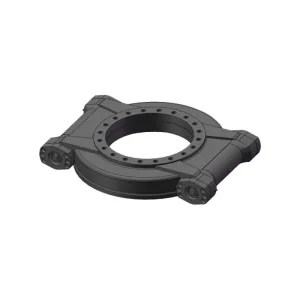
 Manchen Transmission