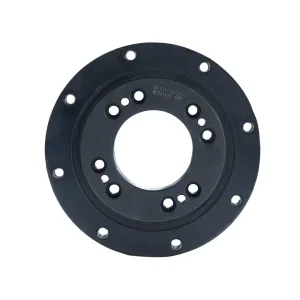
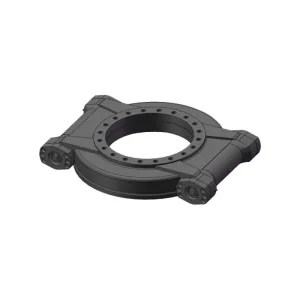
High-capacity rotary components engineered for CSP systems, heavy machinery, and industrial automation assemblies.
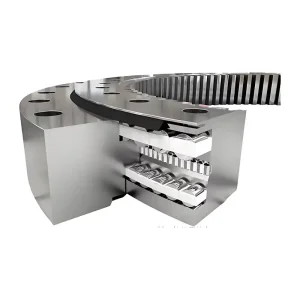
Exploring semantic search parameters for solar thermal infrastructure, engineering benchmarks, and tracking efficiency.
As the global energy transition accelerates towards grid-scale decarbonization, Concentrated Solar Power (CSP) systems have emerged as a critical pillar. Unlike traditional Photovoltaic (PV) systems, CSP leverages mirrors or lenses to focus sunlight onto a receiver. This thermal energy is stored in media like molten salt, facilitating dispatchable power generation long after the sun has set. Central to this utility-scale infrastructure is the mechanical tracking sub-system. Slewing bearings and rotary drives form the structural and operational nexus of heliostats, parabolic troughs, and linear Fresnel reflectors, enabling consistent tracking accuracy in volatile outdoor microclimates.
In high-temperature environments typical of solar corridors (such as the MENA region, Southwest United States, and Western China), the tracking system is subjected to severe operational challenges. Heliostats must maintain angular precision within narrow tolerances (often less than 1 to 2 milliradians) under varying wind loads. This demands exceptional overturning moment resistance, zero-backlash engineering, and robust corrosion defense. Suppliers in the Chinese industrial ecosystem have evolved to fulfill these rigorous requirements, integrating precision metallurgy, advanced induction hardening, and end-to-end product traceability.
Heliostat fields demand dual-axis tracking with high structural rigidity. Slewing bearings must withstand significant static and dynamic tilting moments caused by high wind pressure on the mirrors, while maintaining precise azimuth tracking.
Troughs require single-axis tracking that supports heavy collector loops. Drives must accommodate continuous, high-torque operations over several decades without experiencing structural degradation or severe gear play.
This layout positions flat or slightly curved mirrors close to the ground, reflecting sunlight to elevated absorbers. Tracking components must be compact yet reliable under variable thermal expansion loads.

Established in 2022, Jiangsu Manchen Transmission Technology Co., Ltd. has grown into a highly specialized manufacturing enterprise integrating design, research and development, fabrication, and international sales. Located in Huangtu Town, Jiangyin City, Jiangsu Province, our facility benefits from developed local industrial infrastructure and transport links, facilitating logistics and raw material sourcing.
Relying on state-of-the-art forging, thermal treatment, and CNC precision machining technologies, we produce high-load-bearing, high-strength, and long-life slewing solutions. Our product range serves diverse, demanding fields including construction machinery, medical equipment, intelligent warehousing, the photovoltaic/CSP solar industry, port machinery, industrial robotics, and environmental protection equipment. With a complete traceability system from raw material verification to final delivery, we verify that every component complies with both domestic and international industry standards.
How our integrated 10-step manufacturing methodology optimizes lifecycle performance and component durability.
Modern industrial supply chains demand more than raw manufacturing capacity; they require agility, consistent quality control, and technical optimization. Our manufacturing ecosystem integrates automated CNC machining centers, specialized heat treatment equipment, and ultrasonic testing to verify metallurgical integrity. For international buyers sourcing slewing bearings, tracking down structural defects or geometric variations is critical. By monitoring every production phase, we manage structural issues before they reach the assembly line.










Each step is managed inside our internal quality system. Raw materials undergo spectroscopic chemical analysis and ultrasonic defect detection. Forging refines the grain flow, enhancing structural toughness. Computer-controlled heat treatment applies induction hardening to raceways, which helps prevent premature fatigue failure under continuous cyclic loads. Grinding operations maintain geometric precision, while customized surface treatments (such as zinc-nickel plating or polyurethane paint systems) shield the steel against high-humidity or saline environments.
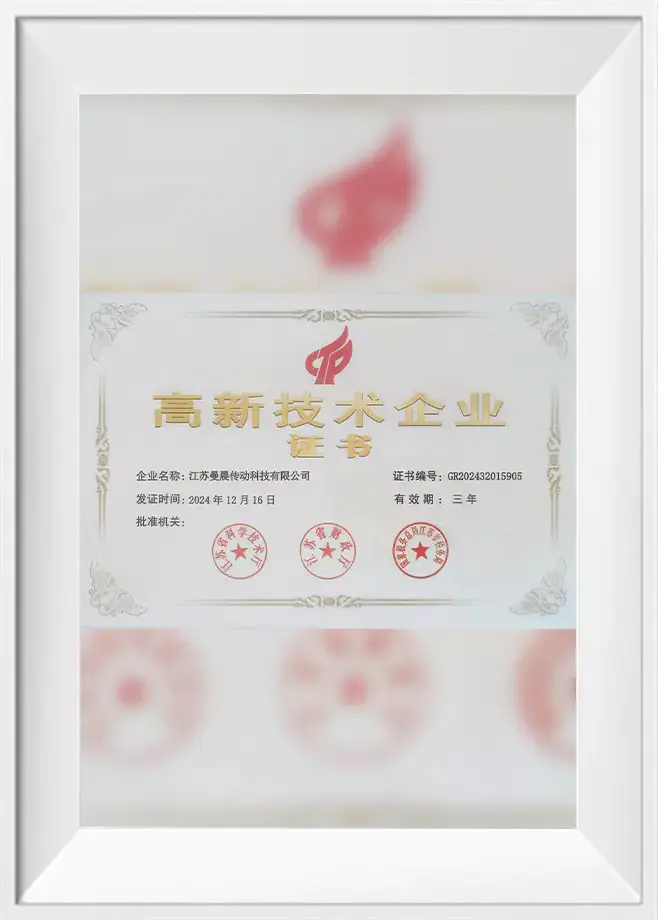
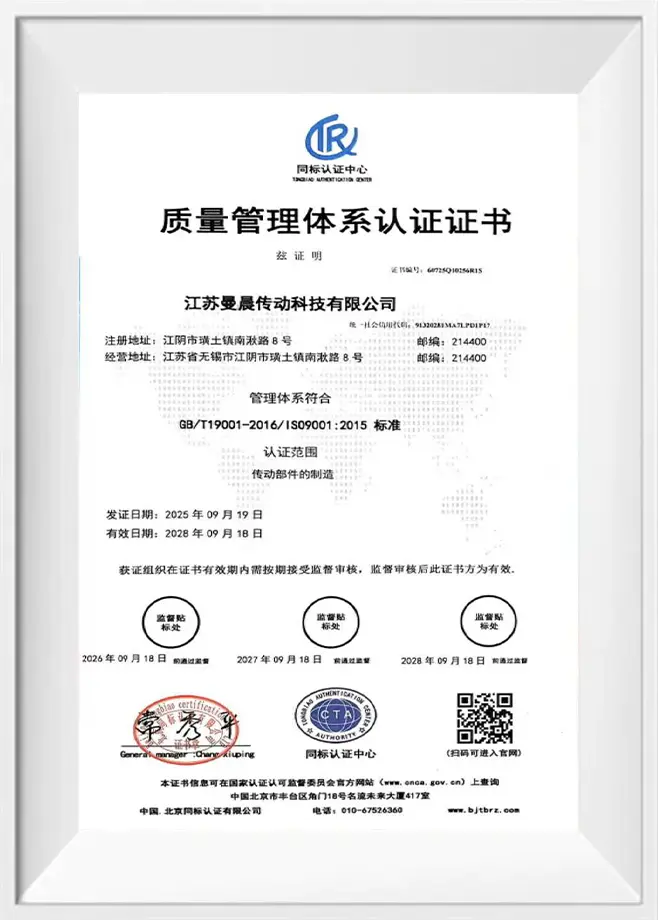
A glimpse inside our production facility and quality management systems.
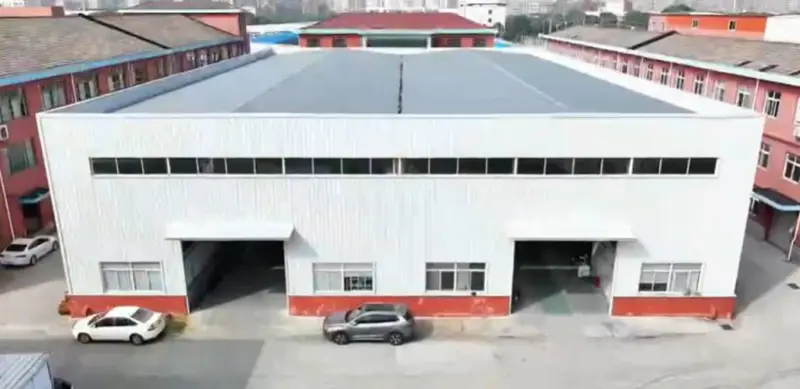
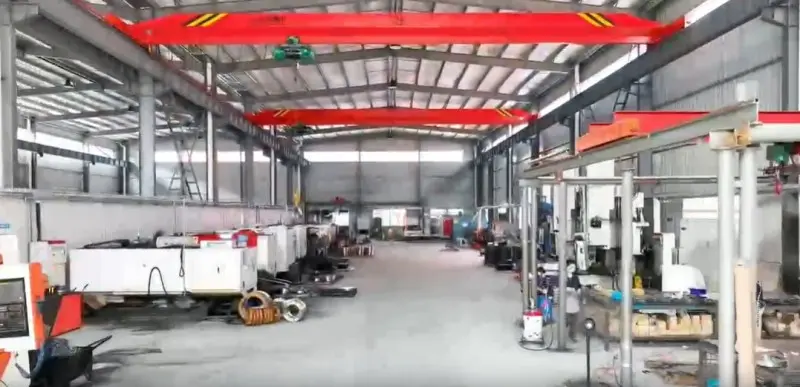
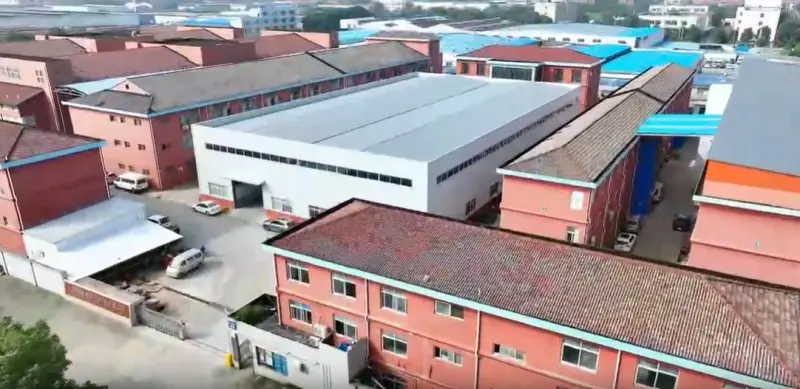
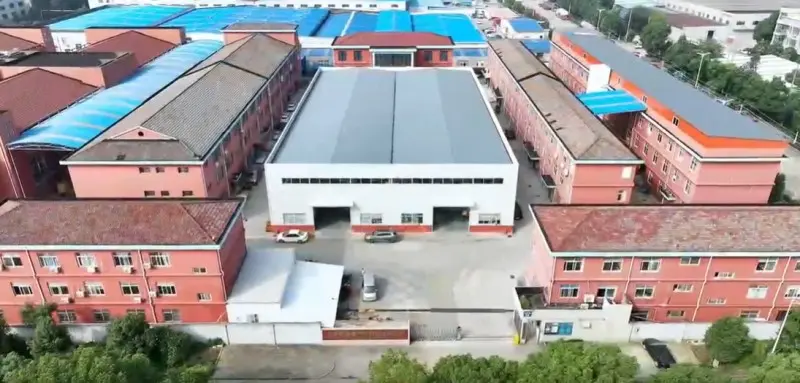
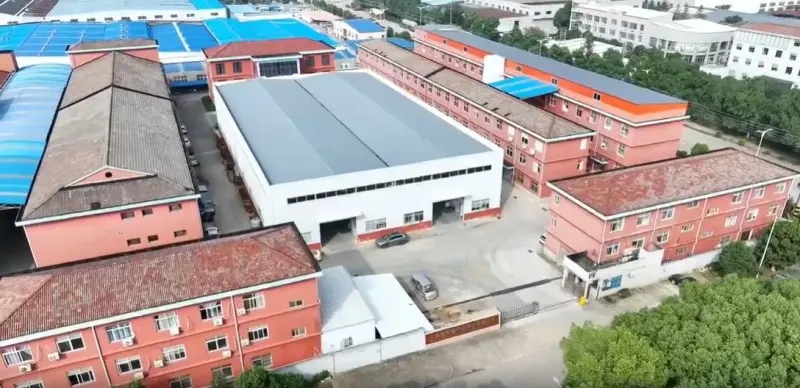
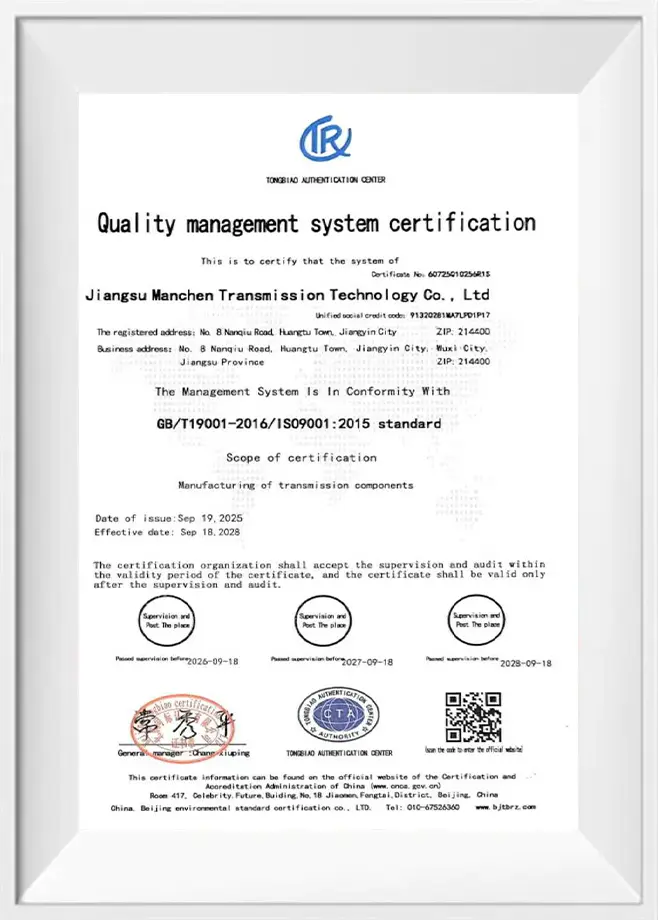
Consistent product quality is verified by third-party certifications. Jiangsu Manchen Transmission adheres to the principle of "quality first, mutual cooperation and win-win", aligning with international industrial standards to maintain manufacturing compliance.
Tailoring slewing bearing parameters to specific torque, environment, and mechanical constraints.
No two CSP utility-scale projects share identical load profiles, mounting arrangements, or operating conditions. Parabolic troughs require long structural shafts with minimal torsional twist, while solar tower heliostats need compact, stiff azimuth-elevation drives. To address these variations, we provide custom design services and technical support to help partners achieve efficient and stable equipment operation.
Our engineering services focus on structural calculation, material selection, and optimization of gear geometry. Whether you need internal, external, or gearless configurations, we adapt dimensions, sealing materials, and lubrication specifications to match project requirements. By focusing on quality and after-sales support, we aim to deliver reliable products that safeguard customer investments and contribute to long-term project viability.
We modify pitch circle diameters, bolt hole patterns, and raceway clearances using FEA modeling to match specific load distributions and tracking demands.
We implement double-lip nitrile rubber seals and specialty greases to protect bearings in desert environments, keeping out abrasive sand and dust.
By optimizing raceway geometry and contact angles, our designs handle high tilting moments, preventing binding or premature wear during high-wind events.
Direct engineering answers regarding structural capacity, maintenance intervals, and manufacturing parameters.
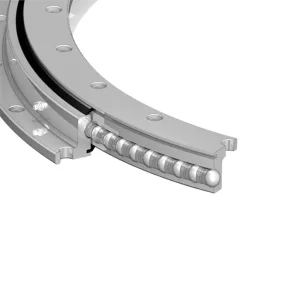
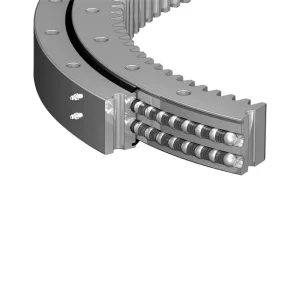
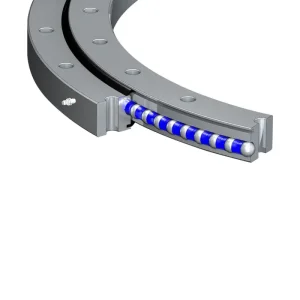
Select options for specialized rotational requirements, featuring integrated gear profiles and multi-row roller structures.
We have established long-term cooperative relationships with many domestic enterprises. With stable quality and complete after-sales services, we have won wide recognition in the market. In the future, the company will continue to focus on technological upgrading in the transmission field, and strive to provide global customers with higher-quality and more cost-effective rotary transmission products and services.
 Manchen Transmission